Liquid AI releases LFM3 tri-hybrid foundation models for specialized multimodal builds
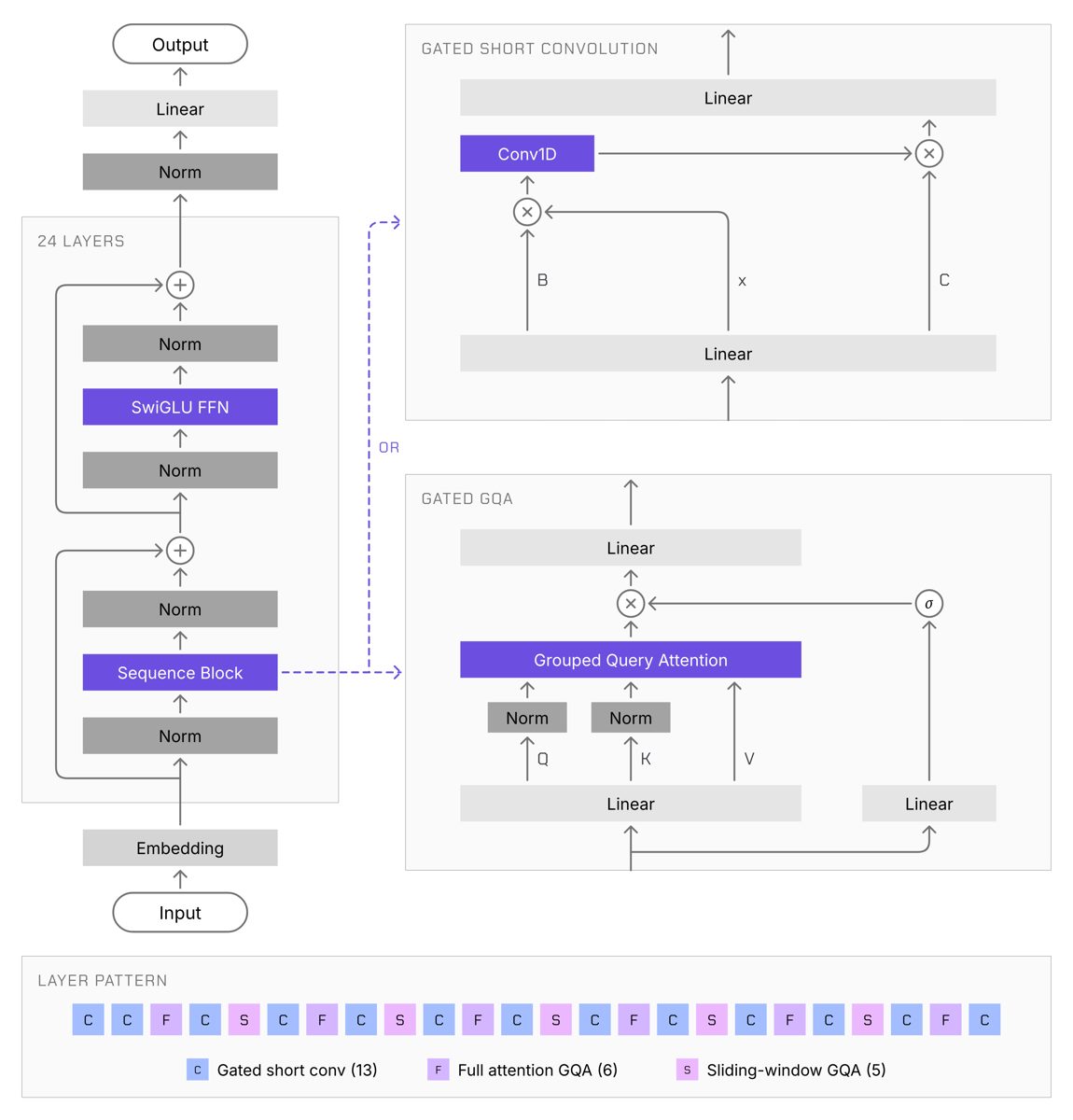
LFM3 is Liquid AI's bid to own the efficient-specialist end of the market. Rather than chasing frontier general capability, the release is pitched as a foundation for developers who want to build specialized multimodal models that run cheaply and, often, on device.
The headline technical change is a tri-hybrid architecture, extending Liquid's earlier non-transformer hybrid designs, plus new multimodal encoders. Liquid has long argued that mixing attention with other sequence-modeling primitives yields better memory and latency profiles than pure transformers at small scales, which matters for edge and latency-sensitive deployments.
The launch fits a clear trend. Exowatt's AWS case study this week reported task-specific fine-tunes beating frontier models at up to 49x lower cost, and Futurum survey data shows enterprises standardizing on smaller open families such as Gemma, Phi and Nemotron in production. LFM3 competes directly for that slot. Hugging Face amplified the release, and the 1,340 reposts suggest strong interest from the open-model community.
Caveats: the blog emphasizes positioning over independent benchmarks, and hybrid architectures sometimes lag on tooling support (quantization, inference servers). Watch for vLLM and llama.cpp support, published evals against Gemma and Qwen small models, and licensing terms for commercial fine-tunes.