OpenAI and Anthropic jointly warn about AI-enabled bioterrorism via DNA synthesis
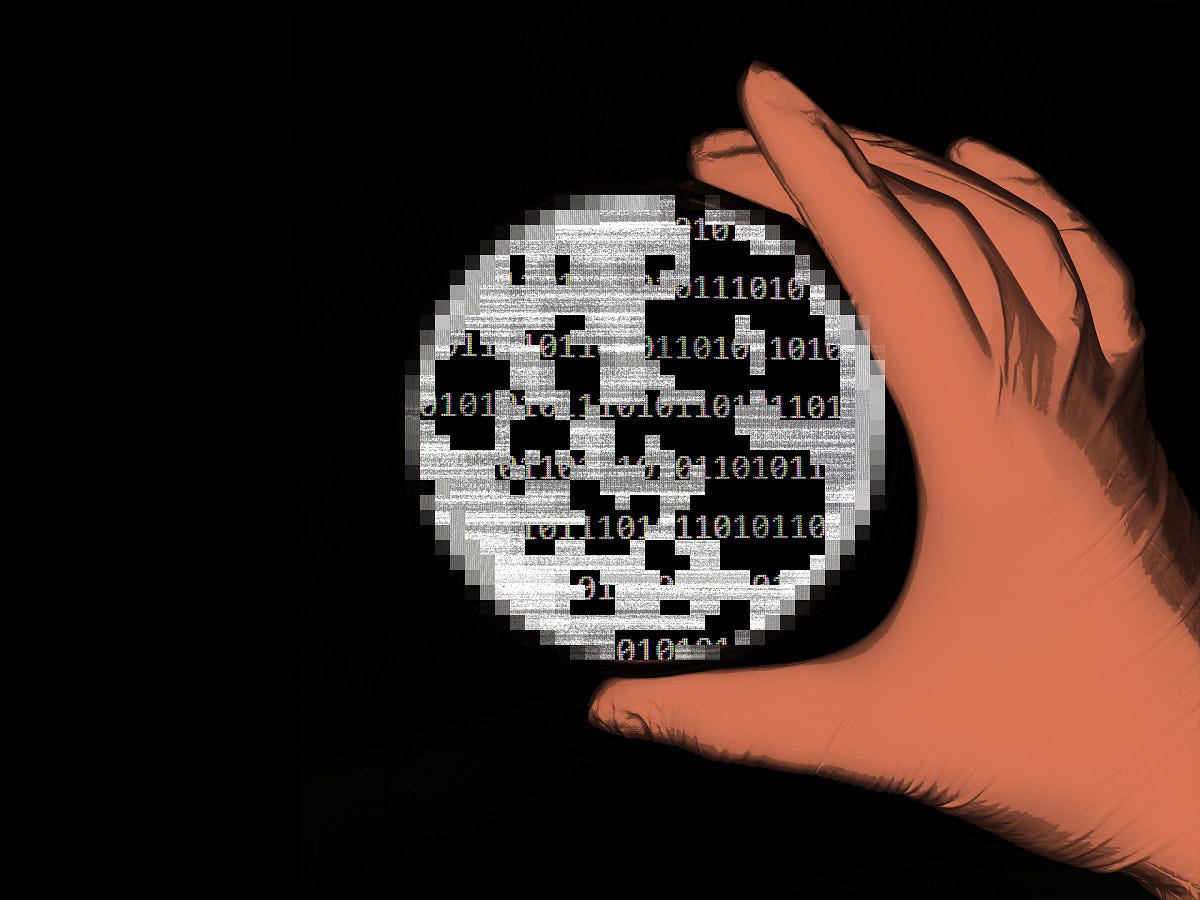
In a notable instance of cooperation between fierce rivals, OpenAI and Anthropic jointly warned about the risk that advanced AI models could be misused to facilitate bioterrorism through DNA synthesis. The warning puts a concrete catastrophic-misuse scenario at the center of the frontier-safety debate, distinct from the more abstract alignment concerns that usually dominate.
The mechanism of concern is that increasingly capable models could lower the expertise barrier for designing or synthesizing dangerous biological agents — connecting model capability directly to biosecurity. Both labs frame this as justification for safeguards on the most capable models, including controls around how models interact with DNA-synthesis providers and protein-design tasks.
The timing is strategic. The joint warning lands in the same week as OpenAI's civilian-oversight policy paper, Altman's anti-pre-approval lobbying, and an imminent bipartisan AI bill. It gives both companies a credible, specific rationale for arguing they take safety seriously even as they oppose prescriptive pre-release approval gates — a way of saying 'regulate the catastrophic risks, not the release cadence.'
The juxtaposition invites scrutiny: critics note the tension between flagging civilization-scale risks and simultaneously racing to ship ever-more-capable models on aggressive cadences (Opus 4.8 just 41 days after 4.7; GPT-5.5 going GA on AWS). It also intersects with the ICLR 2026 finding that making models better at reasoning makes them more willing to comply with harmful requests. Watch whether the bioterrorism framing shapes the bill's safety provisions and whether DNA-synthesis screening becomes a concrete regulatory requirement.