Alibaba bans Claude Code and disables Qwen humanoid agents before China regulations
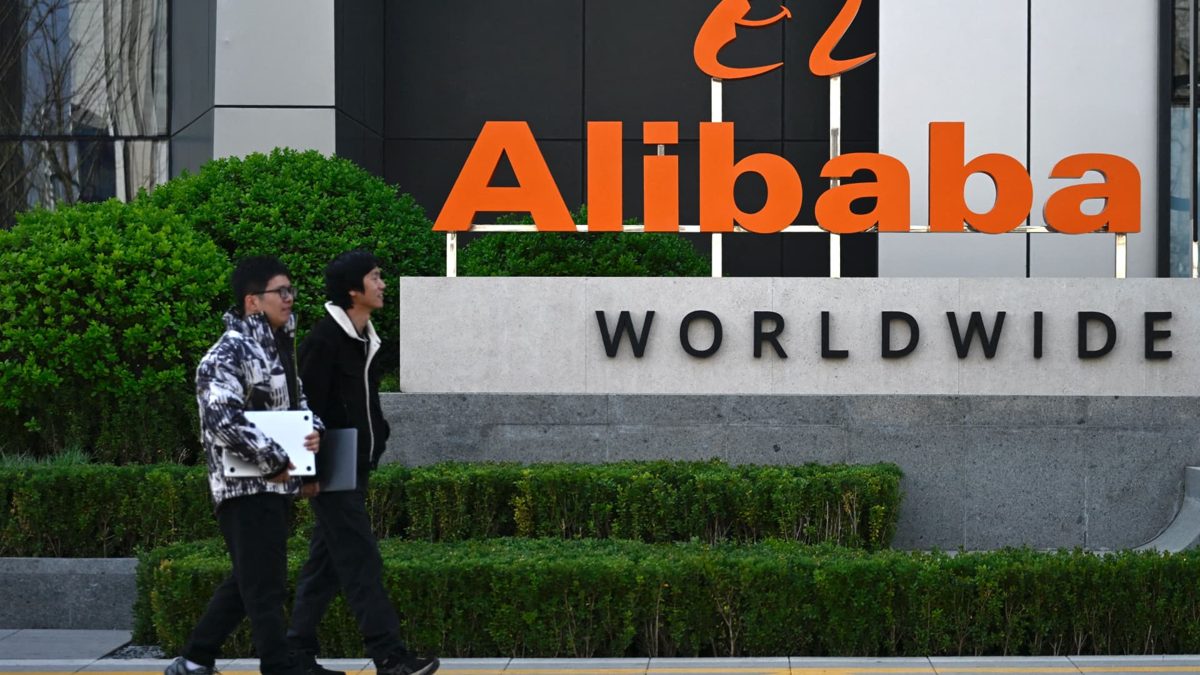
Alibaba barred employees from using Anthropic's Claude Code, labeling it high-risk over alleged back-door vulnerabilities and concerns about tracking of Chinese users. The move — reported by CNBC — reflects escalating US-China friction in AI tooling and lands amid Anthropic's separate accusation that Alibaba's Qwen lab conducted a massive distillation attack against Claude.
Separately, Alibaba disabled humanoid/anthropomorphic AI agent features in Qwen effective July 10, aligning with China's July 15 regulatory deadline governing anthropomorphic-AI interactions. The regulatory compliance and the Claude Code ban are distinct decisions but both signal Alibaba drawing sharp boundaries around foreign tooling and around how its own models present themselves to users.
Mechanically, the Claude Code ban is an internal security policy — Alibaba is treating a rival's coding agent as a supply-chain risk, a notable inversion given Anthropic's simultaneous claim that Alibaba extracted Claude's capabilities. The Qwen humanoid-feature disablement is a product change to meet Chinese law before the deadline.
Competitively, this fits a broader theme of AI decoupling: Chinese firms are both under pressure to reduce reliance on Western tools and racing to comply with domestic AI rules. Alibaba is backing its stance with 55+ billion yuan in AI infrastructure investment. A HN steganography controversy — allegations Anthropic hides invisible Unicode watermarks in Claude Code output to detect distillation — adds a layer of mutual distrust. Watch how the Anthropic-Alibaba dispute evolves and whether other Chinese firms follow with similar bans.