NVIDIA touts Vera Rubin's 'intelligence per dollar' for post-training
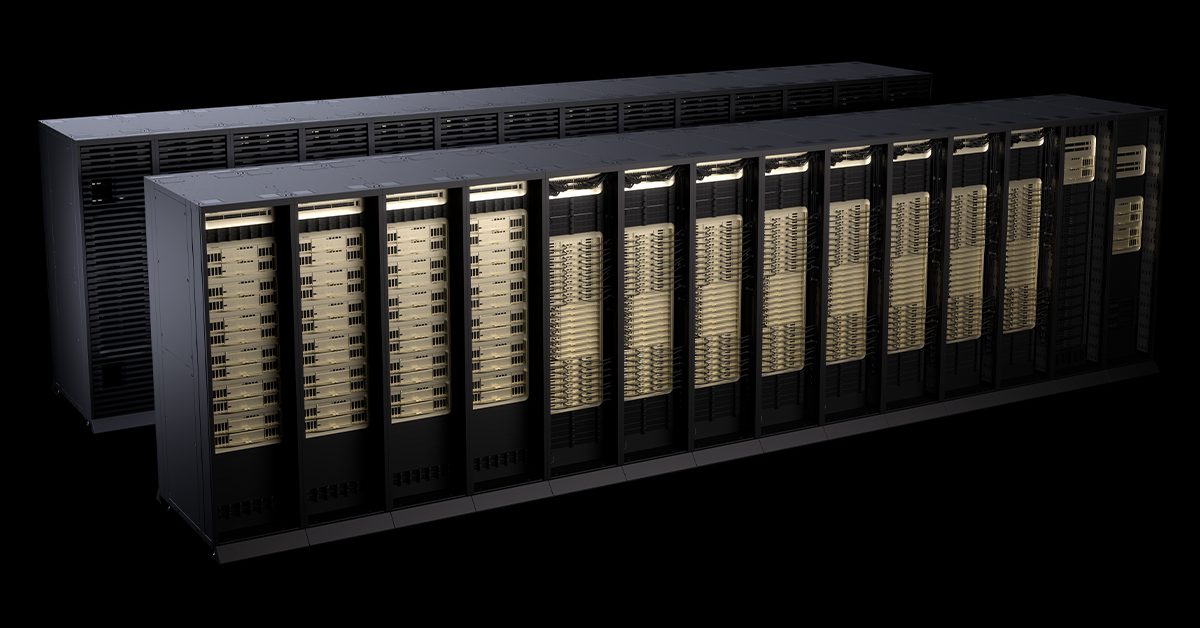
NVIDIA published a technical case for its Vera Rubin platform, arguing it delivers the lowest cost per token through 'extreme codesign' of hardware and software, and elevating 'intelligence per dollar' as the metric that matters for post-training workloads in the agentic AI era. The pitch targets the shift in AI compute demand: as inference and post-training (fine-tuning, RLHF, agent runs) grow relative to pretraining, buyers scrutinize cost efficiency more than peak FLOPS.
The codesign argument is NVIDIA's core moat — tightly integrating CPUs (Vera), GPUs (Rubin), interconnects, and the CUDA software stack to squeeze out cost per token that discrete components can't match. NVIDIA reinforced the theme with Nemotron 3 Embed taking the top two LMEB leaderboard spots and NeMo Automodel scaling diffusion fine-tuning with Hugging Face's Diffusers library.
The timing is defensive. Cerebras is marketing wafer-scale inference speed (Andrew Ng launched a course on it this week), DeepSeek is building its own inference chip to escape NVIDIA dependence, and General Compute reportedly raised a $400M loan collateralized by inference-specific chips — all signs that the inference-hardware market is fragmenting and buyers are hunting alternatives to NVIDIA's premium.
Competitively, 'intelligence per dollar' is a shrewd reframe: it moves the conversation from raw price (where challengers can undercut) to total efficiency (where NVIDIA's integration wins). The skeptical read is that this is margin defense dressed as engineering insight — NVIDIA needs to convince buyers that cheaper-per-chip alternatives cost more per useful token. Watch whether independent benchmarks validate the cost-per-token claims and how aggressively custom-silicon efforts erode NVIDIA's inference share.