Google's AI search becomes default as Gemini 4 enters training
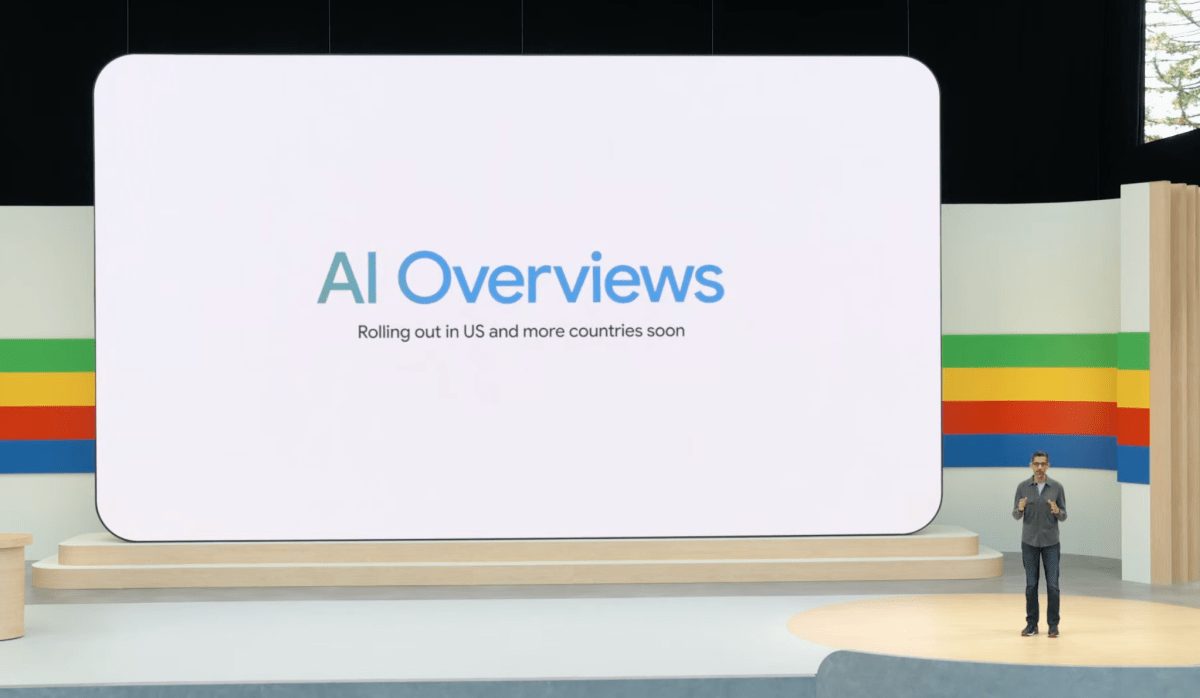
Fresh data indicates Google's AI-powered search mode is rapidly becoming the default for users, a milestone in the company's bet that generative answers, not blue links, are the future of search. On its Q2 earnings call, Google spotlighted travel as proof of its Gemini-powered ad strategy and reported eye-watering 2026 capital expenditure guidance of $195B–$205B, the vast majority for data centers and custom silicon (TPUs).
The financial momentum is real. Per Sundar Pichai's own summary, Alphabet revenue grew 24% year-over-year, Google Cloud accelerated to 82% growth, the Gemini app reached 950 million monthly active users, and model APIs now process 22 billion tokens per minute — up from 16B+ the prior quarter — driven by the workhorse Flash models. Gemini Enterprise is used by 90% of the Fortune 100.
The forward-looking headline: Pichai confirmed Gemini 4 is now training with an 'ambitious' target, and reporting suggests a November or December launch. That sets up a year-end frontier collision with whatever OpenAI's unreleased prototype becomes (the model implicated in the Hugging Face hack) and Anthropic's post-Opus-5 roadmap.
Competitive context: Google's combination of distribution (search default, 950M Gemini users), cheap capable models (3.6 Flash), and massive capex is the flywheel rivals struggle to match — and the AI-search-default shift directly threatens the open web's traffic economics, a theme HN captured in debates about how sites like Chegg and StackOverflow were 'basically destroyed' by LLMs. What to watch: Gemini 4's benchmarks and ship date, whether the $200B capex draws investor pushback, and publisher/regulatory response to AI-search cannibalizing referral traffic.