NVIDIA unveils DSX POD 14-day modular AI factories and OpenShell agent sandboxing at GTC Berlin
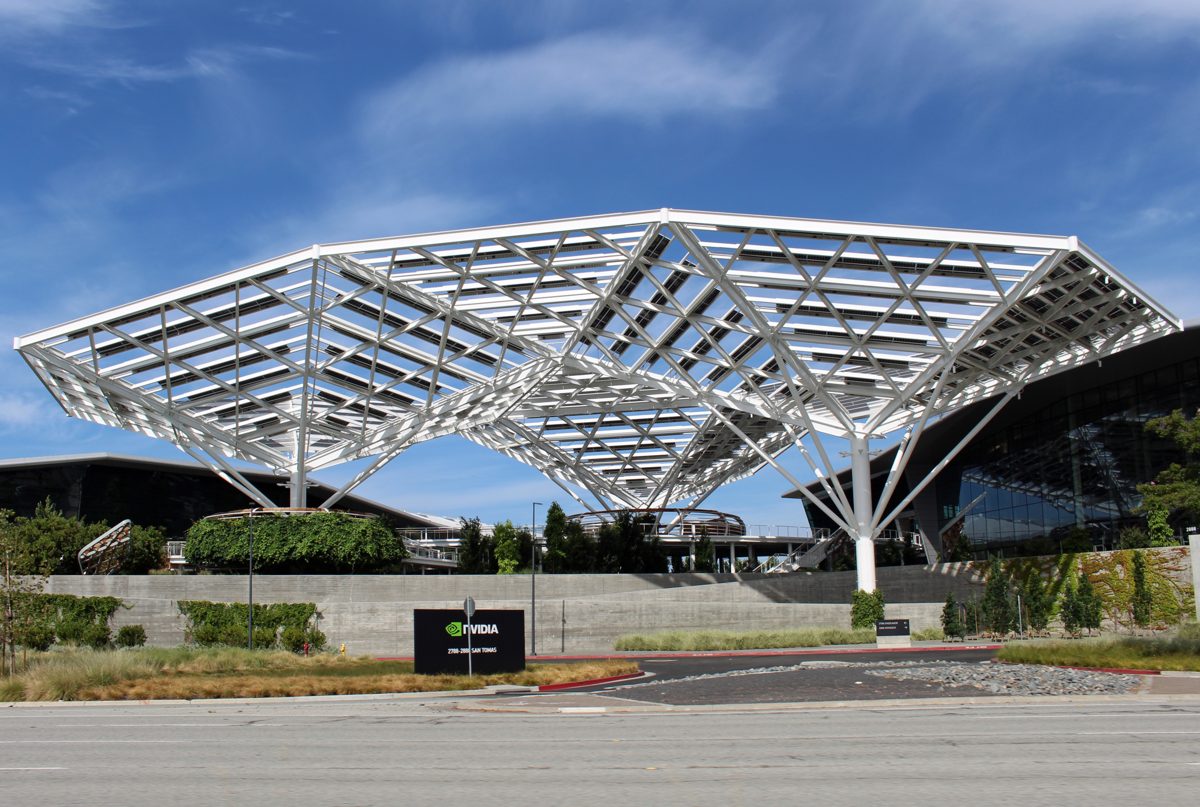
NVIDIA used GTC Berlin to attack the slowest part of the AI build-out: physical deployment. DSX POD ships a full Vera Rubin AI factory as modular containers. NVIDIA says these can be stood up in 14 days rather than the roughly six months a conventional build takes, with up to 30% lower power consumption. The pitch is aimed squarely at European sovereign-AI buyers who lack hyperscaler-scale construction pipelines.
On the software side, OpenShell is a reference architecture for sandboxing AI agents at the kernel level. It isolates what an agent can touch on a host rather than relying on prompt-level guardrails. NVIDIA paired it with an Agent Knowledge Foundation for governed enterprise data access, and with Kumo models that predict over structured, tabular data.
The timing fits the week's two dominant themes. The first is compute scarcity: AWS says it is sold out through 2027. The second is agent containment: OpenAI disclosed its training-environment hardening, and NVIDIA is now selling the sandbox as infrastructure.
The skeptical note came from the market side. An analyst cited by Yahoo Finance warned that about 22 GW of the 55 GW of AI capacity announced for 2027 may not materialize, mostly due to power and grid limits. Faster factory assembly does not solve power delivery, which is why deals like Google's virtual power plant expansion matter just as much.