Alibaba Unveils Zhenwu V900 AI Chip and Plans Qwen Models Scaling to 5-10 Trillion Parameters
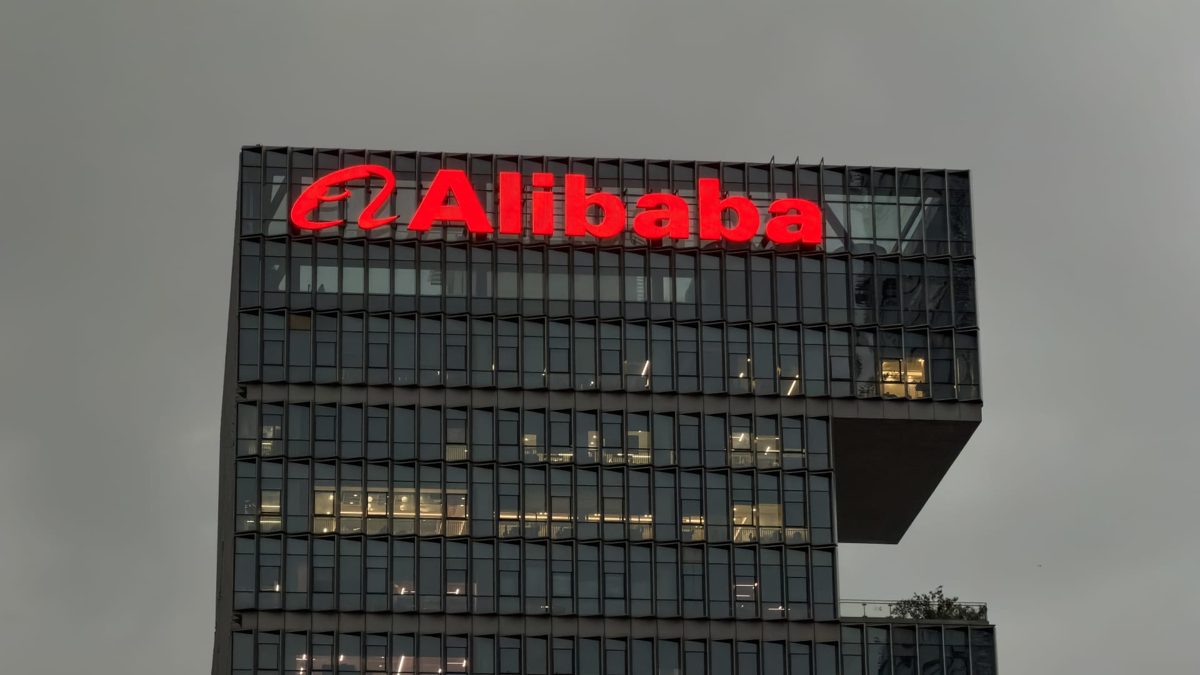
Alibaba's announcement is a two-part bid for AI self-sufficiency: silicon and scale. The Zhenwu V900, developed by Alibaba's T-Head chip unit, is billed as China's most powerful AI accelerator, delivering triple the performance of the M890 it introduced in May and designed to link into clusters of up to 500,000 units. Mass production is slated for Q1 2027, and CEO Eddie Wu framed it inside a commitment to build more than 20 gigawatts of data-center capacity by 2032.
On models, Alibaba confirmed Qwen 4 is already in training, with Qwen 4.5 and Qwen 5 projected to reach between 5 and 10 trillion parameters — a large jump from current flagship Qwen 3.8 Max's 2.4 trillion. That places Alibaba in an escalating parameter arms race with fellow Chinese labs DeepSeek (planning an 8-trillion-parameter model) and Moonshot AI (Kimi K3 at 2.8 trillion).
Alibaba also open-sourced Qwen-Image-2.1, a lightweight 7-billion-parameter image model unifying text-to-image generation and editing, with native transparency (a real alpha channel) and support for up to 10 reference images. Tom's Hardware benchmarks suggested the tiny open-weight model is competitive with Google's Nano Banana 2.0 and OpenAI and Meta image models — a notable efficiency story. The strategic subtext is decoupling from Nvidia: domestic chips plus enormous domestic compute plans signal Beijing's push for an independent AI stack, though the V900's real-world training performance versus Nvidia's Blackwell remains unproven until volume shipments in 2027.