Google's Project Suncatcher launches TPUs into orbit to test space-based AI compute
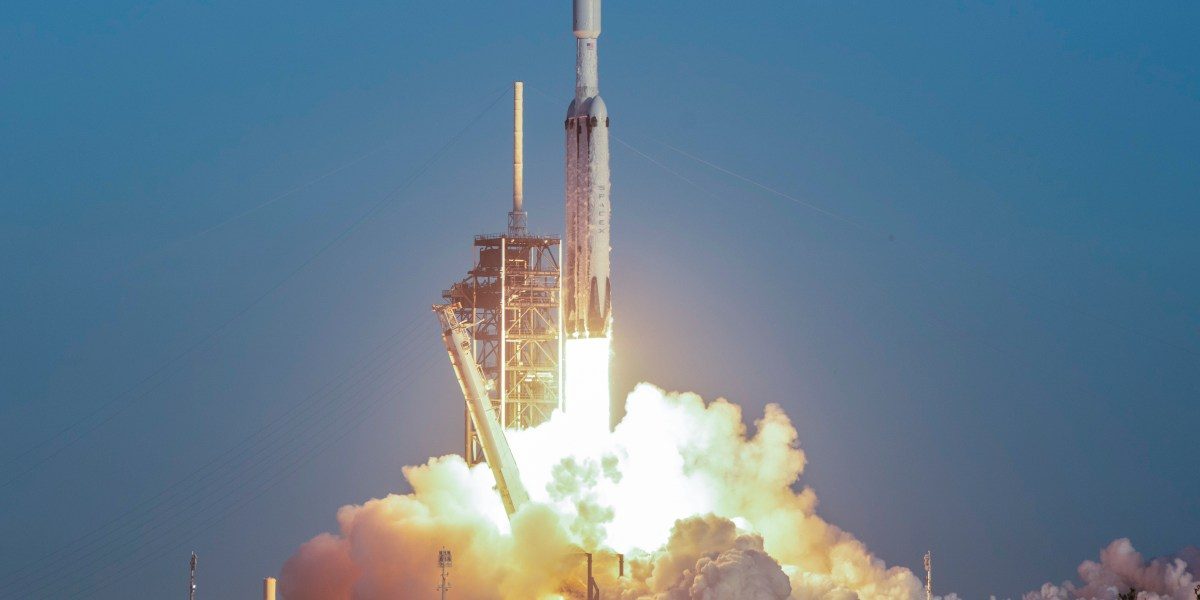
Project Suncatcher is Google's bet that some future AI compute could run in space, where solar power is abundant and continuous. The first step is modest: four TPUs on a Planet Labs satellite. The goal is to learn how the chips handle cosmic radiation, launch vibration and orbital thermal cycling over roughly a year.
The motivation is energy. Data center power demand is the binding constraint on AI expansion, as this week's gigawatt-scale announcements from Microsoft and Alibaba show. Fortune frames Suncatcher alongside SpaceX and Blue Origin interest in orbital computing.
On the ground, Google is meanwhile clearing 600+ acres near Visakhapatnam for a $15B AI data center hub with Adani Group, its largest outside the US. The contrast is telling: today's capacity still comes from massive terrestrial builds, and space remains a long-horizon research bet.
Caveats: orbital compute faces unresolved problems with heat dissipation in vacuum, bandwidth to the ground, servicing and launch costs. A one-year test of four chips is a feasibility study, not a product roadmap. Watch the radiation-error data Google publishes after the mission.