NVIDIA brings agentic AI to the edge with JetPack 7.2 on Jetson
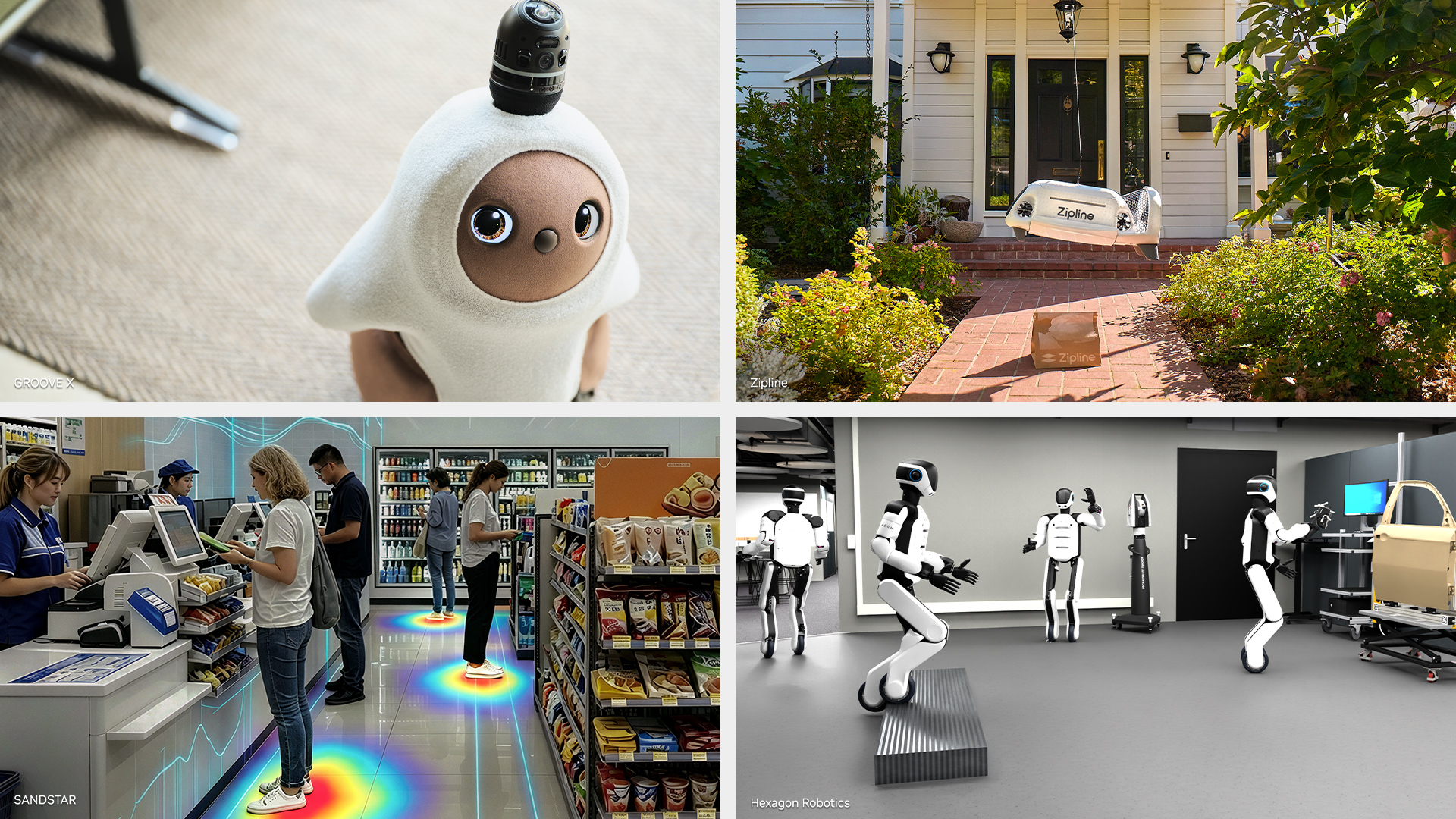
NVIDIA detailed JetPack 7.2 for the Jetson edge platform, framing it as the bridge that lets AI agents move from digital environments into the physical world. The release adds agentic AI skills and NemoClaw support, brings CUDA 13 to Jetson Orin, adds Yocto project support, boosts performance on the Jetson AGX Orin 32GB, and introduces Multi-Instance GPU (MIG) partitioning on Jetson Thor — letting a single edge device run multiple isolated AI workloads.
The emphasis is on memory-efficient inference for constrained edge devices, a hard requirement as agents that previously ran in the cloud are pushed onto robots, cameras, and industrial controllers. MIG support on Thor is notable because GPU partitioning has historically been a data-center feature; bringing it to the edge signals NVIDIA expects multi-agent workloads on a single device.
JetPack 7.2 complements Cosmos 3 (the world-model layer) by providing the runtime where physical-AI policies actually execute, completing NVIDIA's top-to-bottom physical-AI stack from simulation to silicon. It also positions NVIDIA against the broader edge-AI field as robotics investment accelerates industry-wide, including OpenAI's freshly revived robotics effort.
For developers building autonomous systems, the practical wins are CUDA 13 parity on Orin and the AGX Orin performance uplift, which lower the friction of deploying current-generation models at the edge. The strategic subtext is that NVIDIA wants to own physical AI the way it owned data-center AI — and shipping agentic skills directly in the Jetson SDK is how it locks in the developer base before rivals' embedded accelerators mature.