Meta awards AI Glasses Impact Grants to 30 accessibility organizations
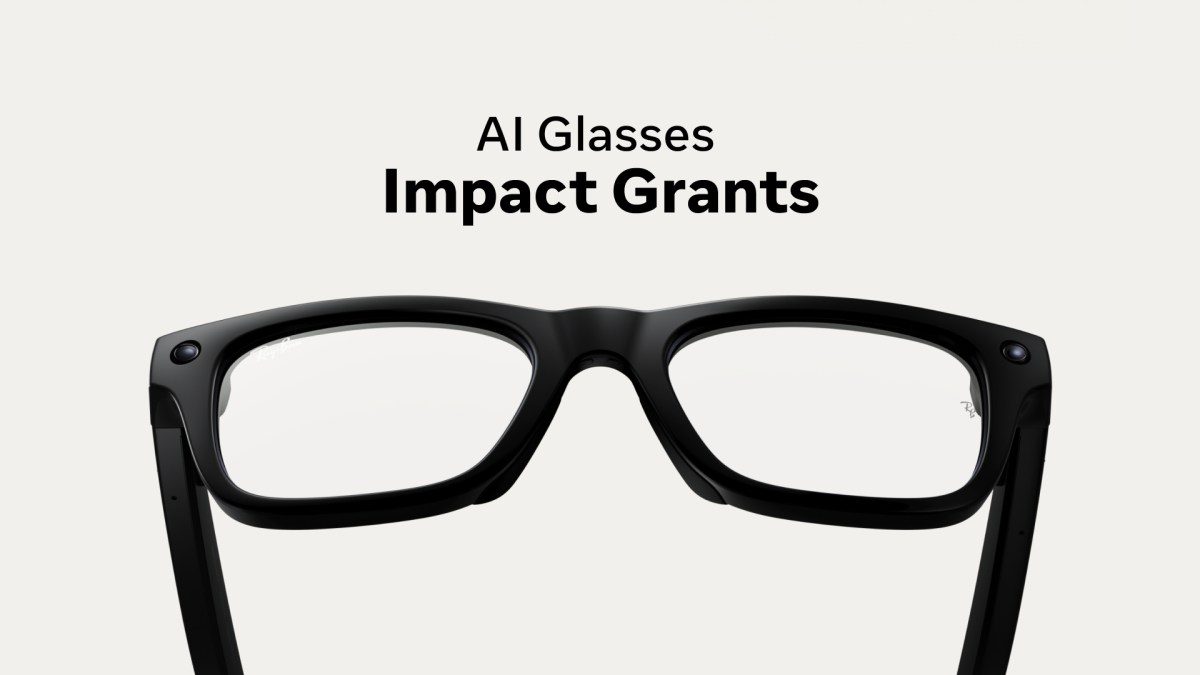
Meta's AI Glasses Impact Grant program directs its smart-glasses technology toward accessibility, awarding grants to 30 US organizations using Meta AI glasses to help people work more safely, learn faster, and live more independently. The initiative targets use cases where hands-free, AI-powered visual assistance can meaningfully improve daily life — for people with visual impairments, cognitive differences, or physical limitations.
The program is strategically significant beyond its philanthropic framing. Meta has bet heavily on AI glasses as the next computing platform, and accessibility use cases both demonstrate genuine utility and build goodwill for a product category facing privacy scrutiny. By seeding real-world deployments through nonprofits, Meta generates authentic use cases and data while positioning its glasses as a force for independence rather than surveillance.
The grants fit into Meta's broader superintelligence and wearables push — the same week it shipped Muse Spark 1.1 task automation and detailed its Iris AI chip and gigawatt-scale compute buildout. Glasses are the hardware endpoint for Meta's agentic AI ambitions, and accessibility is a proving ground.
Competitively, the timing coincides with Samsung's Unpacked reveal of Gemini-powered Android XR smart glasses, intensifying the AI-glasses race between Meta and the Google-Samsung alliance. Skeptics may see the grants as reputation management for a product line dogged by recording-privacy concerns, but the accessibility applications are concrete and the recipients real. What to watch: whether the deployments produce durable accessibility tools or remain pilot programs, and how Meta's glasses fare against Samsung's Gemini-powered entrants.