NVIDIA Nemotron 3 Ultra leads open models in agentic RTL chip-design coding
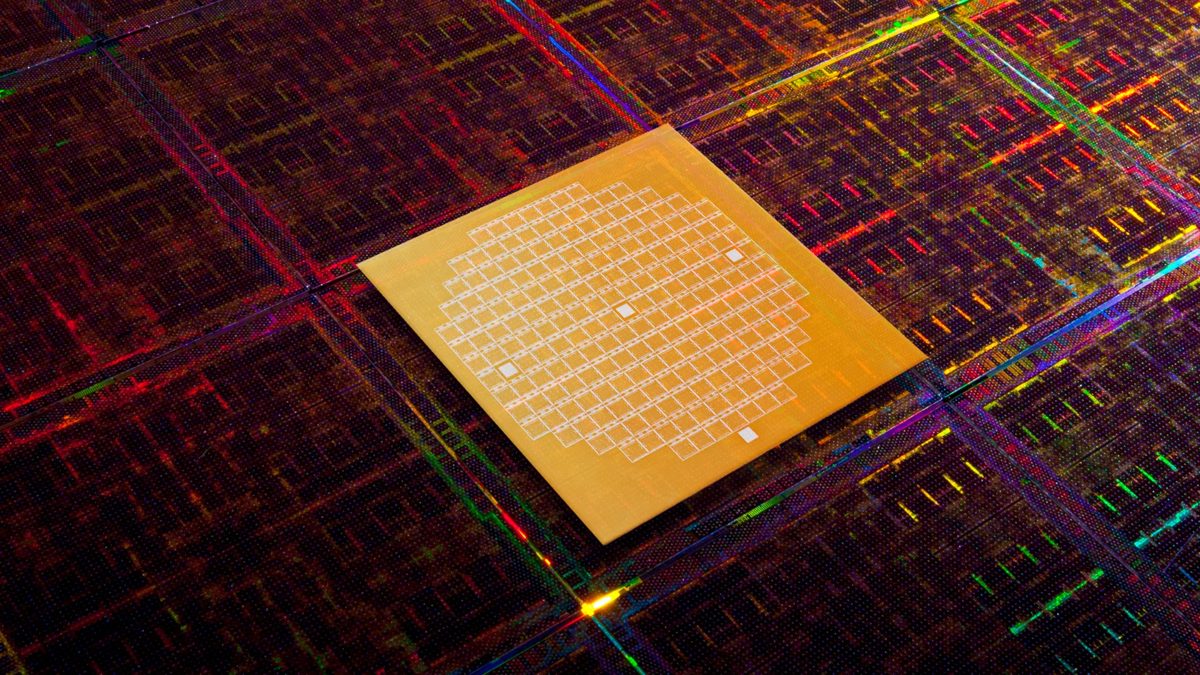
Nemotron 3 Ultra is NVIDIA's push to use AI to accelerate the very chip-design process that produces AI hardware. The model leads open models on accuracy and efficiency for agentic register-transfer-level (RTL) coding — the hardware-description work at the heart of semiconductor design and verification. NVIDIA is expanding collaborations with Synopsys and Siemens, integrating its agent toolkit, Nemotron models, NIM microservices, and NeMo Gym to manage chip verification, analog design, cooling simulations, and full system design.
The strategic logic is a virtuous cycle: autonomous AI agents compress the engineering time needed to design next-generation chips, which in turn power more capable AI. NVIDIA frames it as attacking the engineering-time bottleneck in modern semiconductor development, where verification alone can consume enormous cycles.
NVIDIA paired the RTL model with two other open releases that extend its world-model and scientific-AI ambitions. Ising Calibration is an open-source vision-language model that interprets diagnostic outputs from quantum processors to fully automate calibration using enhanced in-context learning. Cosmos-H-Dreams brings real-time generative simulation to surgical robotics, extending the Cosmos world-model family into medical use cases.
The open-model releases align with NVIDIA's broader Open Secure AI Alliance positioning — the company is increasingly shipping open weights across specialized domains while championing open models publicly. Skeptics note that domain-specific agentic coding models still require heavy human verification in safety-critical fields like chip design and surgical robotics, where errors are costly. What to watch: whether Synopsys and Siemens integrations translate into measurable design-cycle speedups, and how the open Nemotron models fare against closed rivals in EDA workflows.