Google DeepMind's Gemma 3 powers a satellite that searches for objects on its own
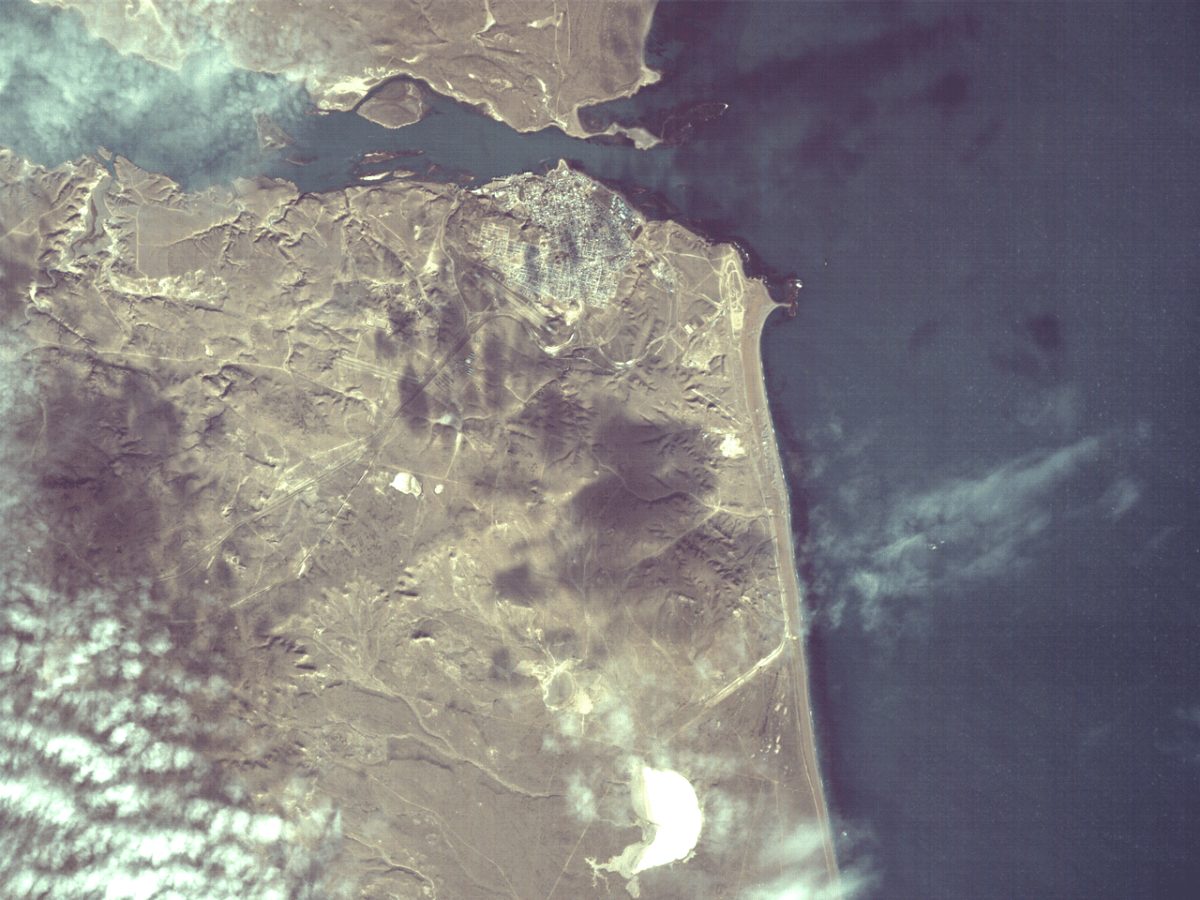
Google DeepMind's Gemma 3 vision-language model — engineered for edge hardware operating far from data centers — enabled a satellite to autonomously search for and classify objects for the first time, according to TechCrunch. The VLM combines LLM-style reasoning with image analysis while running on the limited onboard compute available in orbit, a demanding constraint given power, thermal, and connectivity limits in space.
The achievement is significant because it pushes capable multimodal AI to one of the most extreme edge environments imaginable, where round-trip latency to ground-based data centers makes real-time cloud inference impractical. Onboard autonomy lets a satellite decide what to image and classify without waiting for instructions, a capability with implications for earth observation, disaster response, and defense applications.
The story reinforces Google's broader Gemma strategy of efficient, deployable open-weight models — the same family that just landed on Amazon Bedrock as Gemma 4 — emphasizing intelligence-per-parameter over raw scale. It also sits alongside a quieter Gemini consumer win this week, with the Gemini Daily Brief drawing praise for reliably handling morning routines despite lingering hallucination concerns. The competitive context favors models small and efficient enough to run anywhere, a counterweight to the trillion-parameter arms race elsewhere in the industry. Watch how edge-deployed VLMs expand into robotics, drones, and other compute-constrained autonomous systems.