Samsung plans 2nm/4nm AI chip foundry hub after OpenAI's Altman meets 50 executives on memory supply
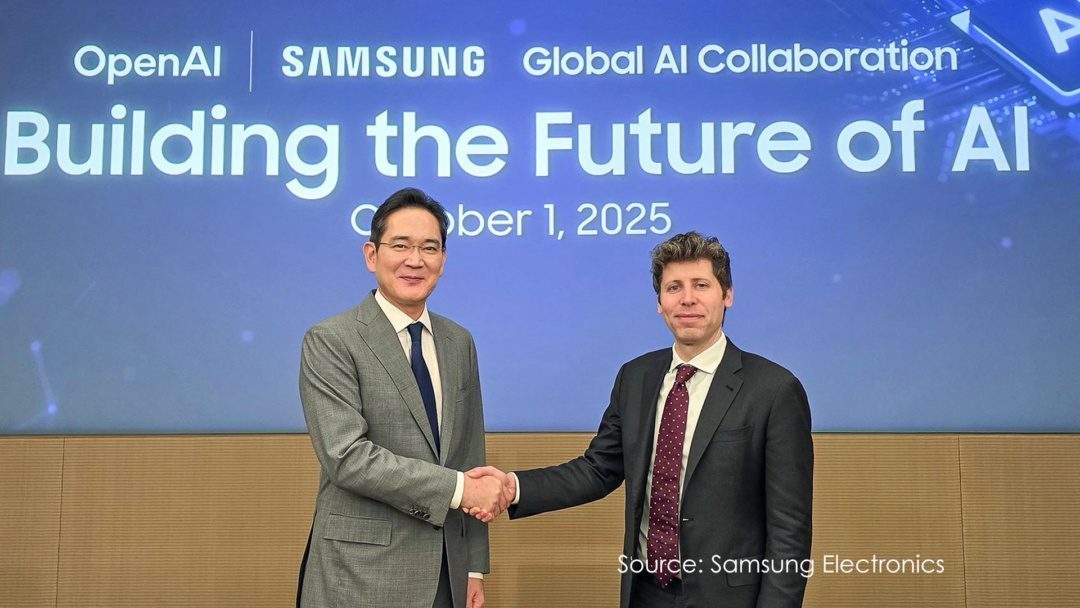
Altman's meeting with about 50 senior Samsung executives centered on the industry's tightest bottleneck: memory. DRAM and especially HBM, the stacked high-bandwidth memory that feeds every AI accelerator, are in short supply. OpenAI's compute plans depend on securing it. NVIDIA's own engineering blog this week described HBM as "the scarcest memory tier in AI factories."
Samsung's response goes beyond memory. Its new Kairos task force is charged with turning the Giheung Campus into a 2nm and 4nm foundry hub for AI chips. That would let Samsung manufacture logic chips, possibly custom accelerators for customers like OpenAI, alongside the HBM it already supplies. A vertical package of foundry plus memory is something TSMC cannot offer alone, and it is Samsung's best chance to win back foundry share.
The move fits Samsung's broader strategy. It has reportedly retreated from training its own frontier models and relies on Google's Gemini for Galaxy AI features, focusing instead on hardware where it has an advantage. Supply pressure is visible to consumers too: a heavily upvoted r/nvidia thread reported RTX 50-series prices rising by up to $500, and Altman faced a Reddit backlash over earlier comments about RAM before reversing course.
Caveats: Samsung's advanced foundry yields have lagged TSMC's for years, and a task force is not a fab. Watch for any concrete OpenAI commitment, such as an HBM supply agreement or a custom-chip contract, and for Samsung's capex guidance, which would show whether Kairos is a real investment or a negotiating signal.