NVIDIA anchors physical-AI stack as EU plans €10B gigafactories and RTX prices climb
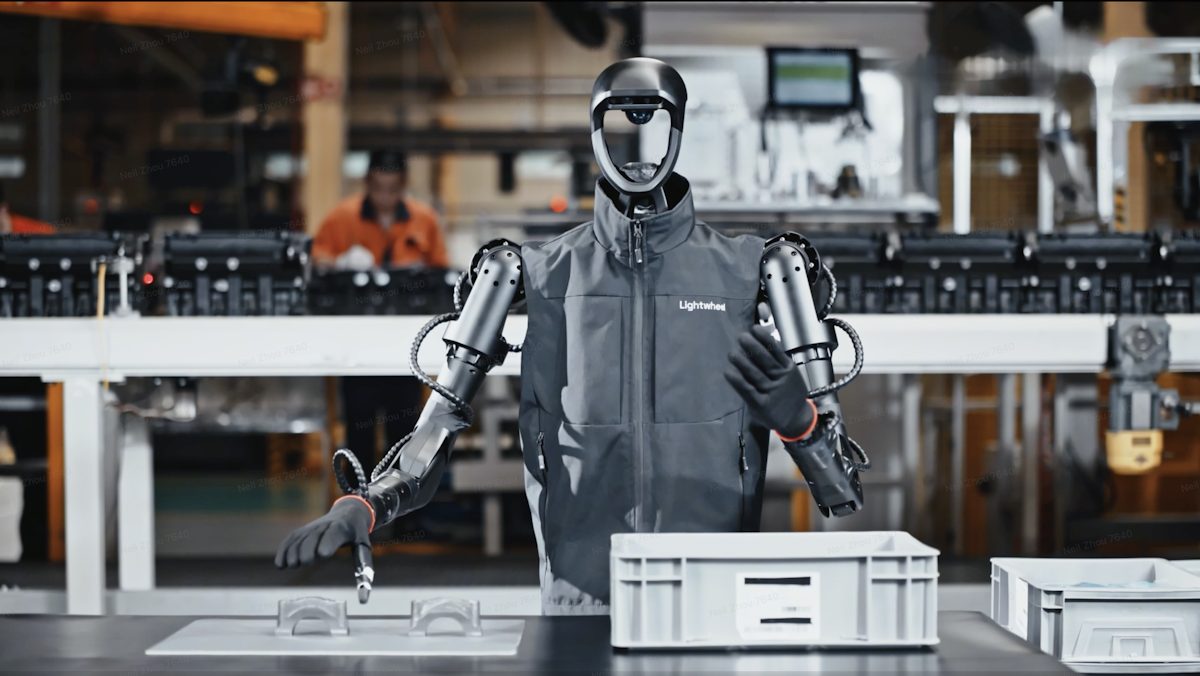
NVIDIA solidified its position as the foundational infrastructure layer for physical AI, with its Isaac platform now spanning simulation, robot-learning, CUDA-X libraries, and foundation models — the stack underneath robotics releases like Google's Gemini Robotics 2. As whole-body humanoid AI advances, NVIDIA's bet is that whoever supplies the training and inference substrate captures value regardless of which lab wins the model race.
On the policy front, the EU unveiled a €10B plan for seven AI gigafactories, with NVIDIA, AMD, and Qualcomm signing letters of intent to supply chips — a sovereign-compute push to keep Europe competitive with the US and China. The initiative underscores how AI infrastructure has become geopolitical, with governments now direct customers in the compute buildout alongside hyperscalers like Amazon ($220B capex) and Microsoft.
The consumer flip side is painful: RTX 50-Series GPUs could see another 20-30% price hike in 2026 amid AI-driven demand, and the community is feeling it. On r/nvidia, a post noting the RTX 6090 is 'nearing $5000... new car prices' drew frustration, even as a 5080 arrival celebration hit 1,022 upvotes — capturing the tension between enthusiast demand and spiraling costs as data-center appetite crowds out gamers.
NVIDIA also shipped developer-focused updates this week — co-designed attention for fast long-context inference, Video Codec SDK 13.1, nvmath-python, and guidance on deploying secure AI agents — reinforcing its full-stack software moat beyond silicon. The competitive context is that AMD and Qualcomm are gaining footholds (the EU LOIs prove it), but NVIDIA's CUDA ecosystem lock-in remains formidable. Watch whether EU gigafactory contracts diversify away from NVIDIA and whether consumer GPU pricing triggers a backlash that pressures allocation between data-center and retail supply.