Meta's homegrown AI chips to begin production in September
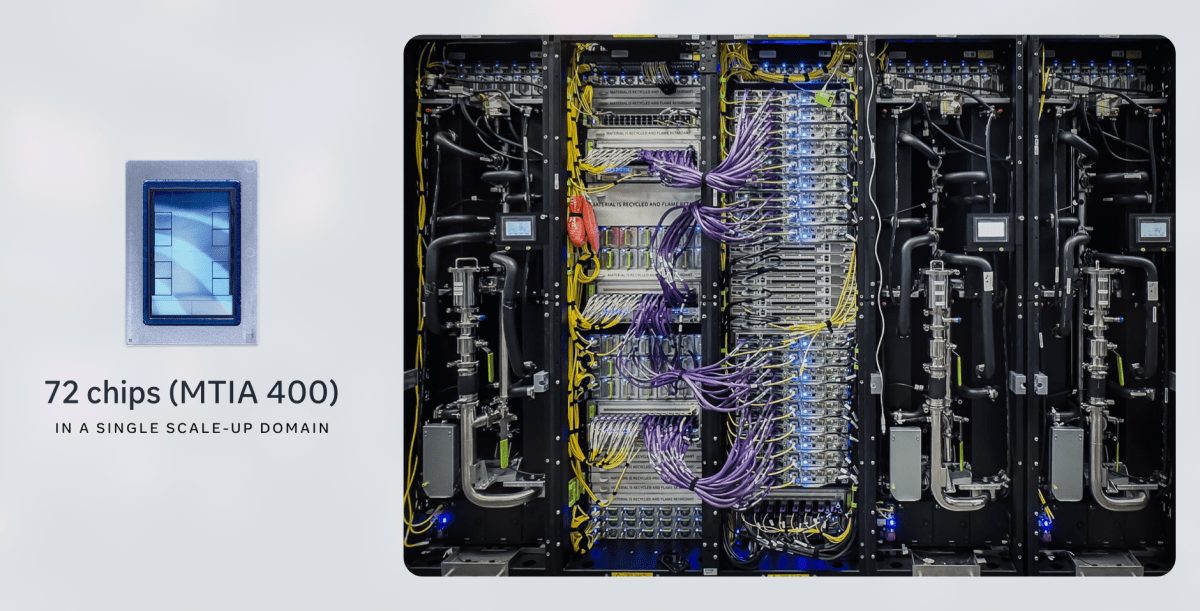
Meta's own AI silicon will enter production in September, TechCrunch reported July 9, marking a concrete milestone in the company's multi-year push to reduce reliance on Nvidia. The chips add to Meta's diversification deals with ARM, AMD, and Amazon, part of a broad industry effort to stem the enormous capital flowing to Nvidia for training and inference. Meta's scale — running some of the world's largest recommendation and generative-AI workloads — makes even partial in-house silicon economically material.
The move dovetails with a reported Meta consideration to launch a Bedrock-like cloud offering that would rent access to AI models on its infrastructure, potentially turning its internal compute buildout into an external revenue line and competing directly with AWS Bedrock and Azure. Combined with the Muse Spark 1.1 and Muse Image launches this week, it paints Meta as pursuing full-stack AI ambitions: models, chips, and potentially a model-hosting cloud.
The hardware push is part of a broader realignment: DeepSeek is building its own inference chip, Amazon has Trainium/Inferentia, Google has TPUs, and even Anthropic is reportedly in talks with Samsung for bespoke silicon — all trying to escape Nvidia's pricing power. Meanwhile, China plans to let its top AI firms buy a limited number of Nvidia H200 chips, a partial thaw in export policy. The skeptical caveat is that 'begins production in September' is an early milestone; competitive, software-supported AI accelerators take years to mature, and Meta will run its custom chips alongside Nvidia GPUs for the foreseeable future. But the direction is unmistakable — the largest AI spenders are all building exits from Nvidia dependence, and Meta's timeline is now concrete.