Apple readies LLM-powered Siri in iOS 27 beta while spending minimally versus rivals
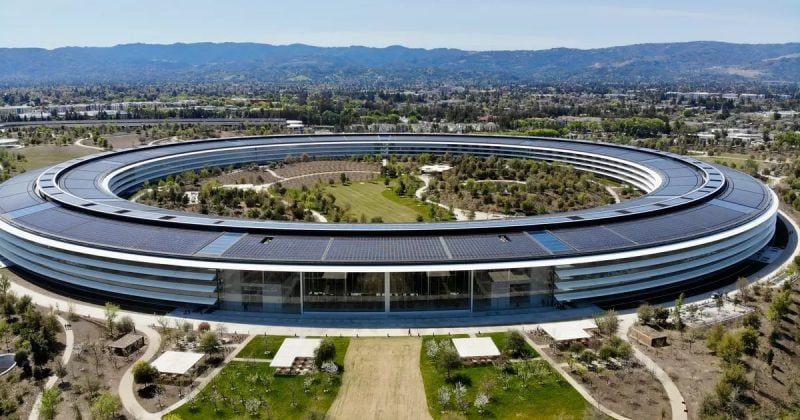
Apple's AI strategy remains a study in restraint, and the iOS 27 beta cycle is where its long-delayed LLM-powered Siri finally takes shape. In Developer Beta 4, the revamped Siri is flagged as the flagship feature for iOS and macOS 27 this fall, while Apple shipped iOS 26.6 with security fixes to pave the way. It's an incremental, cautious rollout consistent with Apple's post-2025 struggles to deliver on its Apple Intelligence promises.
The more striking story is the spending gap. Analysts note Apple is being outspent roughly 50-to-1 on AI infrastructure by rivals collectively investing around $700 billion, despite Apple sitting on $130 billion-plus in cash. Rather than build gigawatt-scale compute — as Meta, NVIDIA's partners, and Microsoft are doing this week — Apple is opting for partnerships and on-device efficiency, a deliberate bet that it can ride others' infrastructure while differentiating on privacy and integration.
Apple's research output continues quietly: researchers introduced GH-ESD, a grounded hypothesis-driven method for discovering error slices in instance-level vision tasks like object detection, moving beyond cluster- and attribute-based approaches. It's the kind of foundational work Apple publishes even as its consumer AI lags.
The competitive risk is stark. While rivals ship agentic assistants (Muse Spark, ChatGPT desktop voice) and Samsung integrates Gemini into glasses, Apple's Siri is still catching up to capabilities others shipped a year ago. Skeptics question whether the partnership-over-buildout strategy leaves Apple structurally behind, or whether its installed base and privacy positioning let it enter late and still win. What to watch: whether Siri actually ships in the fall iOS 27 release after prior delays, and which external model powers it.