AMD and Dell: agentic AI is rewriting enterprise compute economics
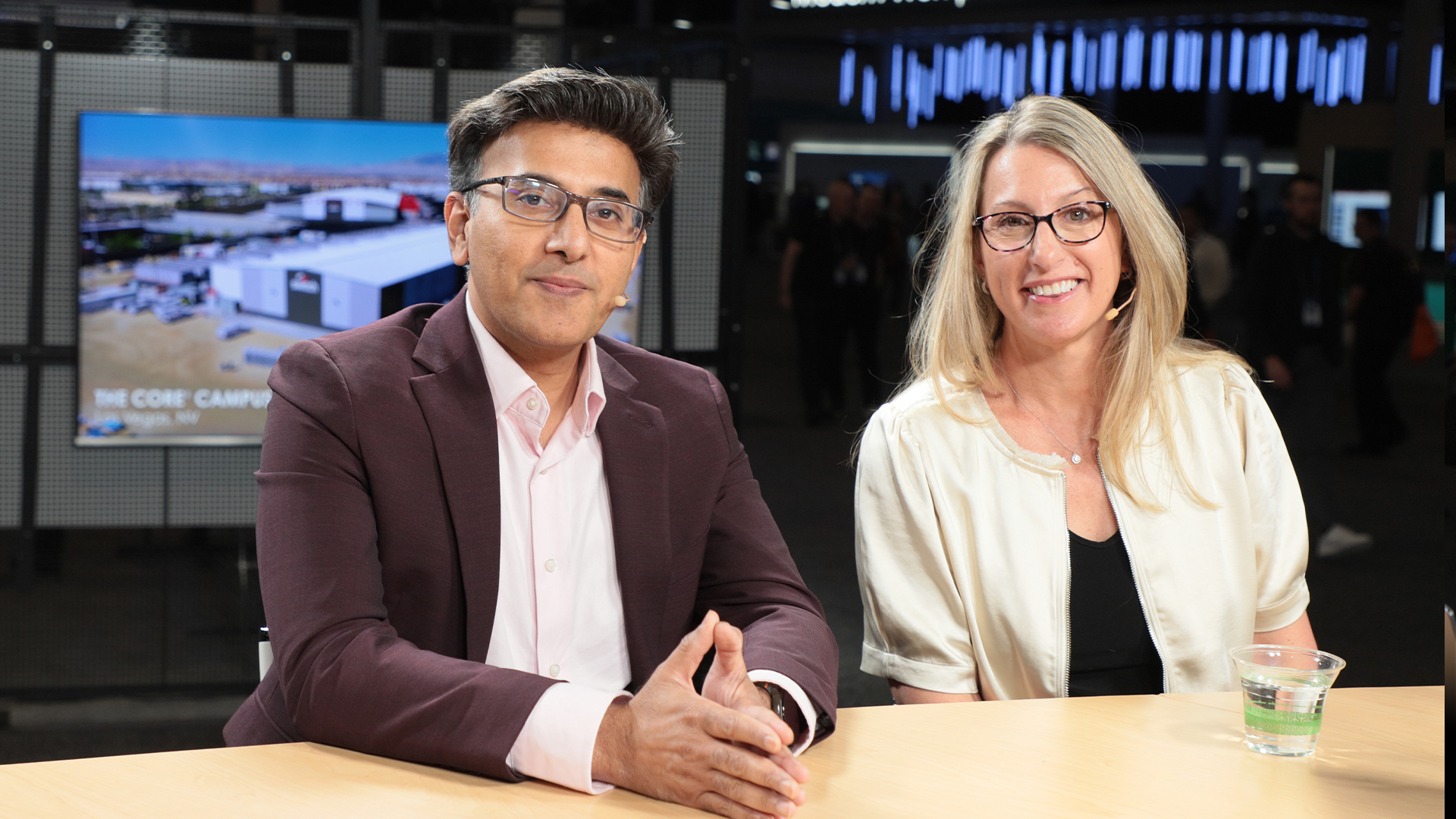
At Dell Tech World on May 20, AMD and Dell jointly made the case that agentic AI workloads are forcing a second wave of enterprise infrastructure rebuild — distinct from the first 'put a GPU cluster in the data center' wave. SiliconANGLE's coverage centered on the 'AI factory' framing: enterprises now plan capacity around sustained token throughput, not peak training jobs, and that changes which compute is cheap and where it should sit.
The argument has two technical legs. First, token economics: agentic workflows generate orders-of-magnitude more inference calls than chat (one Dell exec cited a 320x increase in token consumption per workload), which makes inference cost-per-token the dominant planning variable, not training FLOPs. Second, data gravity: agents need to act on live enterprise data — SAP, Salesforce, internal databases — and shuttling that to a hyperscaler region is expensive and increasingly bumps into regulatory limits. Hybrid distributed architectures with on-prem or edge inference become economically rational, not just compliance-driven.
This is also a competitive pitch against pure-NVIDIA stacks. AMD is positioning its MI accelerators as the 'inference-economics' play, and Dell as the integration partner that makes hybrid actually deployable. It dovetails with two other stories this week: Zyphra raising $500M to train models entirely on AMD hardware, and Dell becoming OpenAI's on-prem channel for frontier models (alongside Microsoft's Azure Local / Foundry Local pitch).
The skeptical read is that the 'AI factory' framing is largely a marketing wrapper around a real but unglamorous trend: inference at scale is the workload that pays, and whoever sells the cheapest token wins. NVIDIA's 95% revenue guide on the same day suggests the GPU monopoly is still very much intact at the training tier. The interesting question is whether AMD-plus-Dell-plus-hybrid can actually close the inference economics gap fast enough to take meaningful share before Rubin ships.