NVIDIA releases Cosmos 3 open omni-model for physical AI at GTC 2026
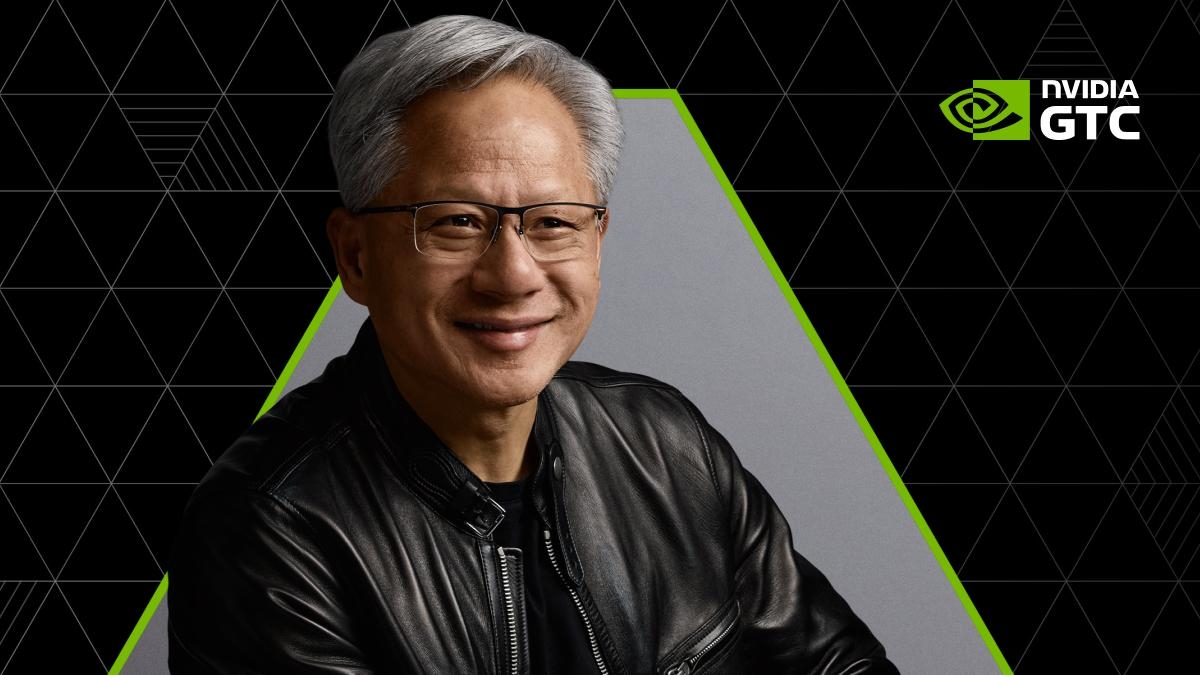
At GTC 2026, NVIDIA unveiled Cosmos 3, positioning it as the first open omni-model purpose-built for physical AI — reasoning and acting across video, robotics and industrial domains. Jensen Huang demonstrated the model in a keynote that assembled a who's-who of partners (Adobe, Cohere, Google DeepMind, Meta, Microsoft, OpenAI, Tesla), and Cosmos 3 was published to the Hugging Face Hub for open access.
Cosmos 3 reflects NVIDIA's strategy of owning the full physical-AI stack — world models, simulation, robotics training and deployment hardware. It complements the company's other GTC-adjacent releases this week: lifecycle/manageability tooling for DGX Spark enterprise deployments, a TensorRT FP8 quantization workflow to turn checkpoints into production inference engines, and FLARE Auto-FL agents that automate federated-learning research decisions.
The open-model framing earned genuine enthusiasm — community interest on Hugging Face and GitHub focused on its world-model approach to robotics and autonomous vehicles. It also fits a clear theme: physical AI and robotics dominated developer chatter this week, from r/singularity threads on humanoid autonomy and UBTech's 'emotional' robot couple teaser (741 upvotes) to LinkedIn's Chip Huyen announcing a series on physical AI and world models. NVIDIA's bet is that as LLM progress in software outpaces embodied AI, an open omni-model can become the default substrate for robotics — much as CUDA became the default for training. The competitive question is whether 'open' here means truly permissive weights or a more restricted research license, and how Cosmos 3 stacks against in-house robotics models from Google DeepMind and Tesla.