Apple Intelligence approved in China via Alibaba's Qwen and Baidu; iOS 27 ships new Siri
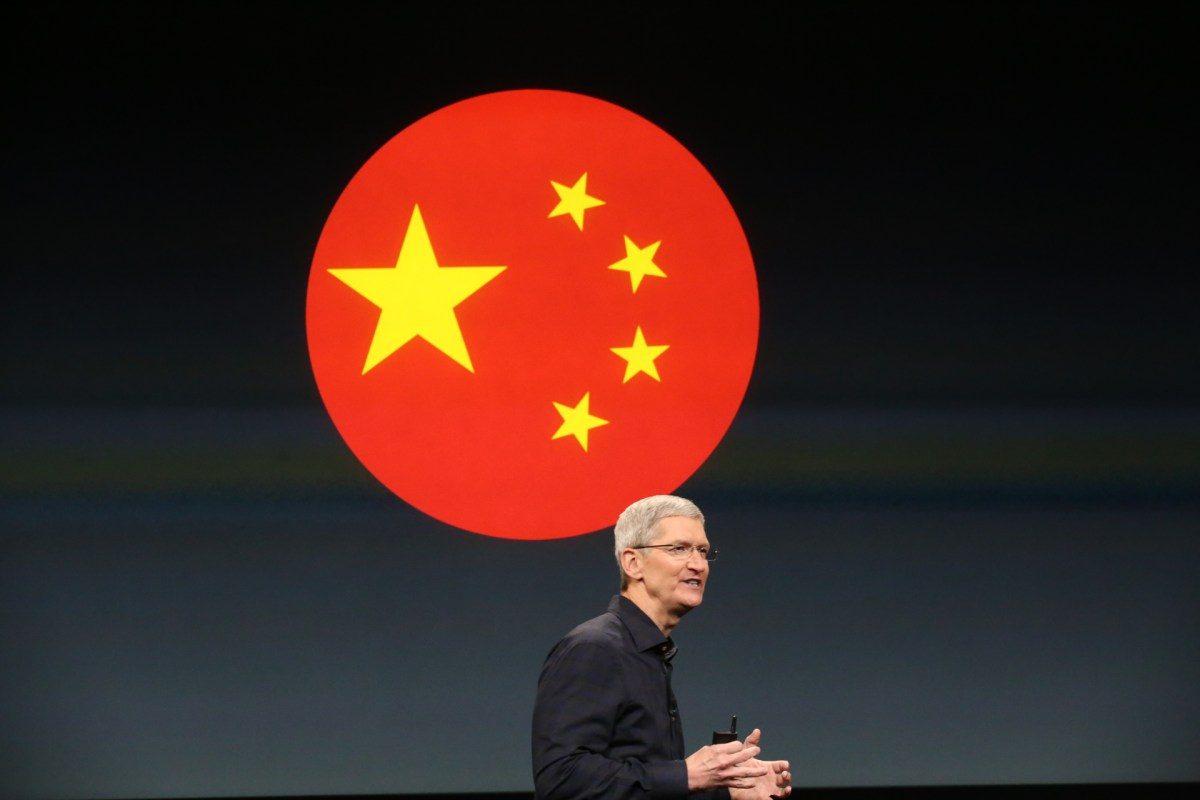
After a lengthy regulatory process, China's Cyberspace Administration approved Apple Intelligence for the Chinese market via partnerships with Alibaba — whose Qwen model provides text and image understanding and generation — and Baidu. The approval sent both partners' shares higher, with Alibaba's US-listed stock rising about 4% premarket, and resolves a critical gap that had left iPhones in Apple's second-largest market without on-device AI features.
The deal mechanics are notable: Qwen features will be accessible directly within iOS, iPadOS, macOS and visionOS for Chinese users, and reports note a Silicon Valley startup compressed Qwen to run efficiently on iPhone 15 and newer. Analysts observed Apple is likely reserving its own Private Cloud Compute 'secret sauce' for itself while relying on local partners to satisfy Chinese data-sovereignty rules — a template other Western firms may follow.
Separately, iOS 27's public beta debuts a substantially upgraded Siri that can search across messages, emails and photos, understand on-screen content, and take actions across apps, plus a dedicated Siri app with iCloud-synced conversations and new AI photo-editing tools. This is the long-promised 'more capable Siri' Apple has repeatedly delayed.
Competitively, the China approval is as much a geopolitical milestone as a product one, embedding a Chinese frontier model (Qwen, which reportedly overtook Llama as the most-used open model) into hundreds of millions of Apple devices. The caveats: censorship and data-handling requirements come with the Chinese partnership, and Apple's broader AI reputation still trails on Siri's real-world reliability. What to watch is user reception of the new Siri in beta and whether the dual-model architecture (Apple in the West, Qwen in China) creates feature fragmentation.