Microsoft makes AI U-turn on Teams Copilot; Windows 11 Copilot flags PC slowdowns
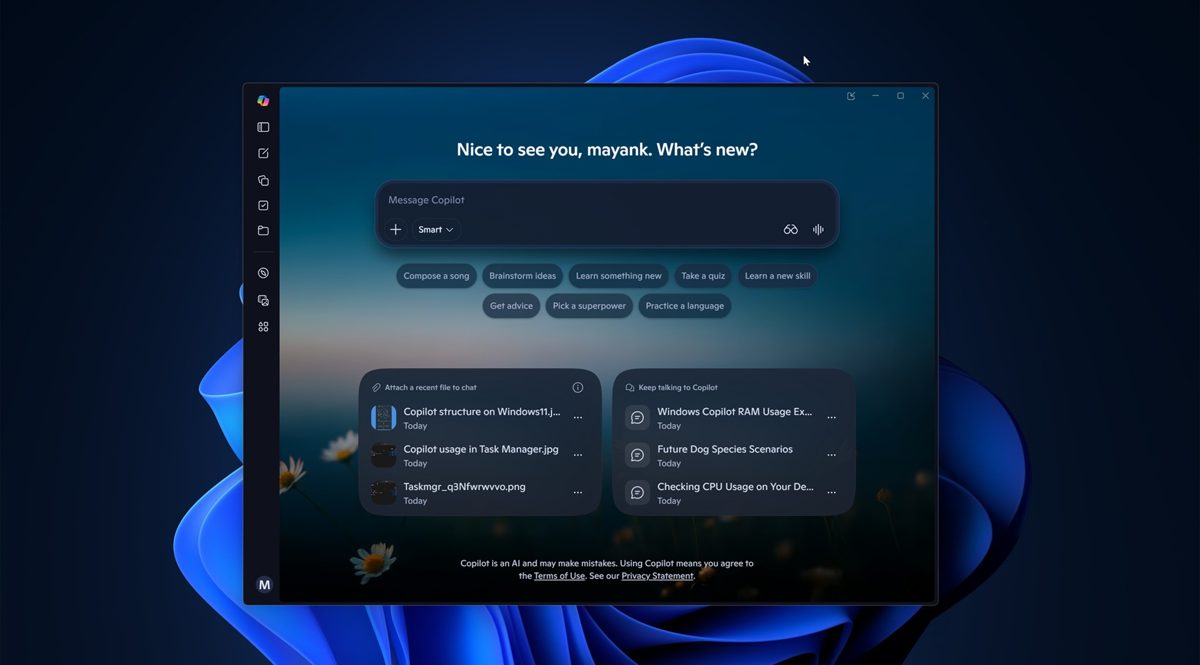
Microsoft executed a notable AI U-turn on Teams: after user backlash and privacy concerns, it gave users toggle controls to disable Copilot and the Facilitator feature. The reversal reflects a broader theme this week — vendors retreating from AI features pushed on users by default (see Meta's opt-out pullback the same week). Enterprise users, in particular, resisted having AI participants injected into meetings without clear consent controls.
On the product side, Windows 11 Copilot gained a practical diagnostic capability: it can now tell users what's slowing down their PC, analyzing system state to surface culprits. Notably, Microsoft constrained it to opt-in, read-only access — and acknowledged the assistant itself consumes about 1GB of RAM, an irony not lost on users given it's meant to help with performance.
The competitive context is Microsoft trying to make Copilot genuinely useful in everyday Windows workflows rather than a novelty, while managing a growing trust deficit around AI overreach. The Teams reversal and the read-only, opt-in framing of the PC diagnostic both signal Microsoft recalibrating toward user control after aggressive AI rollouts.
The skeptical take: a performance assistant that itself uses 1GB of RAM invites obvious ridicule, and repeated 'U-turns' suggest Microsoft is shipping AI features faster than it validates user demand. The caveat is that opt-in, read-only defaults are the responsible direction, even if reactive. Watch whether Microsoft applies the same consent-first approach proactively across Copilot rather than only after backlash.