NVIDIA introduces Jetson Thor T3000 and T2000 for mainstream robotics and edge AI
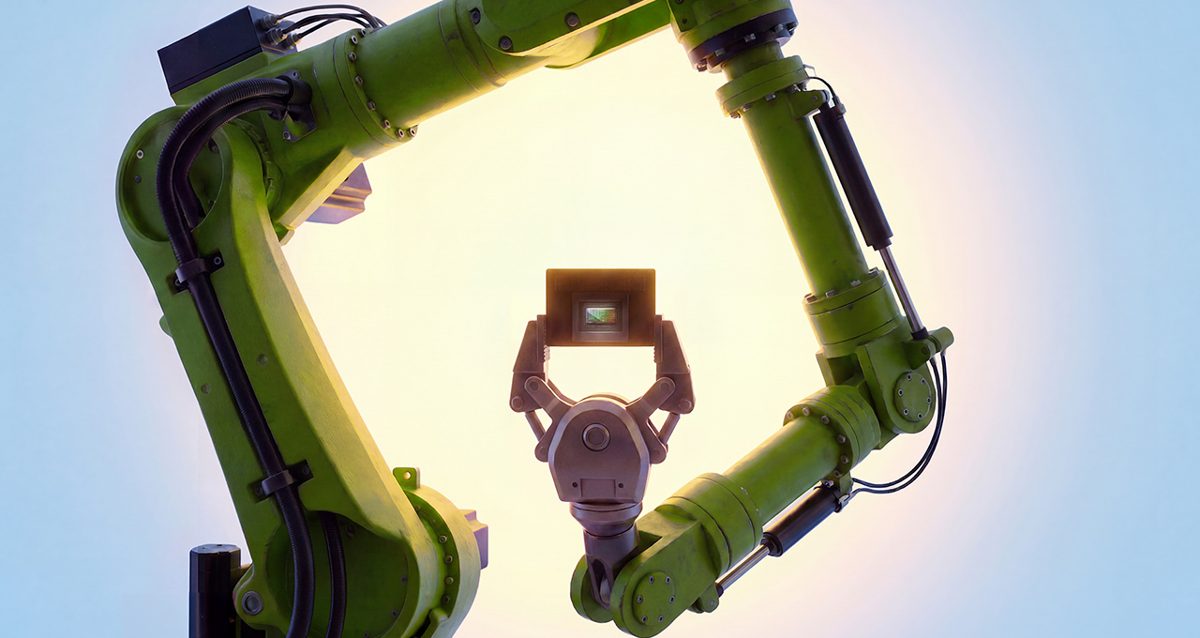
NVIDIA introduced two new edge modules — Jetson Thor T3000 and T2000 — extending its Thor architecture to mainstream robotics and edge AI. The pitch is compact, power-efficient 'AI supercomputers' capable of running foundation models locally on robots, a capability tier NVIDIA argues is necessary as general-purpose robots migrate from research labs into commercial and industrial deployment.
The modules land amid a coordinated robotics push. NVIDIA expanded its Hugging Face partnership to bring Cosmos 3 and new frameworks to the open LeRobot project (which shipped v0.6.0 with state-prediction policies and reward models), and published guidance on evaluating general-purpose robot policies for real-world deployment. Together these signal NVIDIA wants to own the full robot-AI stack from training frameworks down to edge silicon.
Competitively, Thor modules give NVIDIA an on-robot answer to the wave of robotics foundation models — Mistral's single-camera Robostral Navigate this week, Google DeepMind's robot policy work, and various embodied-AI startups. Running foundation-scale models on-device (rather than round-tripping to the cloud) reduces latency and dependency on connectivity, which matters for autonomous physical systems.
Skeptics note that 'foundation-model-capable' edge modules still face thermal, power, and cost constraints in real robots, and that the robotics-deployment wave has been perpetually 'next year.' What to watch: pricing and availability of T3000/T2000, which robot OEMs design them in, and whether NVIDIA's edge-plus-framework strategy translates into the general-purpose robot deployments it's forecasting.