Mistral launches Robostral Navigate, single-RGB-camera robot navigation model
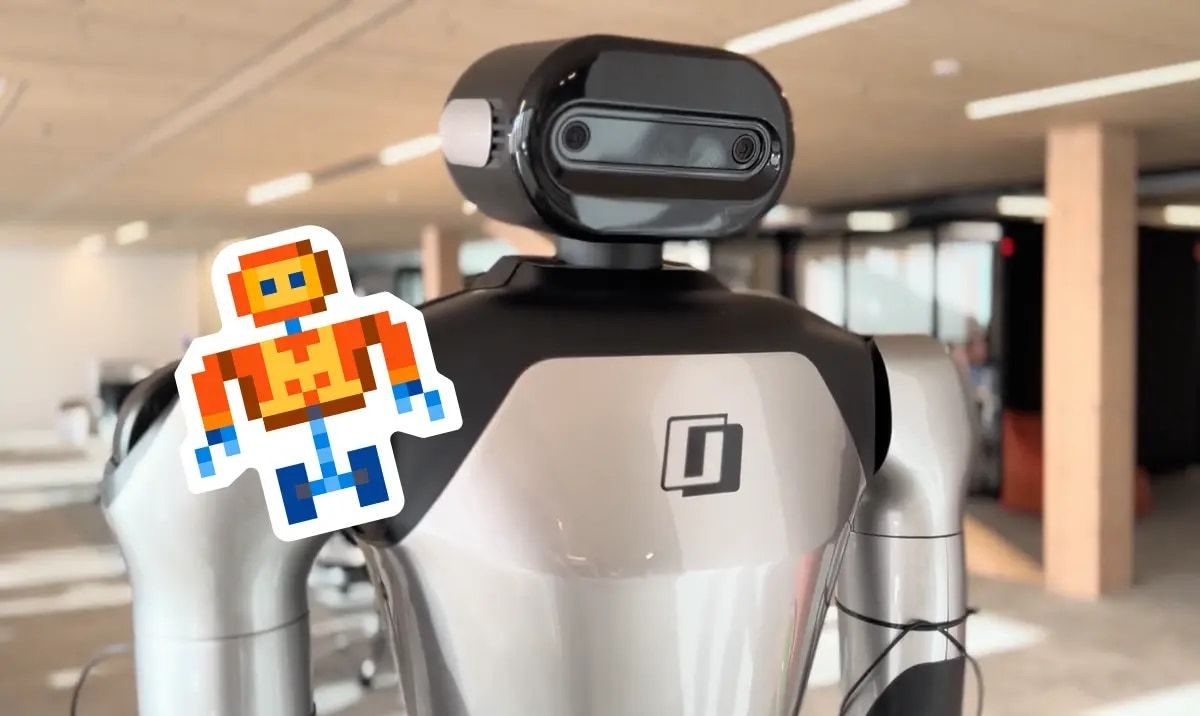
Mistral is pushing into physical AI with Robostral Navigate, an 8B-parameter model that enables robots to navigate unfamiliar, complex environments using nothing more than a single RGB camera and natural-language instructions — no LiDAR, depth sensors, or multi-camera rigs. On the unseen R2R-CE (Room-to-Room Continuous Environment) benchmark it hit a 76.6% success rate, which Mistral says beats more sensor-heavy approaches on both efficiency and effectiveness.
The technical claim of note is generalization: the model was built entirely in-house on simulated data yet reportedly generalizes across different robot embodiments and adapts to real-world obstacles it never saw in training. Relying on a single cheap camera dramatically lowers the bill-of-materials for mobile robots, which matters for the mass-market robotics wave that NVIDIA is also chasing with its Jetson Thor modules.
The launch is part of a broader industry rush into robotics foundation models. The same week, NVIDIA introduced Jetson Thor T3000/T2000 edge supercomputers and expanded LeRobot work with Hugging Face, and Thinking Machines and others crowded the open-model space. Mistral, better known for language models, is signaling it wants a seat at the embodied-AI table alongside its European positioning.
Skeptical takes: R2R-CE simulation success doesn't guarantee robustness in messy real-world deployments, and single-camera navigation gives up the redundancy that safety-critical robots often need. Reviewers will want independent real-hardware evaluation before crowning it over multi-sensor stacks. What to watch: which robot makers adopt Robostral Navigate, whether Mistral releases weights or keeps it API-gated, and how it compares to NVIDIA's and Google's robot policy work on real deployments.