Samsung advances in-house humanoid robots using home-appliance motor tech
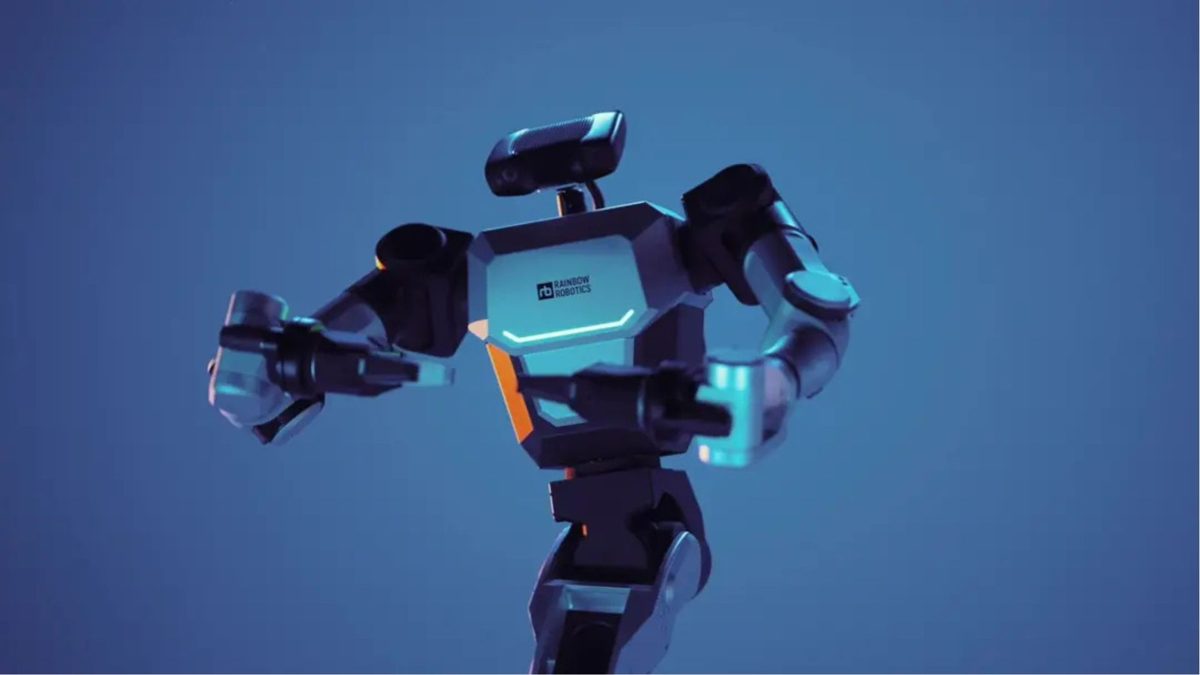
Samsung is making a serious in-house push into humanoid robotics, and its differentiator is manufacturing rather than AI research. The company is leveraging its existing home-appliance and semiconductor production expertise to attack the single biggest cost driver in humanoid robots: actuators, the motorized joints that typically run $500 to $2,000 per unit. Samsung already mass-produces precision motors for appliances, giving it a potential structural cost advantage over robotics startups that must source actuators externally.
On the intelligence side, Samsung is developing vision-language-action (VLA) AI systems — the model class that translates a camera feed and a natural-language instruction into physical motor commands — to control and continuously improve the robots. VLA models are the current frontier in robot learning, used by the leading humanoid efforts, and pairing them with cheap in-house actuators is Samsung's bet.
The strategic logic is that humanoid robotics will ultimately be won on cost and scale, not just capability demos. If Samsung can drive per-unit actuator costs down through vertical integration, it could undercut rivals when humanoids move from prototypes to volume production. This mirrors how Samsung competes in phones and displays: manufacturing scale as moat.
The skeptical read is that hardware cost is necessary but not sufficient — VLA control software, safety, and real-world dexterity remain unsolved at scale, and Samsung is a late entrant against established humanoid programs. Consumer or industrial deployment timelines are unstated. Still, in a field crowded with well-funded startups burning cash on custom hardware, a giant that already builds motors at volume is a credible threat. Watch for a concrete robot reveal and any pilot-deployment partners.