Meta's Alexandr Wang says the company is finally catching up to OpenAI
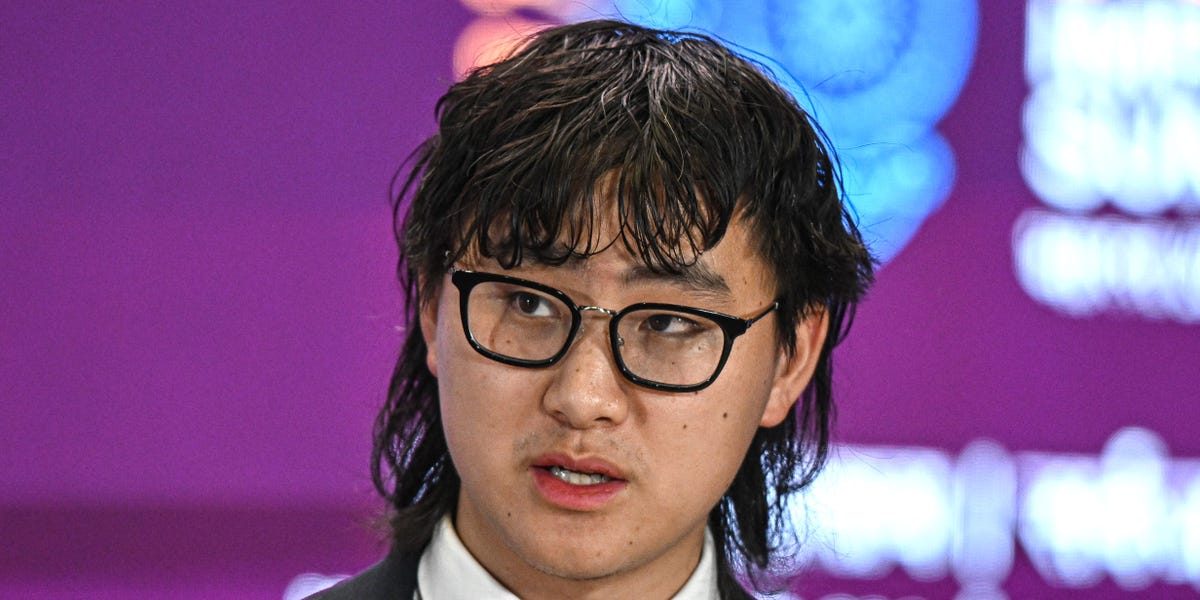
Meta's AI chief Alexandr Wang publicly claimed the company is closing the capability gap with OpenAI, Google and Anthropic, crediting massive investment in chips, data centers, and talent (including the Superintelligence Labs hiring spree). If accurate, it would be the clearest signal yet that Meta's models are approaching the frontier after a period widely seen as trailing.
The claim is aspirational and self-reported, so it deserves skepticism — but it dovetails with concrete product motion. Meta quietly launched 'Pocket,' an app (listed on iOS/Android since June 29 without a formal announcement) that lets users create, share and remix playable AI-generated mini-games called 'gizmos' from text prompts. Pocket likely stems from Meta's acquisition of the Gizmo team, ex-Snapchat engineers now inside Superintelligence Labs.
Strategically, Pocket fits Meta's pattern of shipping standalone consumer AI apps (Meta AI, Meta Vibes) that generate behavioral data to feed its models — a flywheel argument for why Meta could catch up: distribution plus data at consumer scale.
Competitive context: the catching-up narrative arrives the same week as Meta Compute, so Meta is simultaneously arguing it can both build frontier models and monetize infrastructure. Skeptics note that 'catching up' claims are cheap without third-party benchmarks, and Meta's closed-weight Muse Spark direction has already frustrated its open-source base. What to watch: independent evals of Meta's latest models and whether Pocket gets a real launch beyond its stealth listing.