Chinese open models Kimi K3 and DeepSeek spark another 'Sputnik moment'
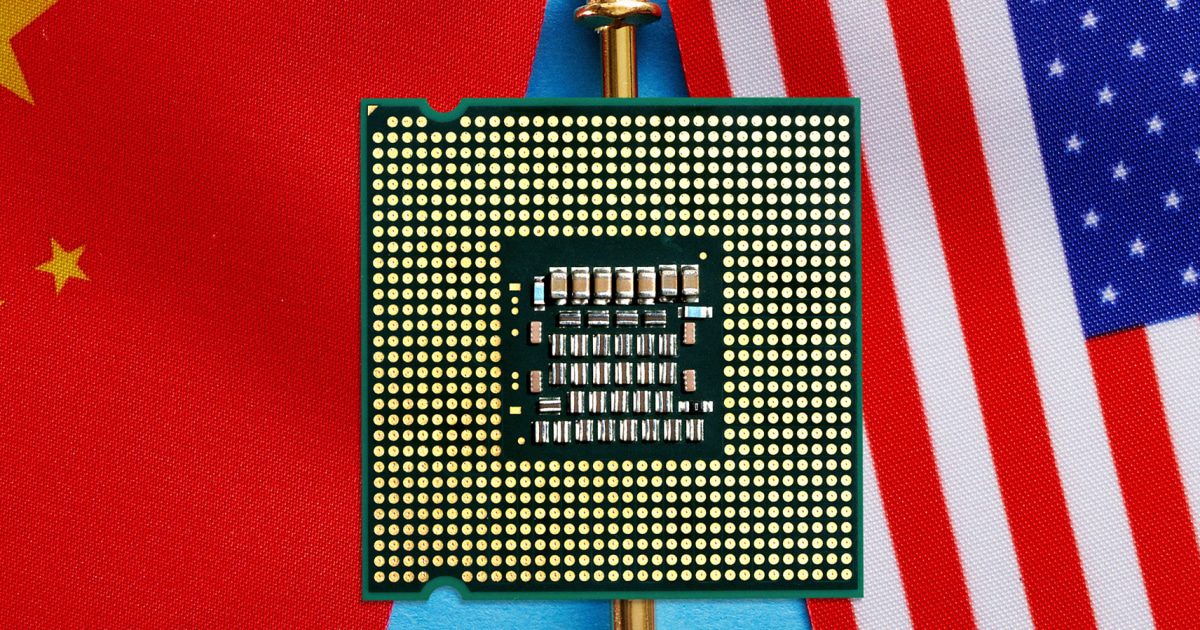
The Chinese open-weight surge is a defining theme of the week, and Moonshot AI's Kimi K3 is at its center. NBC News and The Verge reported that Kimi K3, an open-weight model, rivals OpenAI and Anthropic systems at a fraction of the cost — so much so that Moonshot had to suspend new subscriptions amid overwhelming demand. Commentators framed it as another 'Sputnik moment' for U.S. tech, reviving IP-theft accusations and existential hand-wringing about China's AI trajectory.
The policy dimension is escalating fast. Reuters reported China is weighing tighter export controls on AI models, chips, and crucially model weights for firms like Alibaba and ByteDance — a mirror image of U.S. chip restrictions, and a sign both governments now treat model weights as strategic assets. Simultaneously, U.S. startup founders lobbied the Trump administration NOT to shut off access to Chinese open-weight models (759 HN points, 672 comments), arguing that cutting off the best open models would harm American developers more than China.
The developer community is polarized. On r/LocalLLaMA, enthusiasm ran high ('The second K3's weights drop, I'm downloading the full FP16 and storing them in mattresses,' 304 upvotes), reflecting genuine excitement about cost-efficient open capability. Simon Willison noted Kimi K3, like GPT-5.6 and Fable, 'can just do' long-horizon problems without agent loop scaffolding.
The skeptical counterweight: 'Sputnik moment' framing recurs with every strong Chinese release and can be overhyped, and IP-theft claims remain largely unproven. But the combination of real capability, rock-bottom cost, and open weights is genuinely reshaping the agentic-coding market. What to watch: whether China's export-control deliberations actually restrict weight sharing, which would upend the open-weight momentum.