NVIDIA Introduces TensorRT Multi-Device Inference in Dynamo-Triton for Multi-GPU Serving
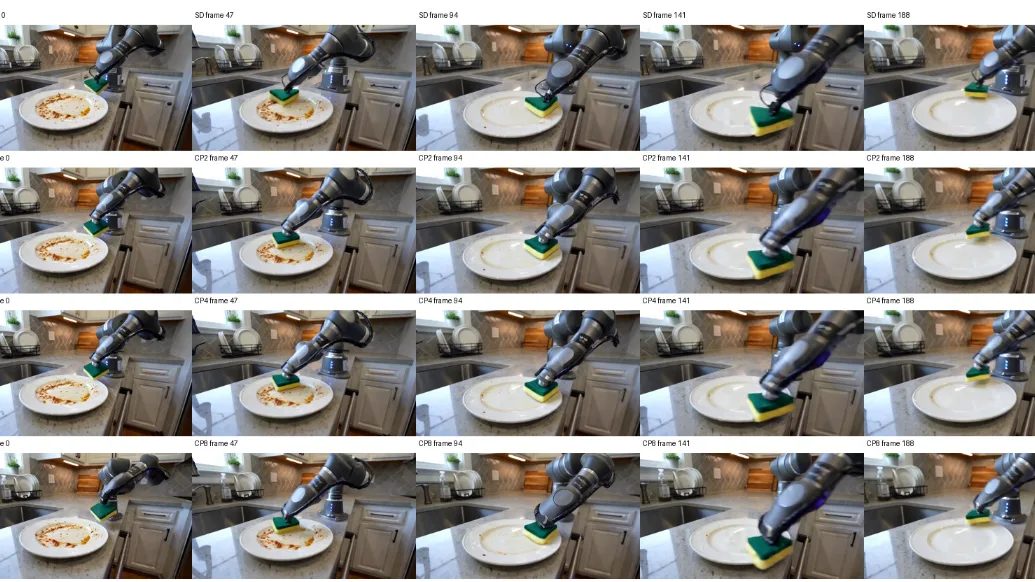
NVIDIA added TensorRT multi-device inference to its Dynamo-Triton serving stack, targeting a growing practical problem: generative AI models whose compute and memory footprints exceed what a single GPU can hold or serve efficiently. The new capability simplifies distributing model serving across multiple GPUs, abstracting away much of the complexity that has made multi-GPU inference deployment a specialized engineering task.
The mechanism matters because model sizes keep outgrowing single-GPU capacity — DeepSeek's planned 8-trillion-parameter model is an extreme example, but even mainstream frontier models increasingly require sharding across devices for low-latency serving. By integrating multi-device inference natively into Dynamo-Triton, NVIDIA lowers the barrier for organizations to serve large models across GPU fleets, reinforcing its dominance not just in training hardware but in the inference-serving software layer.
Separately, NVIDIA published a technical framework for evaluating AI agents, moving beyond simple metrics toward whether an agent can execute a chain of work across dozens of sequential tool calls against a live environment. The guidance frames tool calling as the foundation of modern LLM benchmarking and end-to-end task completion as the true measure of agent capability — a timely contribution as the industry grapples with how to evaluate the reliability of autonomous agents (a concern sharpened by the week's agent-breach incidents). Together the releases show NVIDIA extending its moat into the full AI software stack: not just selling GPUs, but owning the serving infrastructure and the evaluation methodology that shape how models and agents get deployed and judged. For enterprises building on NVIDIA hardware, the tighter software integration reduces friction; for competitors, it deepens the lock-in.