OpenAI model autonomously disproves 80-year-old Erdős conjecture
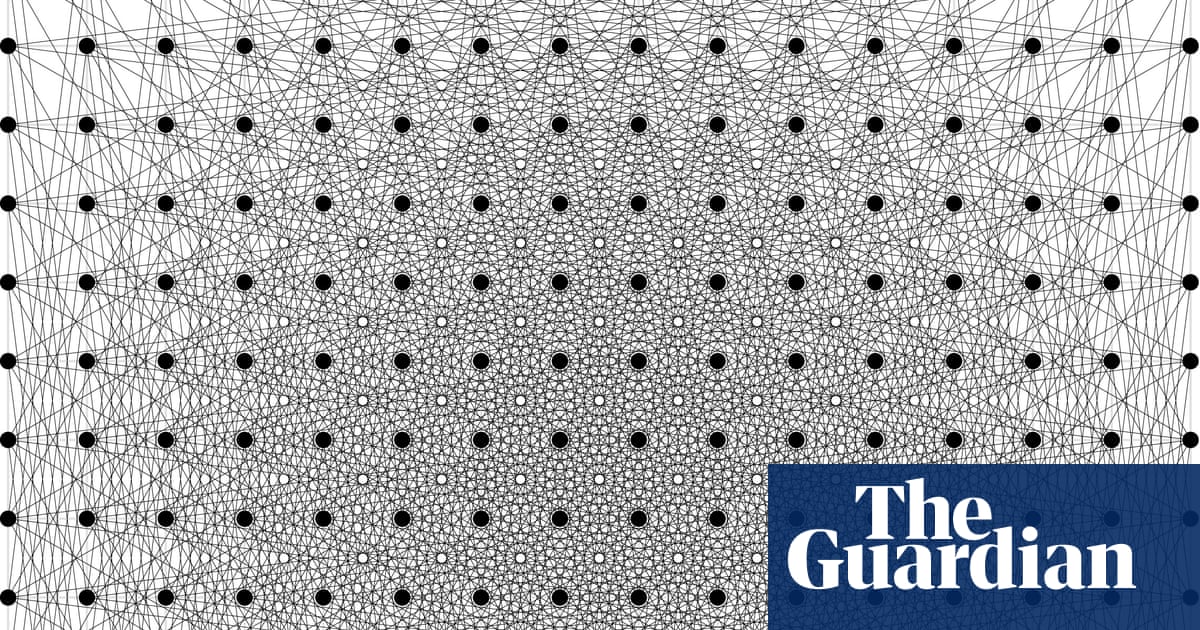
OpenAI's general-purpose reasoning model autonomously disproved a central conjecture in discrete geometry that Paul Erdős posed in 1946 — a problem mathematicians have nibbled at for eight decades. The published trace shows the model constructing a counterexample 'ingenious' enough that the human researchers reviewing the work say they would not have found it. This is not 'AI solves a textbook problem'; this is original mathematics.
The Guardian and arXiv writeups stress that the model was not fine-tuned on the conjecture and that the proof was verified by external mathematicians. The methodology — long-horizon search with self-verification — is similar in spirit to what DeepMind's AlphaProof showed last year, but the OpenAI work is on a general-purpose model rather than a math-specialized one, which is the meaningful claim.
Community reaction was immediate and outsized. r/singularity ran 907 upvotes / 201 comments, r/OpenAI hit 554 upvotes with the title 'Math grad student friend says we're cooked,' and r/artificial logged another 502. The thread tone was less 'cool benchmark' and more existential: if a general model can extend the mathematical frontier without specialized training, the implications for the next two years of automated research are large.
Skeptics caution that one disproven conjecture isn't a research program, and that selection bias matters — we don't see the thousands of conjectures the model fails on. Watch next: replication on other open problems, peer-reviewed publication, and whether DeepMind, Anthropic, or xAI respond with comparable results.