NVIDIA details speculative decoding for faster LLM inference via co-design
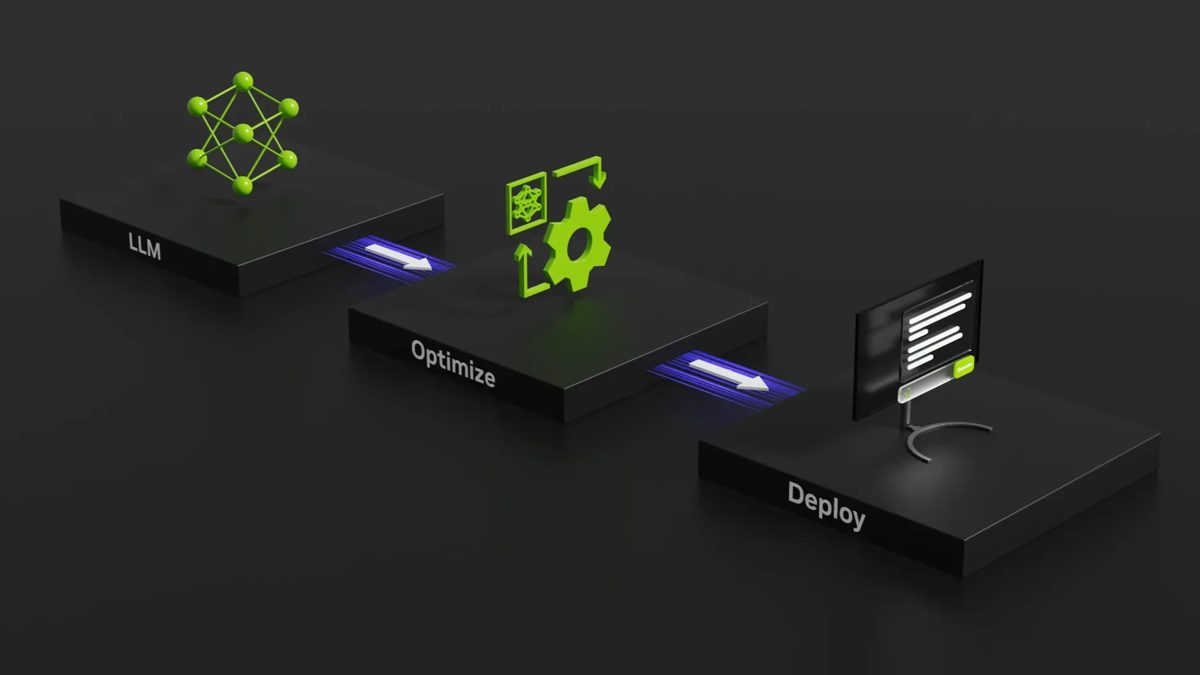
NVIDIA continued its AI model co-design series with a technical deep-dive on speculative decoding, a technique that speeds LLM inference without sacrificing output quality. The method pairs a small, fast 'draft' model that proposes multiple tokens with a larger 'target' model that verifies them in parallel — accepting correct guesses and rejecting bad ones — cutting latency by reducing the number of expensive sequential forward passes through the large model.
The co-design framing is the key idea: rather than treating the model and the serving stack as separate, NVIDIA advocates jointly designing model architecture and inference hardware/software to maximize throughput. This matters acutely as the industry ships frontier models at a roughly 11-day cadence and enterprises face rising inference bills — efficiency at the decode stage directly lowers cost-per-token, the metric price wars (Gemini Flash, Grok 4.6, Qwen) are fought on.
NVIDIA paired the post with a practical, step-by-step modern CUDA optimization walkthrough covering GPU-acceleration techniques underpinning scientific simulation and large-scale AI training, emphasizing hands-on tuning for developers. Together the posts reinforce NVIDIA's strategy of owning not just the silicon but the optimization know-how that extracts maximum value from it — deepening developer lock-in to the CUDA ecosystem. The material is developer-education rather than product news, but it signals where NVIDIA sees the efficiency frontier moving as inference, not just training, becomes the dominant cost center for AI deployment at scale.