Samsung forms CEO-led RX Robotics division for in-house humanoid robots
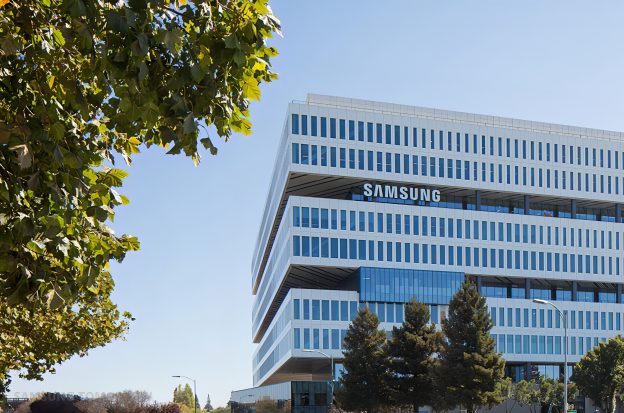
Samsung has reportedly worked on humanoid robots for years and has now elevated the effort into a CEO-led RX Robotics division. Its pitch rests on three advantages: proprietary manufacturing data from home-appliance and other production lines to train robot behavior, the in-house Samsung Gauss large language model for reasoning and language, and vertically integrated hardware.
The most concrete claim is cost: Samsung's appliance-scale actuator manufacturing could dramatically undercut the $500–$2,000 specialty actuators that dominate a humanoid's bill of materials, since motors and actuators are the single largest cost in current designs. That manufacturing leverage is the crux of Samsung's differentiation.
Competitively, the move puts Samsung against Tesla's Optimus, Figure, and a wave of humanoid startups, betting that scale-manufacturing and an in-house LLM can beat pure-play robotics firms on unit economics. It also extends the AI-embodiment theme beyond the week's model and compute news.
Because the effort has been quiet, details on timelines, prototypes, and target applications are thin, and skeptics will note that manufacturing prowess hasn't guaranteed robotics success for other conglomerates. Watch for a first public prototype, a target market (industrial vs. consumer), and whether Samsung Gauss is genuinely competitive for embodied control.