Simon Willison dissects ChatGPT Work: code execution, Codex billing, rumored 'Ultra' mode
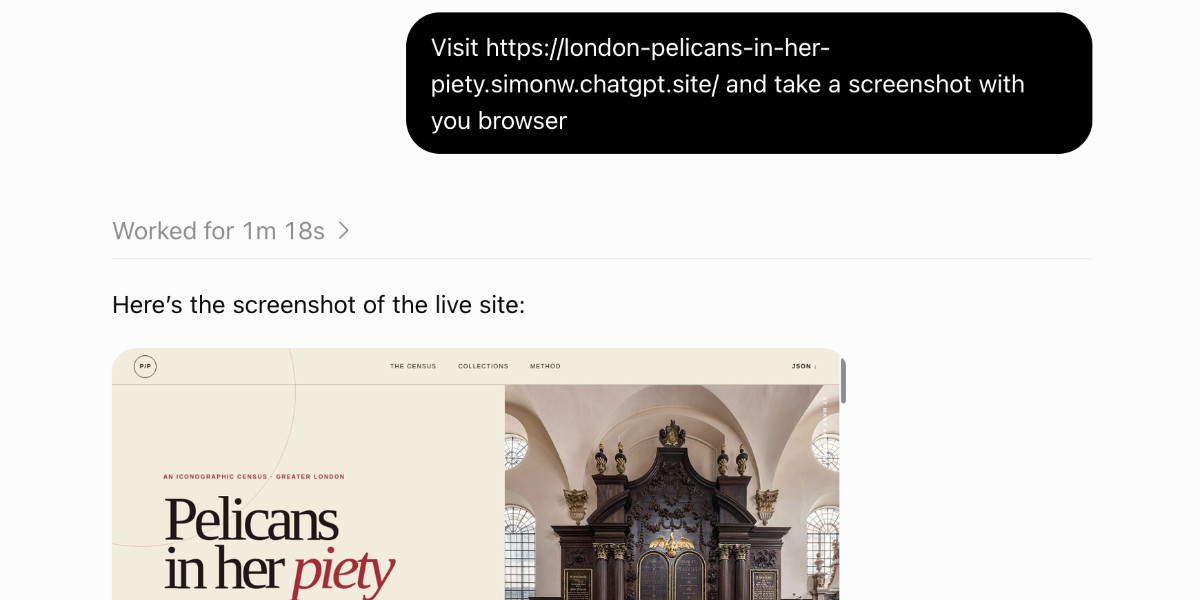
Independent AI commentator Simon Willison published a detailed analysis of ChatGPT Work, the enterprise product OpenAI has iterated rapidly since its July 9, 2026 announcement. He characterizes it as a powerful but complex product available via cloud or desktop application, whose core capability is code execution with internet access—an evolution of OpenAI's established Code Interpreter pattern, now with the ability to reach out to the network during execution.
The mechanics Willison surfaces are the interesting part: ChatGPT Work sessions are reportedly billed against a user's Codex allowance, tying enterprise usage to OpenAI's coding-agent economics, and a rumored 'Ultra' mode delegates tasks more readily to sub-agents—suggesting OpenAI is building toward multi-agent orchestration where a primary agent farms out subtasks.
This kind of granular, practitioner-level breakdown matters because OpenAI's own documentation tends to be sparse, and Willison—whose LLM cliché-highlighter tweet the same week hit thousands of likes—is a trusted independent voice whose analysis shapes developer understanding. His read gives enterprises a clearer picture of what they're actually buying and how it will be metered.
Competitively, ChatGPT Work is OpenAI's answer to Anthropic's enterprise Claude push and the broader agentic-workspace race (Microsoft Copilot's Cowork, Google's Managed Agents). Code execution with internet access is powerful but—as this week's agentic-security stories underscore—also risky. The caveat: 'reportedly' and 'rumored' flag that key details (Codex billing, Ultra mode) aren't officially confirmed. Watch for OpenAI's official documentation and whether the sub-agent delegation model ships as described.