Apple's rebuilt, Gemini-powered Siri ships this fall — only to Apple Intelligence devices
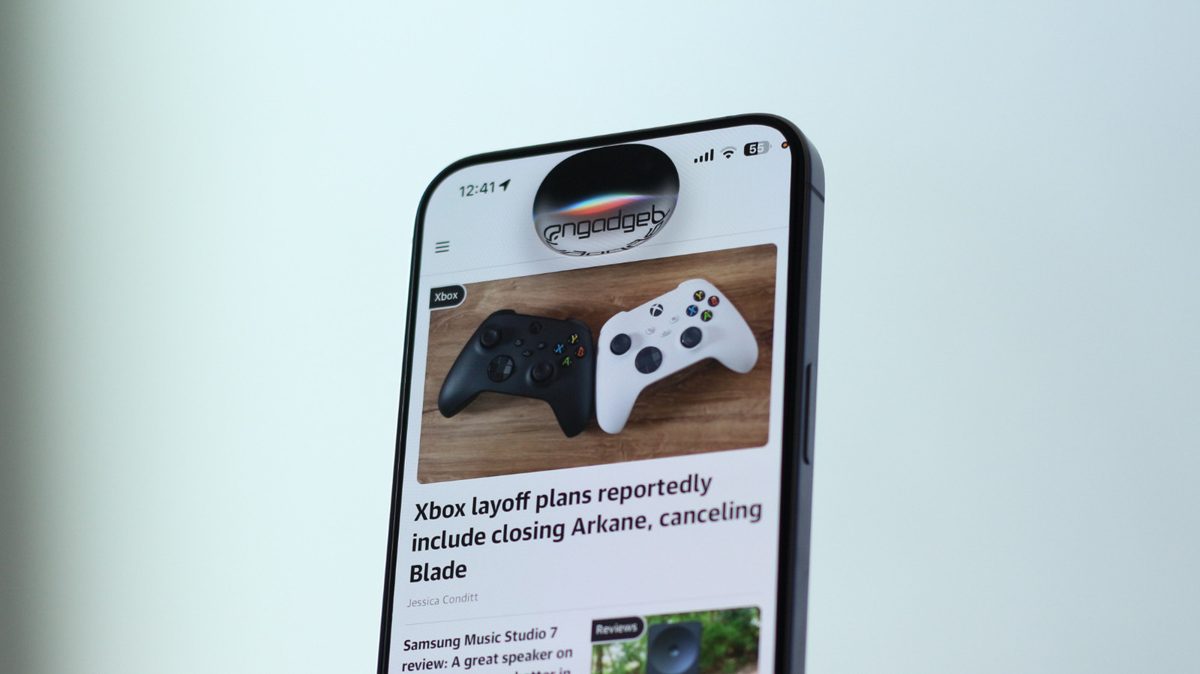
Apple confirmed that the long-promised, rebuilt Siri will arrive this fall only on Apple Intelligence-compatible hardware: every iPhone released since the iPhone 15 Pro, plus iPad and Mac models on Apple silicon (the 2024 iPad mini qualifies via the same SoC). The rollout is tied to iOS 27 and marketed heavily around the iPhone 18 Pro. Notably, the new assistant will ship first as an opt-in beta, echoing the iOS 27 developer-beta waitlist.
Under the hood, the new Siri blends Apple's on-device Foundation Models and Private Cloud Compute with Google's Gemini models, reportedly via a ~$1 billion annual partnership — a striking admission that Apple leaned on a rival's frontier model to make Siri finally useful. Engadget's hands-on found it genuinely capable of complex queries and chained commands, and it can now reference a user's notes, messages, emails and photos for personal context.
The device gating is also a commercial lever: Forbes notes the Siri lock-in helps justify iPhone 18 Pro price rises and protects margins. Apple simultaneously published research (see separate item) cautioning that multi-agent LLM teams can underperform single expert agents by up to 41.1%, hinting at its architectural conservatism.
Developer caution is real: as one put it, 'Siri is no longer a walled garden... latency, privacy labels, and fallback behavior matter as much as NLU accuracy,' with App Store review risk flagged for apps that omit cloud-AI disclosures. What to watch: the beta opt-in flow this fall and how Apple discloses Gemini's role to users.