NVIDIA unveils consumer PC AI chip and DLSS 4.5 Ray Reconstruction at GTC Taipei
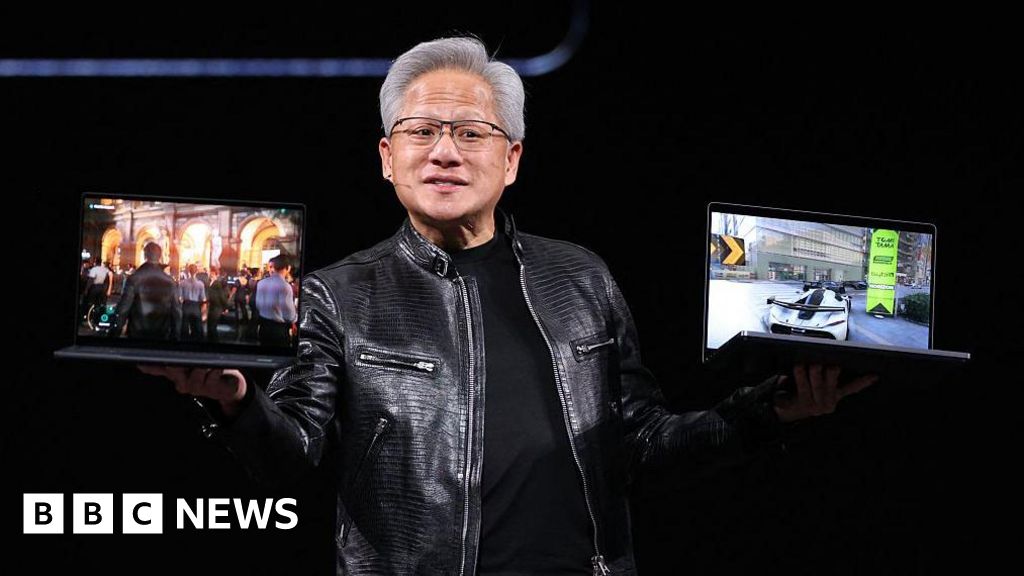
At GTC Taipei, NVIDIA paired its Cosmos 3 physical-AI launch with consumer hardware news: a new AI chip designed for personal computers, signaling NVIDIA's intent to embed AI acceleration directly into the consumer device market rather than confining it to datacenters and high-end workstations. The RTX Spark featured in Satya Nadella's framing of delivering 'unmetered intelligence to every home and every desk with Windows,' with Jensen Huang joining Build live from Taiwan.
NVIDIA also shipped DLSS 4.5 Ray Reconstruction, updated with a second-generation transformer model, now available across more than 1,000 RTX games and applications. The reception on r/nvidia was strong (419 upvotes on the DLSS 4.5 thread), and the company pushed an updated NVIDIA App build (v11.0.8.244) into beta.
The consumer angle matters competitively: as AMD, Intel and Apple integrate NPUs into mainstream silicon, NVIDIA is moving to defend the high-performance local-AI tier with both gaming-grade and AI-optimized parts. It also intersects with the week's hardware-economics anxiety — r/LocalLLaMA's 'Entire world: We need more GPUs' thread (1,280 upvotes) and DDR5 price spikes — where NVIDIA is simultaneously the bottleneck and the supplier of new capacity.
The spectacle drew its own buzz: Asus showed a special RTX 5090 with a curved AMOLED display and up to 800W power input (631 upvotes on r/nvidia). For readers, the practical question is whether NVIDIA's consumer AI chip meaningfully changes local inference economics, or whether GPU and memory shortages keep local AI a niche for well-resourced enthusiasts. Watch pricing and availability windows.