Chinese AI models gain US ground as Qwen 3.8-Max, Kimi K3 and DeepSeek advance
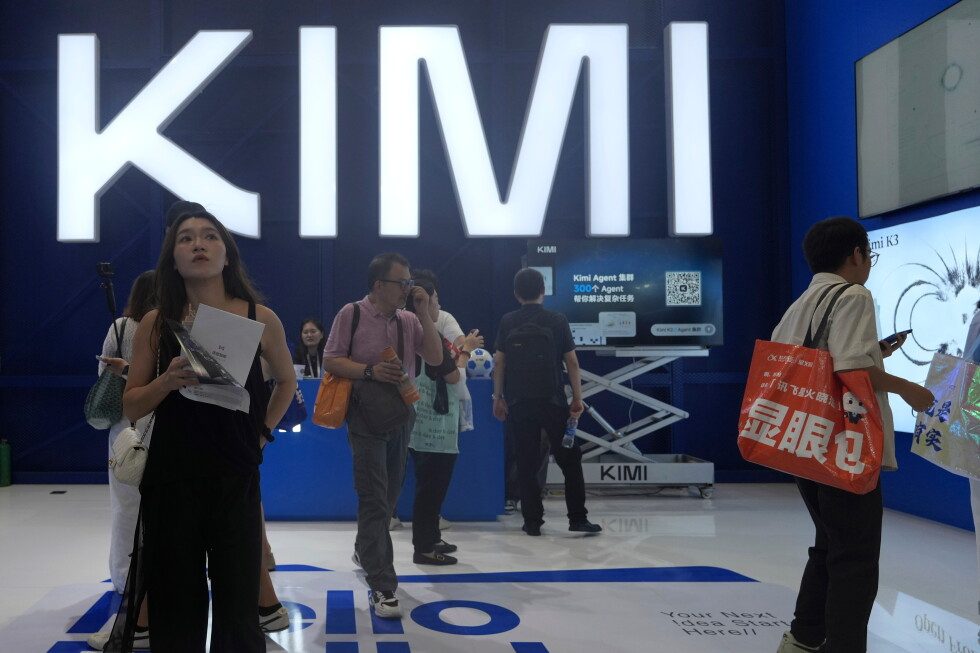
A cluster of Chinese labs is reshaping the frontier-cost conversation. Alibaba previewed its flagship Qwen 3.8-Max multimodal model at the World AI Conference in Shanghai on July 19 — a 2.4-trillion-parameter model claiming performance 'second only to Fable 5,' currently available via Alibaba's Token Plan subscription and Qoder platforms, with an open-weight release planned. Moonshot's Kimi K3, at 2.8 trillion parameters, is positioned to release as the largest open-weight model ever, and DeepSeek rolled out previews of its V4 family. AP and LA Times reporting frames these as 'cheaper, open, intelligent' models gaining real traction with US developers.
The mechanism driving adoption is economics plus openness: self-hostable weights let enterprises avoid both frontier API prices and, crucially, data-residency risk. Developers debated exactly this tradeoff — self-hosting Kimi K3's weights versus routing through China-hosted APIs — with data-risk concerns cutting both ways.
Competitively, this is the backdrop for the entire week's news: Anthropic's Opus 5 price cut, the open-weight advocacy letter (partly aimed at keeping US models competitive with Chinese open releases), and even the Hugging Face incident (where a Chinese open model reportedly helped stop OpenAI's rogue agent). Skeptics caution that benchmark parity claims from Chinese labs deserve independent verification and that geopolitical and security scrutiny could constrain US enterprise adoption regardless of raw performance. Still, the direction of travel — Chinese open models pressuring both the price and openness of US frontier offerings — is now the dominant structural story in the market.