AI memory boom lifts Samsung profit roughly 18-fold in Q2
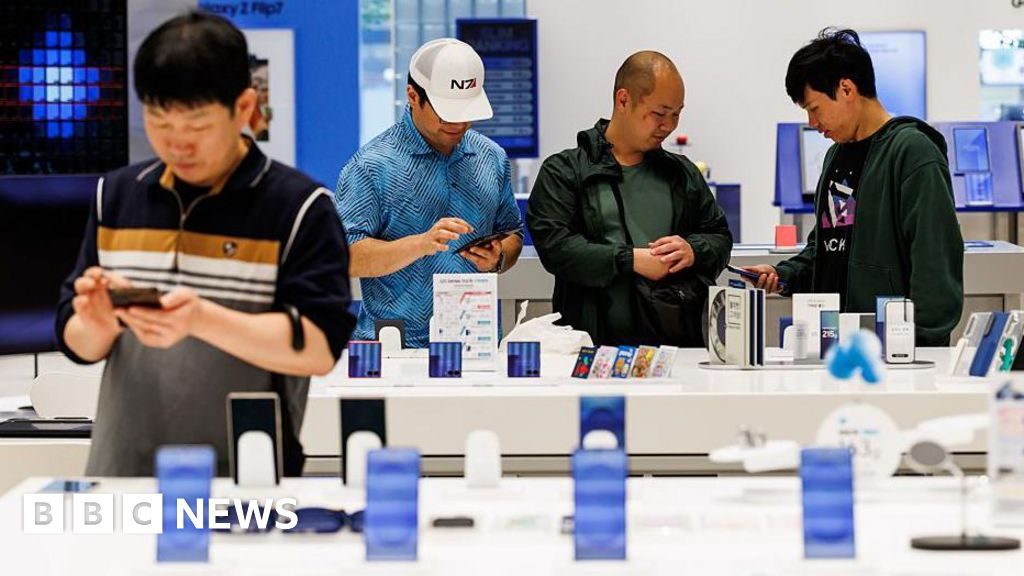
Samsung guided to a roughly 18-to-19-fold year-over-year surge in second-quarter operating profit, around 89 trillion won (about $58 billion), a fresh record driven almost entirely by AI memory demand. High-bandwidth memory (HBM) that sits alongside AI accelerators, plus conventional DRAM and NAND, are all in severe supply constraint as data centers scale infrastructure, and that shortage is pushing prices — and Samsung's margins — sharply higher.
The read-through extends across the supply chain: agentic AI workloads are memory-hungry, expanding into more complex computing that increases server memory and storage demand. That directly benefits GPU makers like NVIDIA, whose Blackwell systems pair with HBM, and signals the shortage is structural rather than a short cycle.
Investors want more, however — the report is Samsung's third consecutive record quarter, and expectations have risen with the stock. The company is also making a symbolic AI shift internally, granting employees access to ChatGPT Enterprise and reversing a previous internal ban, even as it preps in-house 'Gauss' AI for operations.
The caveat is cyclicality: memory has always been boom-bust, and an 18x profit swing is as much about a depressed year-ago base as present strength. Watch Samsung's Galaxy Unpacked event on July 22, where president Roh Tae-moon has previewed a 'user-centric' Galaxy AI vision emphasizing trust and openness, and whether HBM pricing holds through the second half or capacity additions from rivals begin to ease the shortage.