Anthropic adds invisible watermarks to Claude output; coders publish workarounds within hours
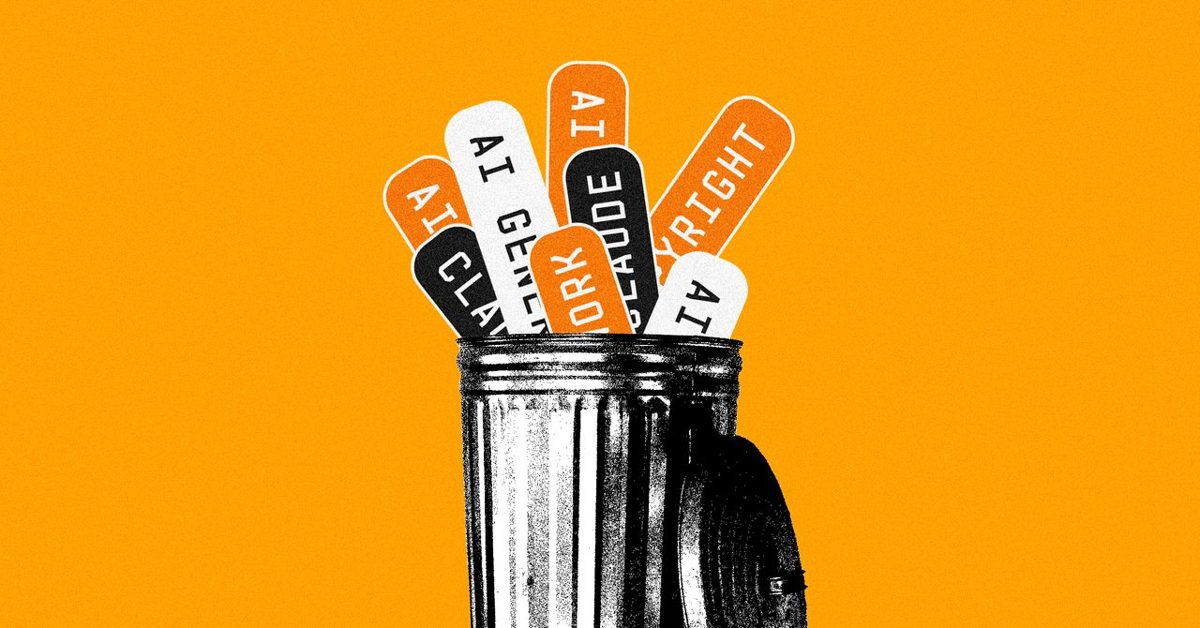
Anthropic announced that Claude models will globally embed invisible watermarks in AI-generated text and files, embedding machine-detectable signals without visibly altering the output. The move is explicitly framed as compliance with new EU regulations including the EU AI Act's provenance and transparency requirements, and aligns with C2PA-style content-authenticity standards. The watermarking is being rolled out across Claude's output surfaces.
The technical approach for text watermarking typically biases token selection in statistically detectable but semantically invisible ways, letting Anthropic (and, via a detector, third parties) verify that a passage was Claude-generated. For files and images, provenance metadata and embedded signals travel with the artifact.
The rollout immediately collided with reality: within four hours of Anthropic confirming the feature, developers were publicly sharing overrides to strip the watermarks. That echoes a long-running critique of AI text watermarking—paraphrasing, translation round-trips, and light editing can degrade or remove the signal, and open techniques for defeating it spread fast. The episode reignited debate over whether EU-mandated watermarking is technically enforceable at all, or whether it mainly provides a compliance checkbox and a signal for good-faith actors.
Competitively, the timing is pointed: OpenAI simultaneously pitched enterprises on NOT retaining customer data as a privacy differentiator against Anthropic, and Claude Code lead Boris Cherny noted Mythos-class models require additional safety measures with customers owning their own data, 'coming this fall.' Watch whether Anthropic responds to the workarounds with detector hardening, and whether EU regulators treat trivially-strippable watermarks as sufficient compliance.