Apple reverses course to train Apple Intelligence on opt-in Siri conversation data
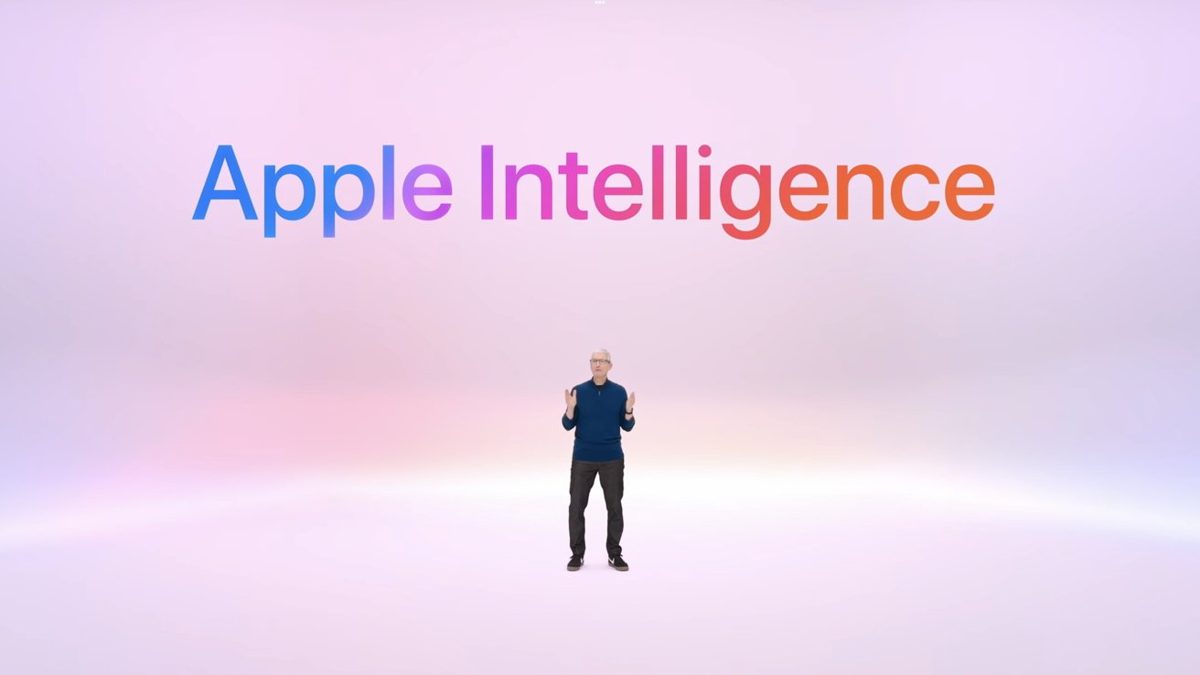
Buried in the iOS 27 launch is a meaningful policy shift: Apple has altered course to allow Apple Intelligence to train on users' Siri conversation data, provided they opt in. For a company that has spent years marketing privacy as a core differentiator — famously resisting the data-hungry training practices of rivals — permitting model training on assistant conversations, even on an opt-in basis, is a strategic concession to the reality that competitive assistants require large volumes of real interaction data to improve.
The mechanics matter: this is opt-in rather than default, and it applies specifically to Siri conversation data used to refine Apple Intelligence. That framing is designed to preserve Apple's privacy narrative while still unlocking the feedback loop that has powered rivals' rapid iteration. It arrives precisely because Siri has lagged — Apple needs real usage signal to close the quality gap with cloud-scale assistants.
The move sparked immediate data-consent discussion across the community, with critics noting the tension between Apple's marketing and its new data appetite, and others arguing opt-in consent is exactly the responsible model. It also lands amid an industry-wide reckoning over data provenance, from Anthropic's report of mass unauthorized Claude distillation to Alibaba's alleged data-theft claims.
What to watch: how prominently Apple surfaces the opt-in choice, whether default settings nudge users toward consent, and whether regulators — already scrutinizing AI training data — treat opt-in Siri training differently from competitors' broader scraping.