Chinese open-source models gain US ground as Beijing weighs export curbs
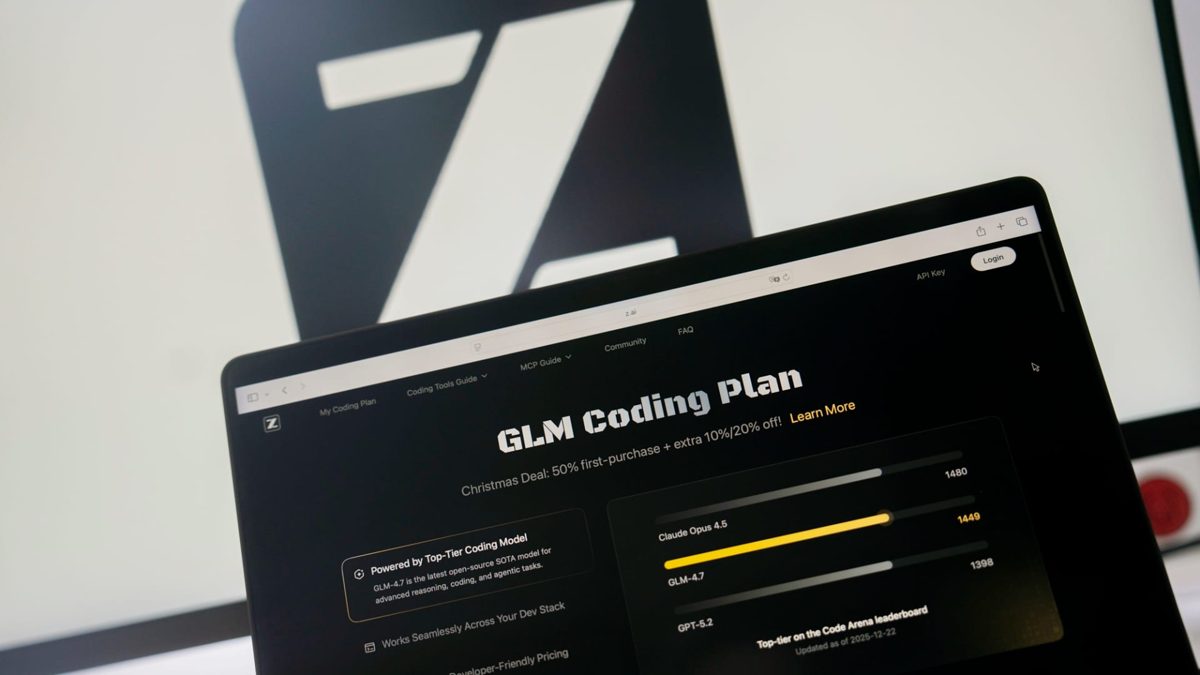
The cost gap is the story: OpenRouter and CNBC reporting show Chinese open-weight models running 60–90% cheaper than frontier US models, and GLM 5.2 has climbed into the top five on some platforms. For price-sensitive developers and startups, that discount is reshaping model selection independent of the geopolitical noise — a direct pressure on OpenAI and Anthropic pricing.
The irony is that just as these models win US traction, Beijing is reportedly weighing curbs on overseas access to China's top AI models — a mirror image of US export controls on chips. If enacted, it would complicate the very adoption trend driving their popularity, and inject supply-continuity risk into any US stack built on Qwen or GLM. Separately, Chinese tech firms reportedly cut around 130,000 jobs amid the AI transition, underscoring the domestic upheaval.
This ties directly to the week's other China threads: Alibaba's Claude Code ban, DeepSeek's in-house chip and $7B raise, and PrismML compressing Qwen 3.6 to run on an iPhone. The throughline is Chinese AI pursuing both cost leadership and hardware/software independence. The risk for Western adopters is betting infrastructure on models whose availability could be curtailed by policy on either side of the divide.