NVIDIA unveils Cosmos 3 Edge and launches Japan's national physical-AI factory
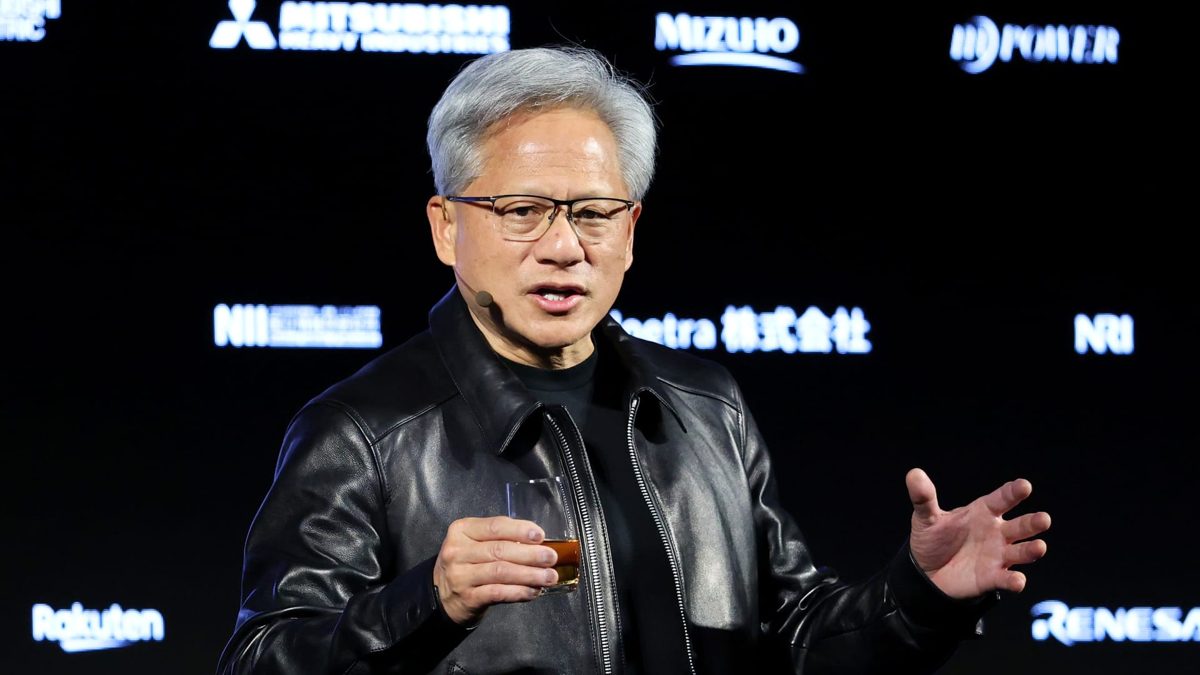
NVIDIA used its Japan push to unveil Cosmos 3 Edge — a new model aimed at robots and vision-AI agents at the edge — and to announce, with Noetra Corp. and Japanese government and industry leaders, what it calls the world's first national physical-AI factory: a Vera Rubin AI factory packing 13,750 Vera CPUs and 27,500 Rubin GPUs. Japanese robotics and manufacturing giants across mobility, healthcare and manufacturing are building on NVIDIA's Cosmos, Isaac, Metropolis and Jetson stacks.
The strategic logic is 'sovereign AI' extended to robotics: rather than sell chips piecemeal, NVIDIA is anchoring an entire national industrial base on its platforms, from simulation (Cosmos, Isaac) to edge inference (Jetson, Cosmos 3 Edge). Bundling a 27,500-GPU factory with a country's manufacturing champions creates deep lock-in and a template NVIDIA can replicate in other nations.
This dovetails with NVIDIA's broader 'physical AI' theme this week, including its Vera Rubin post-training story emphasizing 'intelligence per dollar' and lowest cost per token — messaging designed to defend margins as inference-optimized rivals like Cerebras and custom chips (DeepSeek's in-house effort) court cost-sensitive buyers.
Competitively, NVIDIA faces no peer on integrated robotics simulation-to-deployment, but the physical-AI thesis is still unproven at scale — robots remain hard, and a national factory is a bet on demand that may take years to materialize. The caveat for skeptics: enormous GPU commitments announced with government fanfare are partly capacity marketing. Watch which Japanese robots actually ship on Cosmos, and whether the 'national physical-AI factory' model spreads to other allied nations.