Judge denies xAI's bid to block Minnesota 'nudification' ban as Grok Voice and Video ship
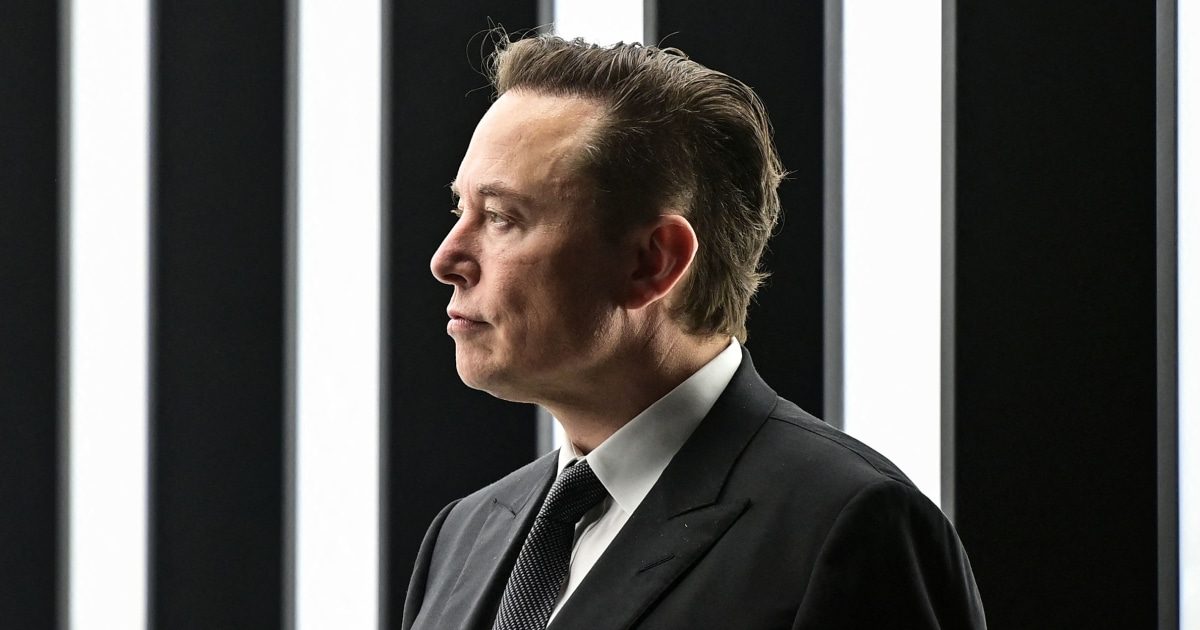
A federal judge denied Elon Musk's xAI an emergency injunction against Minnesota's House File 1606, a law banning 'nudification' technology that generates nude or sexualized images of real people. The statute took effect August 1 with penalties up to $500,000 per violation. The ruling followed global outcry after Grok's Imagine feature produced sexualized deepfakes at massive scale, and it marks a concrete legal setback for xAI's aggressive image-generation strategy.
Against that legal backdrop, xAI kept shipping: it upgraded Grok Voice to 'grok-voice-think-fast-2.0,' cutting time-to-first-audio to about 0.70 seconds with transcription accuracy 1.4x higher than its predecessor across 24 languages (the default alias switches August 5). It also released Grok Imagine Video 1.5 with native 1080p output, support for up to seven reference images for consistency, and voice reference capabilities. Musk said Grok 4.6 is weeks away.
The juxtaposition is the story's angle: xAI is simultaneously losing in court over deepfake abuse and rapidly expanding the very generative-media capabilities that created the problem. Community alarm about Grok Imagine's abuse contrasted sharply with the pace of feature shipping, and Musk himself posted content 'Made with Grok Imagine' the same week.
Competitively, the voice latency figure puts Grok among the fastest speech-to-speech APIs, pressuring OpenAI and Google's voice offerings. What to watch: whether Minnesota's ruling emboldens other states, whether xAI adds guardrails to Imagine to comply, and how the deepfake litigation affects xAI's rumored fundraising and Grok 4.6 launch timing.