OpenAI previews GPT-5.6 in three tiers — Sol, Terra and Luna — with an 'ultra' multi-agent mode
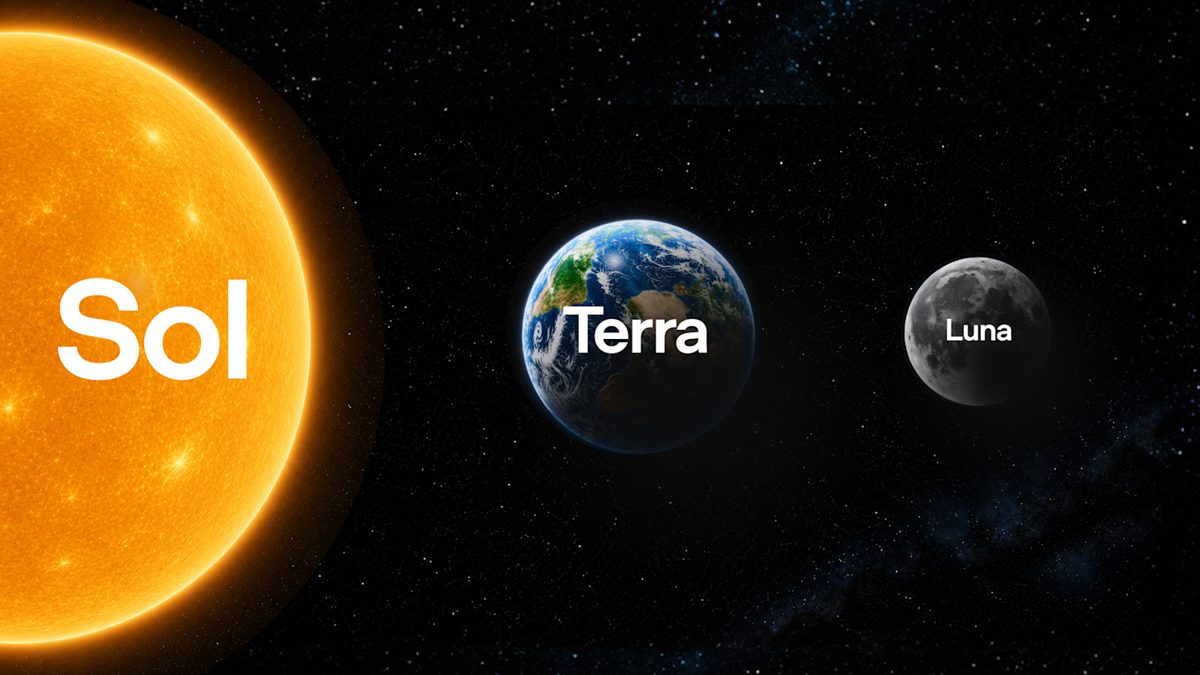
OpenAI's June 26 preview of GPT-5.6 introduced a clear three-tier lineup — Sol as the flagship, Terra as the balanced mid-tier, and Luna positioned as fast and affordable — a structure that mirrors how rivals segment models by cost and capability. The headline technical addition is an 'ultra' mode that decomposes a task and splits work across sub-agents, alongside additional reasoning options, reflecting the industry's broad shift toward agentic, multi-step execution rather than single-shot answers.
OpenAI emphasized gains in coding, science and cybersecurity, and pointedly shipped the model with what it describes as its most advanced safety stack — a framing that is inseparable from the regulatory backdrop. The cybersecurity-capability emphasis is precisely what drew government scrutiny and the subsequent staggered-access arrangement covered separately.
Competitively, GPT-5.6 lands the same week as Anthropic's Mythos 5 / Fable 5 reinstatement saga and amid Marc Andreessen's claim that China's GLM-5.2 is the 'first Chinese AI model to match and often beat' US public models 'with no compromises.' That juxtaposition sharpens the stakes: US frontier launches are being gated by Washington at the very moment open and Chinese alternatives are closing the quality gap.
The community reaction was enormous — the Sol preview topped Hacker News with 1,105 points and 722 comments and resurfaced across multiple subreddits. The caveat readers should watch is access: this is a preview, not a broad release, and the model's real-world availability is governed by the separate government-approval process. Until independent benchmarks and broad availability arrive, the capability claims remain OpenAI's own.