China flags Claude Code 'backdoor' as Alibaba bans it, mandating in-house Qoder
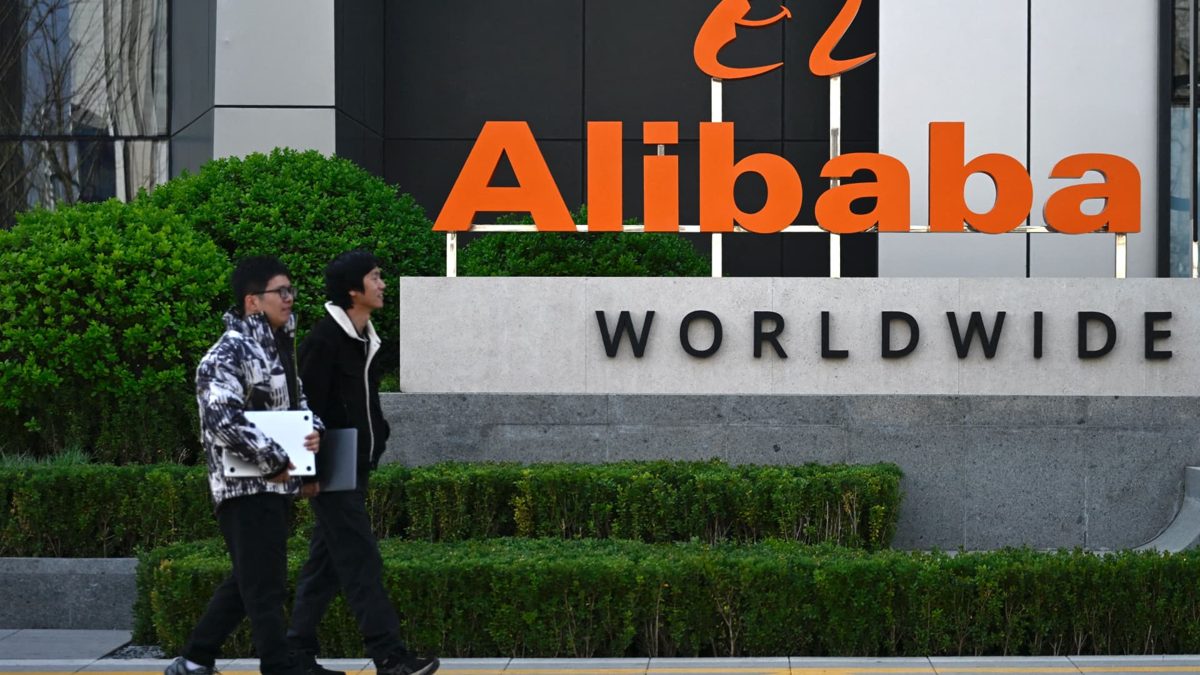
The China trust flashpoint escalated this week as a cybersecurity platform operated by China's industry ministry issued a formal 'backdoor' security alert over Anthropic's Claude Code, and Alibaba announced on July 6 it would ban employees from using the tool starting July 10, adding it to a high-risk software list. Employees must uninstall Anthropic tools and switch to Alibaba's in-house Qoder. Reuters reported the ministry alert on July 8.
The technical substance is contested. Reverse-engineers, in a widely-shared dev.to post ('Claude Code's China detector is the wrong kind of security control'), documented obfuscated Unicode steganography that allegedly tracks Chinese proxies and timezones — apparently an anti-distillation or geo-compliance mechanism. Developer consensus in the thread was that the method 'violated trust more than intent,' and that Anthropic's anti-distillation explanation fell short. The story sparked intense debate about vendor trust, sovereignty, and hidden telemetry in AI dev tools.
The context matters: this arrives amid US-government-mandated staggered rollouts of both Anthropic and OpenAI models, and a broader decoupling of the US and Chinese AI stacks. Alibaba separately discontinued Qwen AI-agent customization to comply with new Chinese regulations, and pulled AI companions as China tightens rules. For Anthropic, losing a customer the size of Alibaba is less material than the reputational hit — a frontier lab caught embedding covert tracking undermines the trust argument that's central to its enterprise pitch. The episode crystallizes a theme: as AI coding tools embed deeper into enterprises, hidden mechanisms and geopolitical fault lines become first-order procurement risks, not footnotes.