Nvidia unveils Rubin HPC GPU with 50,000+ CUDA cores at Supercomputing '26
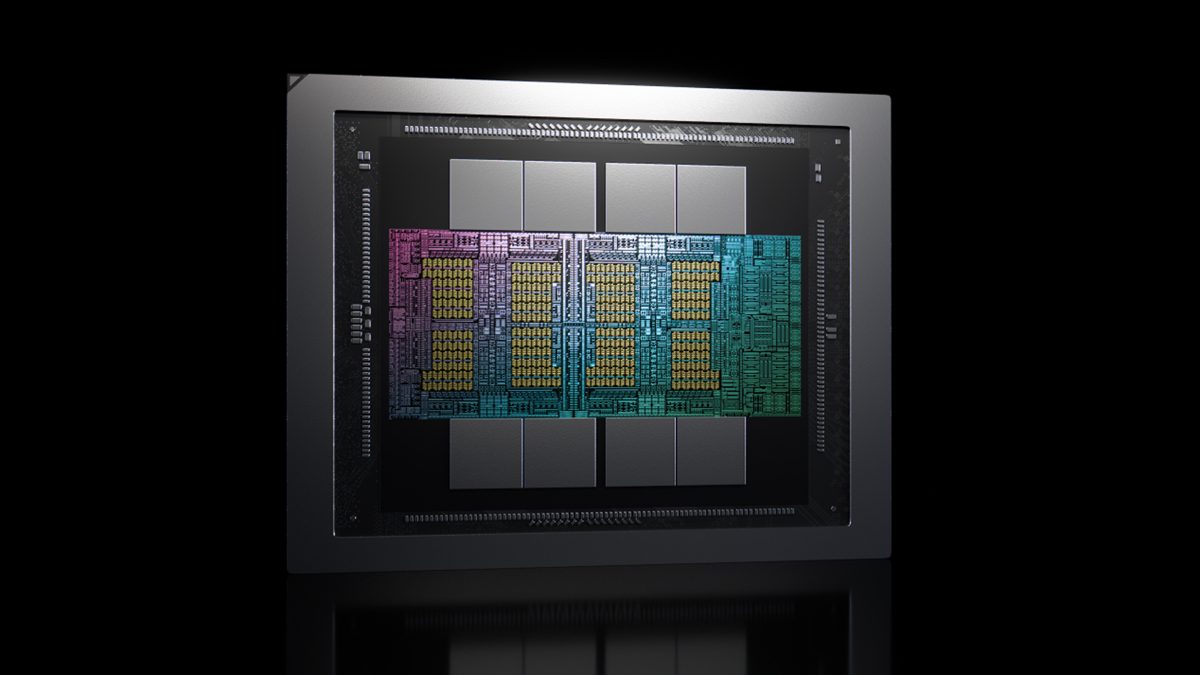
At Supercomputing '26 in Chicago, Nvidia launched Rubin HPC, a variant of its Vera Rubin platform aimed at scientific simulation and large AI workloads. Network World reports the GPU carries more than 50,000 CUDA cores on a single die. It also adds seventh-generation NVLink for scale-up interconnect and hardware acceleration for sparse data, which is common in simulation and recommendation workloads.
The design reflects Nvidia's effort to cover both traditional high-performance computing (HPC) and 'AI factory' buyers with one platform. Rubin HPC integrates with NIM microservices and the NeMo agent stack, so labs and enterprises can run simulation and AI pipelines on the same system. The SC venue matters: national labs and research centers buy accelerators on multi-year cycles, and Nvidia is defending ground against challengers.
That competition was visible the same week. Intel shared first benchmarks for its Crescent Island 'D270' GPU, claiming 5.9x throughput over the RTX PRO 6000 with a heavy FP64 focus, and the thread drew 414 upvotes on r/LocalLLaMA. FP64 double-precision math is exactly where HPC buyers judge chips.
Caveats: the launch comes during an unusually turbulent week for Nvidia's leadership and export policy, covered in separate stories here. Availability dates, pricing and FP64 numbers were not detailed in the sources. Watch for supercomputer contract wins and independent HPC benchmarks.