Google's Gemini delay exposes internal coding stumbles and team clashes
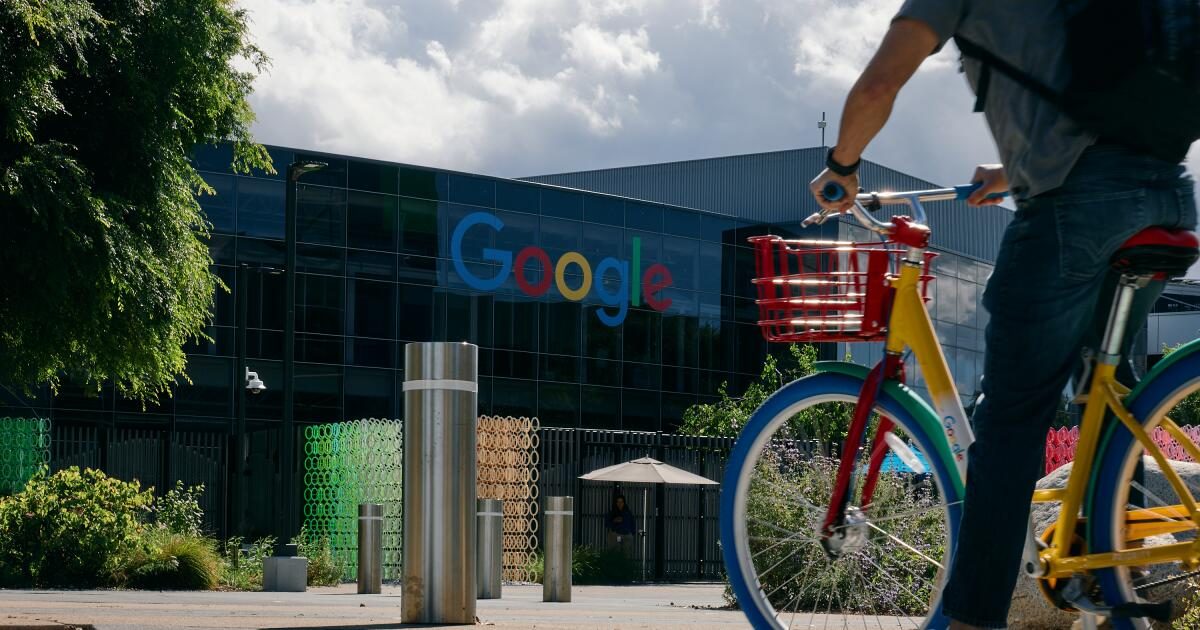
A Los Angeles Times investigation exposed the messy internals behind Google's delayed Gemini launch: coding stumbles, clashing teams and frustrated engineers. The report says both OpenAI and Meta recently shipped models that outpace Google's current offerings on AI code generation, and that the delay adds to a growing market narrative — echoed in a CNBC segment — that Google is falling behind in the very race it helped start.
Organizationally, Chief AI Architect Koray Kavukcuoglu is working to unite Google's fragmented internal AI coding tools, while a separate DeepMind team led by Sebastian Borgeaud tackles AI coding directly. The fragmentation itself is part of the problem: engineers reportedly complained about duplicated effort and unclear ownership across the AI coding stack, a structural drag that a company Google's size struggles to unwind quickly.
On the product side, Google is pressing ahead with commercial moves: tiered Gemini pricing and a rebrand of NotebookLM to Gemini Notebook with Drive sync, folding the popular research tool deeper into the Gemini brand. There is also a structural shift toward Google's own inference chips to control costs — a bet that vertical integration on silicon can offset its model-quality gap.
The skeptical context: Google still commands enormous distribution through Search, Android and Workspace, so a delayed model is not existential. But the week's contrast is stark — as Moonshot ships Kimi K3 and OpenAI ships ChatGPT Work, Google is explaining a delay. Keras creator François Chollet, a Googler, offered a longer-view counterpoint this week, arguing training and inference will eventually become 'incredibly cheap,' resetting today's competitive assumptions.