OpenAI AI tools diagnose 18 children with previously undiagnosable rare diseases at Boston Children's
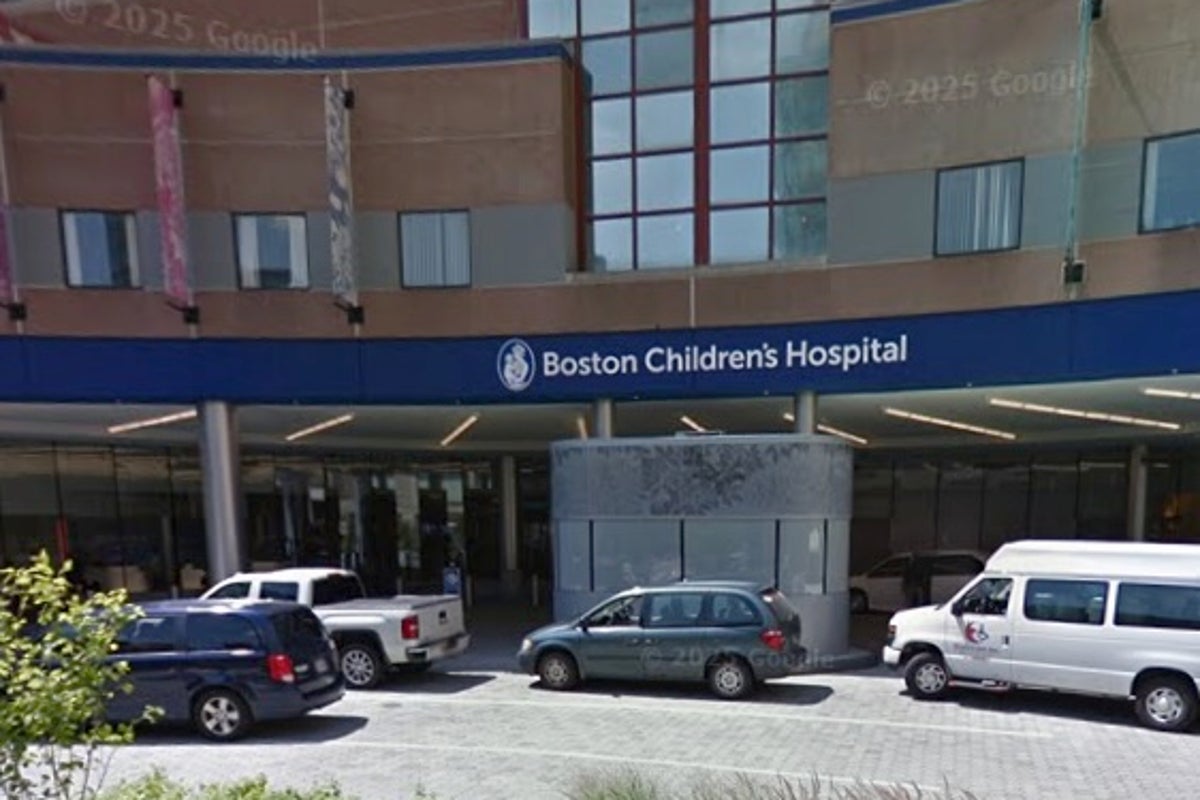
OpenAI leaned into AI-for-science with two concrete medical results. In a study published in NEJM AI, researchers at Boston Children's Hospital's rare-disease center used AI tools to identify new diagnoses for 18 children who had previously gone undiagnosed—among them 10 with rare neurodevelopmental diseases and four with neuromuscular disorders. Clinicians described the impact as a 'total game changer' for compressing the often years-long diagnostic odyssey families face with rare conditions.
Separately, OpenAI reported that GPT-5 Pro helped immunologist Derya Unutmaz resolve a three-year-old puzzle about T-cell behavior, offering insights that could support cancer and autoimmune research and illustrating the model's role as a scientific reasoning partner rather than just a writing aid.
The announcements land amid a broader narrative about AI accelerating discovery—NVIDIA's BioNeMo Agent Toolkit and Google DeepMind's research deals point the same direction—but the rare-disease result is notable for being a peer-reviewed clinical outcome with named patients helped, not a benchmark or demo. That distinction matters for credibility in medicine, where hype routinely outpaces evidence.
What to watch: skeptics will want the diagnostic rate contextualized (how many cases were attempted, false-positive risk, and how AI suggestions were validated by clinicians). Yann LeCun amplified a cautionary counterpoint this week—citing Eric Topol that AI is unlikely to 'cure cancer anytime soon'—a reminder that reasoning assistance in diagnosis is a different, more tractable claim than therapeutic breakthroughs. Still, a NEJM AI publication is a meaningful marker of clinical seriousness for OpenAI's science push.