US DHS bans DeepSeek products, including third-party tools built on them, across federal civilian agencies
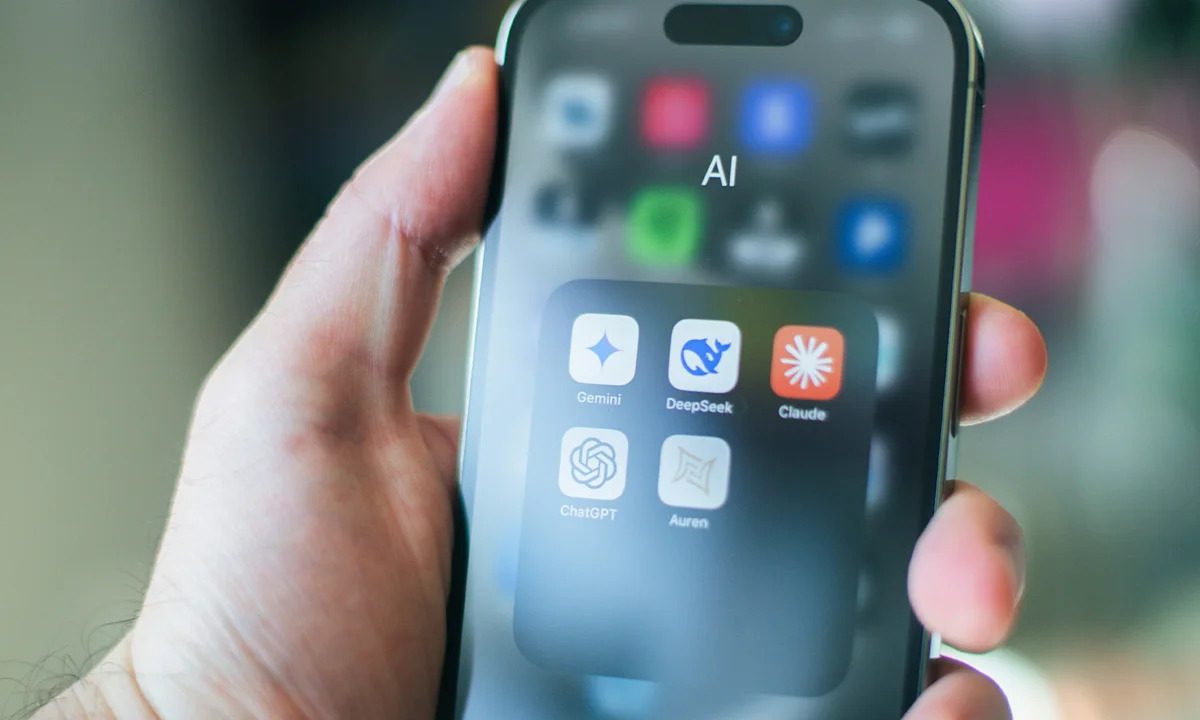
The DHS order goes further than earlier ad hoc restrictions on DeepSeek's chatbot app. By covering third-party tools built on DeepSeek models, it reaches into the supply chain. Any vendor selling software to federal civilian agencies will now need to verify that no DeepSeek model sits underneath their product. That is a compliance burden for the many startups using cheap open weights such as V4.1 Flash.
The practical effect is a provenance requirement. Agencies and contractors will need model inventories, and open-weight derivatives and fine-tunes complicate that because a model's lineage is not always declared. Expect procurement language asking vendors to attest to model origins.
The order lands as DeepSeek moves in the opposite direction internationally. Chinese state media reported this week that DeepSeek and MiniMax won approval for global deployment, and the company reportedly raised about $15B. DeepSeek's latest V4.1 Flash revision cuts hardware needs dramatically, which makes it attractive to builders and harder to exclude in practice.
The broader context is open-weight geopolitics. Analysts frame DeepSeek V4-Pro and Kimi K3 as strategic levers for China, and US policy is now responding at the application layer rather than only through chip export controls. Watch whether defense agencies or states adopt matching rules, and whether major US cloud marketplaces delist DeepSeek models for government regions.