Sergey Brin takes hands-on control of Gemini as DeepMind reorganizes
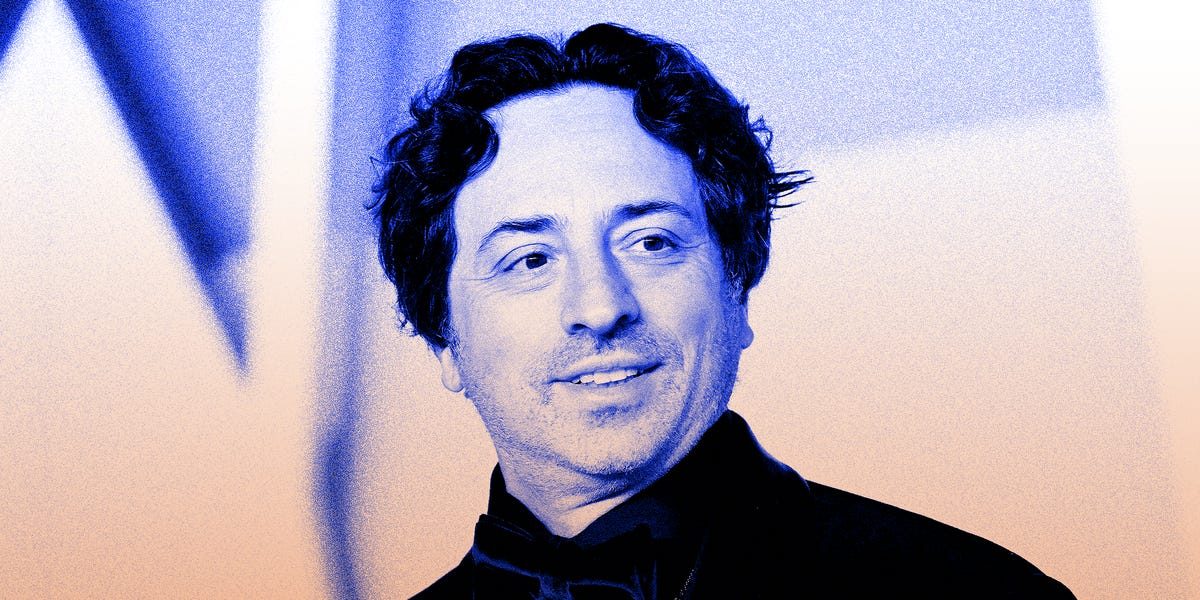
Per Business Insider and Mashable, Brin's return to day-to-day AI work signals urgency at the top of Google as it fights to stay in the frontier race. The August reorganization was described as a win for Google's technical/product side and a further erosion of DeepMind's independence: Hassabis became chairman of Google DeepMind and Alphabet chief scientist, Kavukcuoglu took over leading the lab, and Google rehired Barret Zoph, a Thinking Machines Labs cofounder — a notable talent recapture.
The glaring gap is product: Gemini 3.5 Pro, reported by Bloomberg as imminent, still hasn't shipped, leaving Google without a clear frontier answer to GPT-6 Astra and Claude Opus. Ethan Mollick argued that Google 'not having a frontier model anymore' means missing contributions in two areas where it's uniquely positioned — the recent run of AI-driven math breakthroughs and cybersecurity — given its compute and scientific depth.
User sentiment isn't helping: an r/GoogleGemini thread asked 'Why has Gemini become so useless lately?' (98 upvotes), reflecting perceived regressions even as Google touts research like pose-controlled documentary reconstruction from DeepMind. The combination — a founder personally intervening, a leadership reshuffle, aggressive rehiring, and a missing flagship — paints a company scrambling to regain momentum.
Competitively, Google retains structural advantages (TPUs, data, distribution across Search/Android/Workspace) but is visibly behind on the model-capability narrative this week, overshadowed by OpenAI's Astra, DeepSeek's efficiency and Meta's Muse. Watch for a Gemini 3.5 Pro launch date, whether Brin's involvement accelerates it, and how the reorg affects DeepMind's research output.