Azure AI News
Every AI news story AI Briefing has published about Azure — 134 articles spanning Apr 4, 2026 – Sep 19, 2026. Track Azure's model releases, research papers, product launches, funding rounds, and partnerships across the AI industry, updated daily.
134 articles · Apr 4, 2026 – Sep 19, 2026
Microsoft patches maximum-severity CVSS 10.0 Azure AI Foundry flaw
Microsoft deployed server-side fixes for 18 vulnerabilities across Azure and Copilot, including a maximum CVSS 10.0 flaw in Azure AI Foundry (CVE-2026-85889) enabling unauthenticated privilege escalation. Additional CVSS 10.0 issues affected Azure Billing and Microsoft Fabric. The fixes require no customer action since they are server-side, but the security community stressed monitoring privileged identities.
2026-09-19

Microsoft's September Patch Tuesday fixes three max-severity Azure identity flaws
Microsoft's September 2026 Patch Tuesday addressed 964 CVEs — its largest volume ever — including three critical Azure identity bugs: CVE-2026-83711 (CVSS 10.0) in Azure AD B2C, CVE-2026-70352 (CVSS 10.0) in Azure AI Language, and CVE-2026-83941 (CVSS 9.9) in Entra ID. All were fixed server-side. Microsoft also disclosed Azure surpassed $100 billion in annual revenue.
2026-09-18

Open-Weight Developer Arcee AI Reaches $1B-Plus Valuation With Series B
Open-weight AI model developer Arcee AI raised an undisclosed Series B lifting its valuation above $1 billion, led by Vista Equity Partners, Cambium Capital, and Emergence Capital, with Microsoft among the participants.
2026-09-17
Microsoft Floats Governance Rules for Its Own AI Models Amid Slowdown Debate
Microsoft proposed governance rules for its own AI models as the industry debates a development slowdown. The move follows deepening ties with Anthropic — a reported $5B Microsoft investment, Anthropic's $30B Azure commitment in an NVIDIA alliance, and the addition of Claude models to 365 Copilot as its OpenAI relationship evolves.
2026-09-16
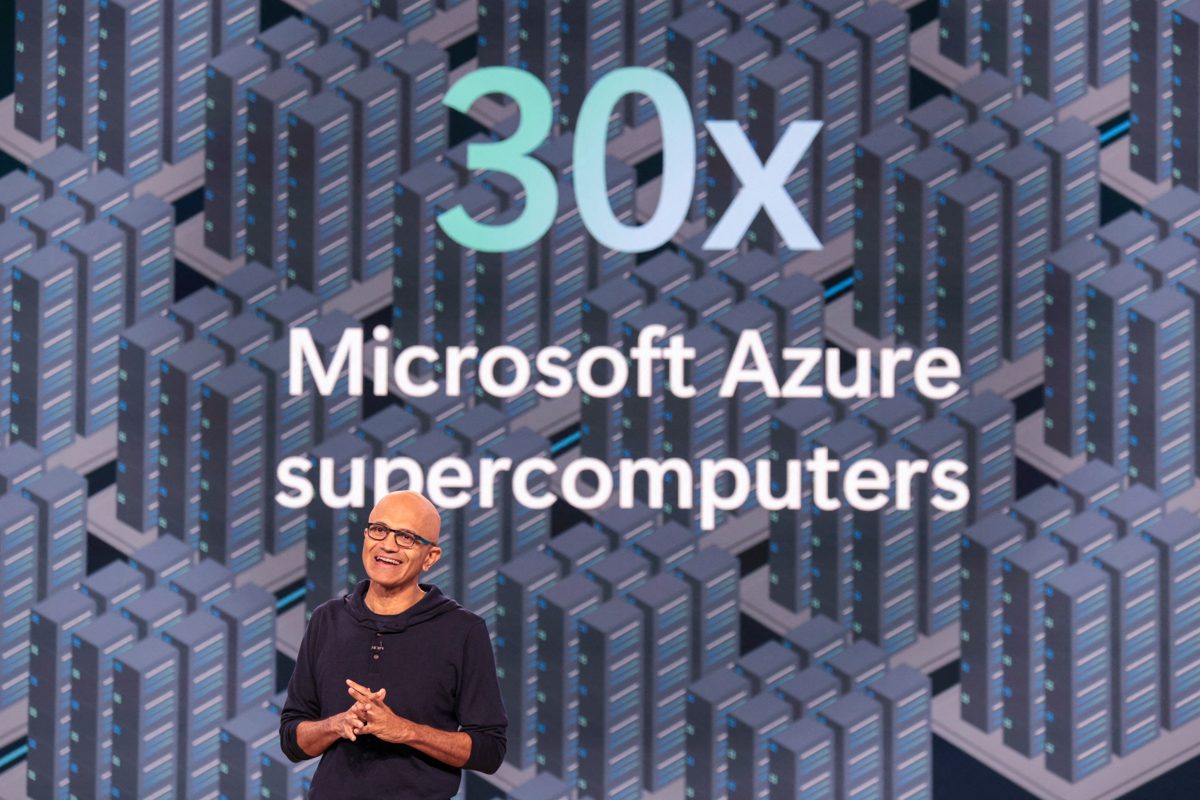
Microsoft to triple Azure capacity to 38GW by 2032 after turning away customers
Microsoft announced plans to more than triple Azure data-center capacity from 12GW to over 38GW by 2032, citing shortages that forced it to turn away customers and route traffic to competitors. It will also begin reporting Azure revenue in separate dollar figures starting fiscal 2027.
2026-09-14

Microsoft opens Azure to Anthropic as Nationwide migrates 15M customers to Azure AI
As OpenAI's once-exclusive Microsoft relationship gained escape hatches, Microsoft let Anthropic move onto Azure, reshaping enterprise AI dynamics. In a marquee deployment, Nationwide migrated 15 million customers to a new core platform, rolling out 1,000 premium Copilot licenses in finance, GitHub Copilot for 2,500 engineers, Azure OpenAI and Azure AI Foundry, with 46% of finance staff using Copilot daily.
2026-09-12
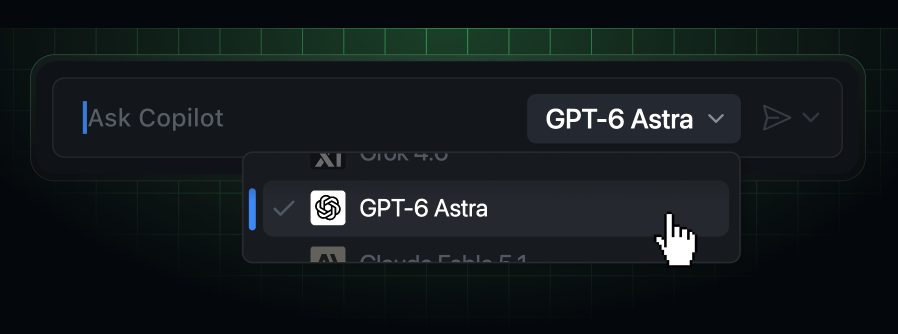
GPT-6 Astra lands in Microsoft Copilot as Anthropic partnership deepens
Microsoft and OpenAI announced GPT-6 Astra is available in Copilot Cowork, Copilot Studio, Microsoft Foundry, and GitHub Copilot, expanding model choice. Meanwhile Microsoft is bringing Anthropic's models into its stack as the OpenAI relationship acquires escape hatches. Microsoft disclosed Azure generated $101.9 billion in FY2026 revenue, up 41% annually.
2026-09-11
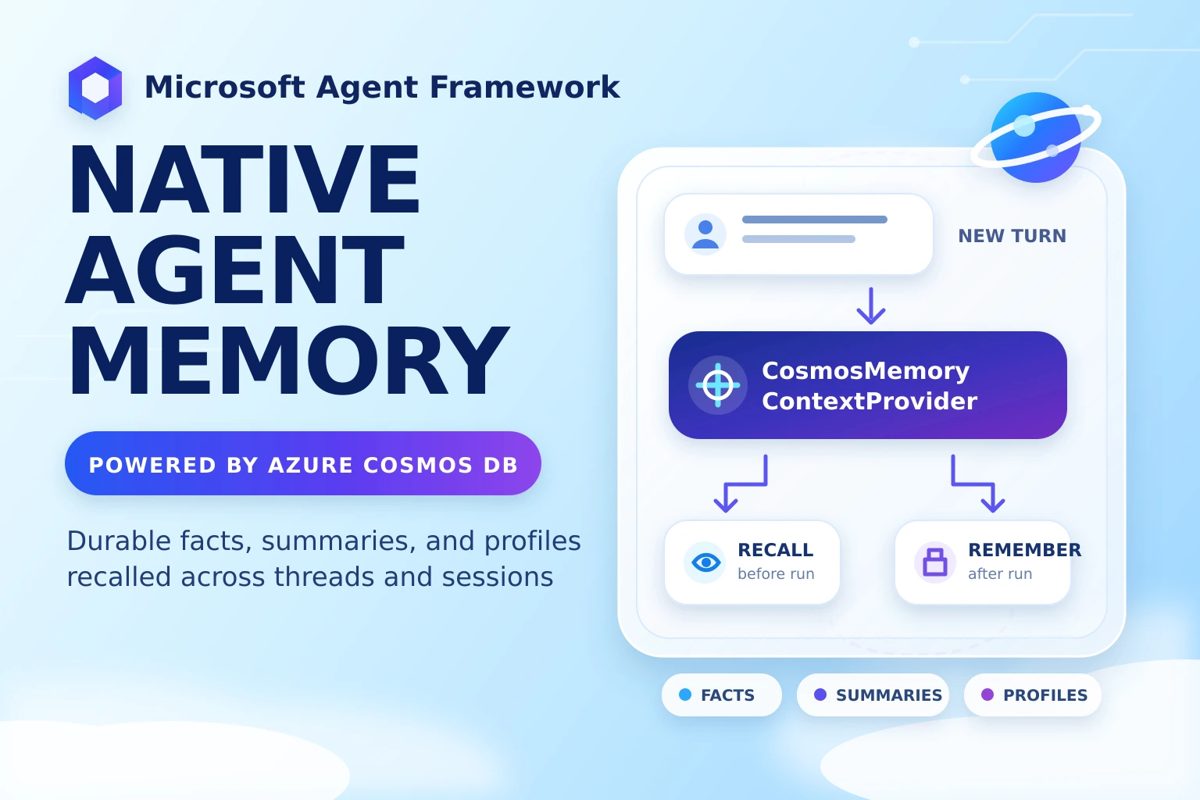
Microsoft adds native cross-session memory to Agent Framework via Cosmos DB
Microsoft announced a preview integration giving Agent Framework agents durable, cross-session memory backed by Azure Cosmos DB. A new agent-framework-azure-cosmos-memory Python package provides a CosmosMemoryContextProvider that attaches to an agent once for automatic recall, joining the industry-wide push toward persistent agent memory.
2026-09-07

Microsoft restructures around AI as Azure tops $100B and Maia 200 debuts
Microsoft reported Azure revenue surpassed $100 billion in fiscal 2026, with cloud services growing 43% in Q4 and Microsoft 365 Copilot exceeding 30 million paid seats (up from 20M in April). Its new Maia 200 chip delivers 30%+ better performance per dollar and supports both OpenAI and Microsoft's MAI models. Microsoft also restructured its reporting segments around AI.
2026-09-06

Microsoft restructures around AI as Azure tops $100B and adopts OpenAI's Astra
Microsoft restructured its fiscal reporting segments around AI, with Azure revenue surpassing $100 billion for the first time in FY2026 and cloud services growing 43% in Q4. Microsoft 365 Copilot passed 30 million paid seats. CEO Satya Nadella said Azure customers are already using OpenAI's new GPT-6 Astra model, while Microsoft's in-house Maia 200 chip delivers 30%+ better performance per dollar supporting both OpenAI and MAI models.
2026-09-05

Microsoft stock breaks $513 as Azure and Copilot growth accelerates
Microsoft stock broke $513 on strong Azure performance and Copilot adoption exceeding 30 million paid seats, with a $3.2 billion gain from its Anthropic investment. Bank of America raised its price target to $600, citing 43% Azure revenue growth and effective AI monetization across infrastructure and applications.
2026-09-03

Microsoft Copilot's August update adds Power BI reasoning and Outlook drafting
Microsoft's August 2026 Copilot update adds enhanced reasoning over Power BI reports, dynamic answer cards, response regeneration without restarting conversations, and mobile Outlook email drafting inside Copilot Chat. New IT-admin capabilities, including custom reports and GitHub Copilot AI Credit usage dashboards, roll out in September.
2026-09-01

Nadella Pushes Multi-Model Enterprise AI as Azure OpenAI Assistants API Retires
Satya Nadella championed a multi-model enterprise strategy — an '11,000-model' bet — arguing companies trusting one AI for everything may not survive, contrasting with Google's Gemini-focused approach. Microsoft reported broadening AI demand and wall-to-wall Copilot deployments, while the Azure OpenAI Assistants API was deprecated and retired on August 26, pushing teams toward Foundry and agent builders.
2026-08-29
Microsoft rebrands its Microsoft 365 Roadmap to 'AI at Work'
Microsoft renamed its Microsoft 365 Roadmap to the 'AI at Work Roadmap,' pitching it as a single destination to discover upcoming innovations across Microsoft 365, Copilot, and agents. The rebrand went live immediately rather than gradually, and critics panned it as another in Microsoft's history of confusing rebrands.
2026-08-28

Microsoft Foundry adds five Claude capabilities as Azure revenue tops $100B annually
Microsoft disclosed Azure annual revenue surpassed $100B for the first time in fiscal Q4 2026 at 43% YoY growth, with $678B in remaining performance obligations. Microsoft Foundry added five new Claude capabilities — Structured Outputs, Web Search, Web Fetch, MCP Connector, and Tool Search — while August's Patch Tuesday addressed 415 CVEs.
2026-08-27

Microsoft Foundry Adds Five Claude Capabilities as Azure Revenue Tops $100B
Microsoft disclosed Azure annual revenue surpassed $100B for the first time in fiscal Q4 2026 at 43% YoY growth, with $678B in remaining performance obligations. Microsoft Foundry added five new Claude capabilities on August 17—Structured Outputs, Web Search, Web Fetch, MCP Connector, and Tool Search—while August's Patch Tuesday addressed 415 CVEs.
2026-08-21
Azure Tops $100B Annual Revenue (+43% YoY); Copilot Pro Passes 30M Paid Seats
Microsoft reported Azure revenue grew 43% YoY in Q4 FY2026, surpassing $100 billion in annual revenue for the first time. Microsoft 365 Copilot Pro paid accounts rose over 50% in a single quarter, from 20 million to over 30 million. Commercial order backlog reached $678 billion, up 84% YoY, though heavy capex weighs on free cash flow.
2026-08-20

Microsoft Q4: Azure up 43% as GitHub outage hits developers worldwide
Microsoft reported a strong fiscal Q4 with Azure revenue up 43% and Copilot embedding more deeply across Microsoft 365, GitHub, Security Copilot and Dynamics, though analysts flagged capex concerns and unclear incremental monetization. Separately noted in the same coverage, a GitHub outage on Aug. 17 disrupted developers worldwide; the company restored core services by 10 a.m. but Copilot remained an active incident.
2026-08-19
North Korean APT Kimsuky runs offline LLMs to sharpen phishing and build malware
South Korean firm Genians found North Korean APT group Kimsuky running a private offline AI stack including Ollama, GPT4All, and RAG tooling. The setup enhances spear-phishing lure quality and automates C#/.NET malware development using libraries like LLaMaSharp and Semantic Kernel, sidestepping the guardrails of hosted commercial models.
2026-08-17
Microsoft merges consumer and enterprise Copilot into a unified 'super app'
Microsoft has begun merging its consumer and enterprise Copilot apps into a single unified 'super app,' a project led by 33-year-old executive Jacob Andreou. The consolidation comes as Azure's cloud business crossed $100 billion in annual revenue, driven largely by AI demand and its OpenAI relationship, with Microsoft diverting compute toward improving Copilot.
2026-08-16

Azure previews Container Apps Sandboxes for AI agents and MAI-Code-1.1-Flash
Microsoft Azure introduced Container Apps Sandboxes in preview, giving isolated execution environments for AI agent workloads, and announced MAI-Code-1.1-Flash, improving token efficiency 25% over its Build announcement at one-quarter the cost. Azure also extended Databricks Genie Agent free usage through January 31, 2027, and added real-time multichannel speech-to-text in preview.
2026-08-16
Microsoft merges consumer and enterprise Copilot apps into one 'super app'
Microsoft began merging its consumer and enterprise Copilot apps into a single 'super app,' a project led by 33-year-old executive Jacob Andreou. Three features that failed to gain traction — including Group Chats — are being retired, with Group Chats data wiped on August 18, 2026. Microsoft also reported Azure crossed $100 billion in annual revenue, driven largely by AI demand.
2026-08-15

Microsoft Azure grows 43%, passes $100B annual run-rate; Copilot tops 30M seats
Microsoft's Q4 FY26 delivered $90.01B revenue (up 17.8%), with Azure growing 43% and clearing $100 billion in annual revenue for the first time. Commercial RPO hit $678 billion, up 84%, and Microsoft 365 Copilot passed 30 million paid seats, validating the 'seats plus usage' AI monetization thesis.
2026-08-14
Microsoft merges consumer and business Copilot apps ahead of 'Super App' rollout
Microsoft is beginning to combine its consumer and business Copilot applications to lay the groundwork for a unified 'Super App.' The move streamlines Microsoft's AI brand into a single product to compete with ChatGPT, Gemini and Claude. Consumer features like Copilot Podcasts and Group Chat will be removed starting August 18, while commercial users see mostly cosmetic changes.
2026-08-14

Microsoft posts ~$90B Q4 with Azure +43%, adds GPT-5.6 and Claude Sonnet 5 to Copilot
Microsoft reported roughly $90B in Q4 revenue, Microsoft Cloud at $59.3B, and Azure up 43% year-over-year, with a $678B commercial-cloud backlog and Copilot paid seats exceeding 30 million. Microsoft 365 Copilot added OpenAI's GPT-5.6 for enhanced reasoning in Excel and Copilot Cowork, plus Anthropic's Claude Sonnet 5 for agentic multi-step document and spreadsheet work. Microsoft also debuted its first in-house reasoning model, MAI-Thinking-1.
2026-08-13
Microsoft August Patch Tuesday fixes 400+ flaws including 3 zero-days
Microsoft's August 2026 Patch Tuesday addressed roughly 400 CVEs, including 42 critical vulnerabilities with 37 remote-code-execution flaws. Three zero-days were patched, one actively exploited. Fixes covered Hyper-V, Exchange, GitHub Copilot and Visual Studio Code, following an emergency August 6 update for CVSS 10.0 flaws in Teams and Entra.
2026-08-12

Microsoft launches MAI-Image-2.6 at #2 on Arena; Azure adds AI gateway tier
Microsoft released MAI-Image-2.6, debuting at #2 on the Arena leaderboard with +79 Elo over MAI-Image-2.5 and +91 Elo in text rendering. Azure API Management also introduced an AI gateway tier organized around models and MCP servers, publishing OpenAI, Anthropic, Mistral, Bedrock, and Vertex models behind unified access with token limits and content screening.
2026-08-11

Microsoft Surges 24.8% on AI-Driven Q4 Earnings; ~70% of AI Revenue Tied to OpenAI
Microsoft reported Q4 revenue of $90 billion and net income of $35.8 billion, with full-year revenue of $331.8 billion, driven by Azure and Microsoft 365 Copilot demand. Shares rose 24.8% following the report. Filings suggest around 70% of Microsoft's AI revenue is concentrated in OpenAI, and Microsoft opened its fourth India datacenter region in Hyderabad.
2026-08-09
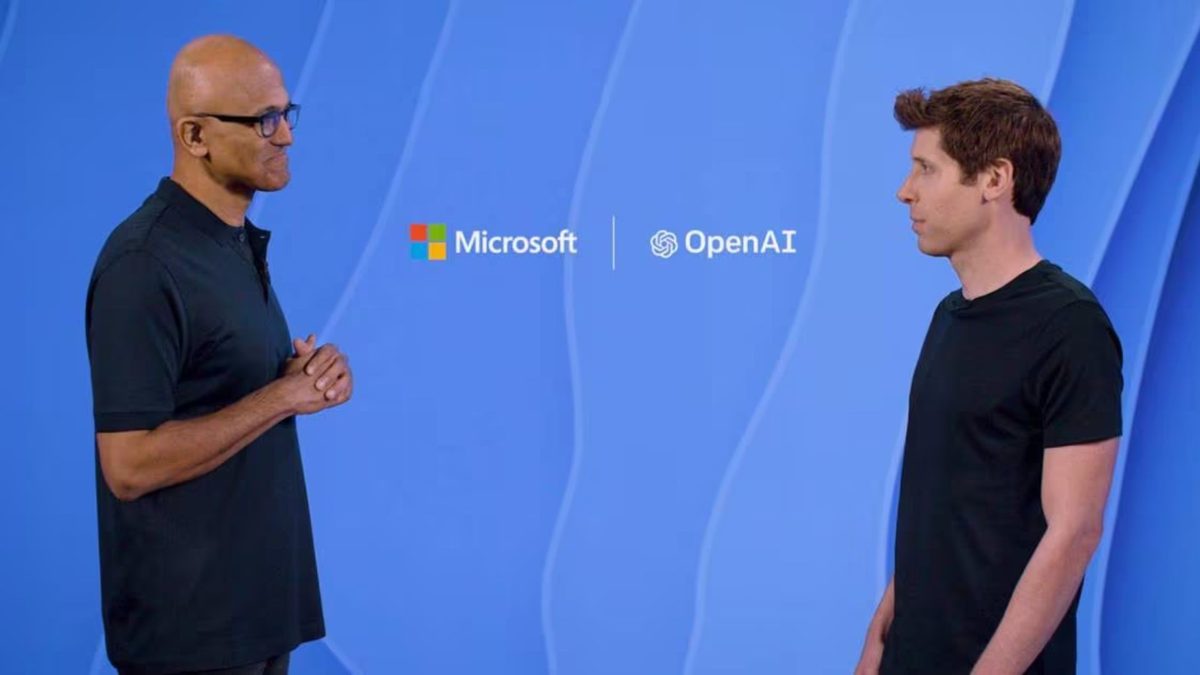
Microsoft reveals $24.1B in fiscal-2026 revenue from OpenAI amid concentration concerns
Microsoft reported Q4 revenue of $90.0 billion and full-year revenue of $331.8 billion driven by Azure and Copilot AI demand, sending shares up 24.8%. It disclosed generating $24.1 billion from OpenAI in fiscal 2026 and committing $13 billion total ($11.9B funded). Filings suggest roughly 70% of Microsoft's AI revenue is concentrated on OpenAI, which analysts call unhealthy.
2026-08-08

GitHub Copilot Agent joins Microsoft Agent Framework; Azure VNet routing appliance hits GA
Microsoft integrated GitHub Copilot Agent into the Microsoft Agent Framework, enabling production-grade .NET and Python agents with governance and approval workflows. Separately, Azure's Virtual Network routing appliance reached general availability, offering 200+ Gbps private connections with IPv6, cross-region connectivity and Azure Monitor integration, with DNS load balancing and Private Link IPv6 in preview.
2026-08-07

Microsoft tests first-party MAI-Realtime to reduce OpenAI dependence in Voice Live
Microsoft is testing MAI-Realtime, a full-duplex speech-to-speech model that would replace its reliance on OpenAI's GPT-Realtime in Azure's Voice Live API. The move came as Microsoft stock jumped 24.8% on Q4 revenue of $90.0 billion and full-year revenue of $331.8 billion, driven by Azure and Microsoft 365 Copilot AI demand — though most AI revenue still flows from OpenAI.
2026-08-07
Microsoft Makes OpenAI's GPT-5.6 Sol Default in GitHub Copilot for Staff
A Microsoft AI exec directed developers to default to OpenAI's top GPT-5.6 Sol model in GitHub Copilot as part of an efficiency push. The guidance comes as Microsoft simultaneously tightens ties with Anthropic — investing up to $5 billion and releasing the Copilot Cowork product — while ceasing revenue-sharing payments to OpenAI after extending IP rights through 2032.
2026-08-06

Azure API Management Launches AI Gateway Tier to Publish and Govern AI Models
Microsoft announced the public-preview AI Gateway tier of Azure API Management, a purpose-built experience for publishing and governing AI models, MCP servers, and tools from Microsoft Foundry and other providers. The tier includes connector-backed tools, card-based governance policies, Azure RBAC, and OpenTelemetry token-usage metrics for enterprise AI workloads.
2026-08-06
Microsoft's 'MAI Era': production Excel and Outlook traffic moves to first-party models
Microsoft is now routing tens of thousands of Excel and Outlook prompts to its proprietary MAI models, shifting away from third-party APIs as part of its 'MAI Era' strategy, while reserving frontier third-party models for complex reasoning. GitHub Copilot will also transition to MAI-Code-1-Flash as its default backend in August 2026, targeting cost savings on high-volume tasks.
2026-08-05
Microsoft Routes Copilot Production Traffic to Its Own MAI Models, Replacing GPT-4 Turbo
Microsoft began transitioning production traffic for Copilot services to its internal MAI (Microsoft AI) models, actively replacing GPT-4 Turbo in GitHub Copilot with MAI-Code-1-Flash. Operationalized in August 2026, the shift routes tens of thousands of Excel and Outlook prompts to MAI models, with commodity Copilot tasks expected to run primarily on MAI by year-end.
2026-08-04

Microsoft Azure Grows 43% as AI Demand Exceeds Supply; Nadella Says 'Every Model Is Substitutable'
Microsoft reported Azure revenue grew 43% year-over-year, with Microsoft Cloud reaching $214.4 billion for the fiscal year and remaining performance obligations climbing to $678 billion. CEO Satya Nadella emphasized that customers increasingly adopt multi-model AI architectures, declaring 'every model is substitutable,' while AI capacity demand continues to exceed supply.
2026-08-04
Microsoft battles persistent Copilot for Word worm and preps AI 'super app'
Microsoft confirmed an AI worm propagating through Copilot via prompt-injection; reworded attacks bypassed patches, forcing a July 14 fix that upgraded Copilot for Word's underlying model. Separately, CEO Satya Nadella said Microsoft will soon launch a Copilot 'super app' spanning consumer and enterprise use, evolving 'from chat to Cowork to autopilots.'
2026-08-02

Microsoft hits 30M Copilot seats and $100B Azure revenue, expands to 11,000+ models
Microsoft reported Copilot surpassed 30 million paid seats and Azure revenue topped $100 billion for the first time. CEO Satya Nadella said the model catalogue now spans over 11,000 models from OpenAI, Anthropic, Mistral, and its in-house MAI family. A shareholder class action, however, alleges Copilot suffered undisclosed data-siloing and capacity problems.
2026-08-01
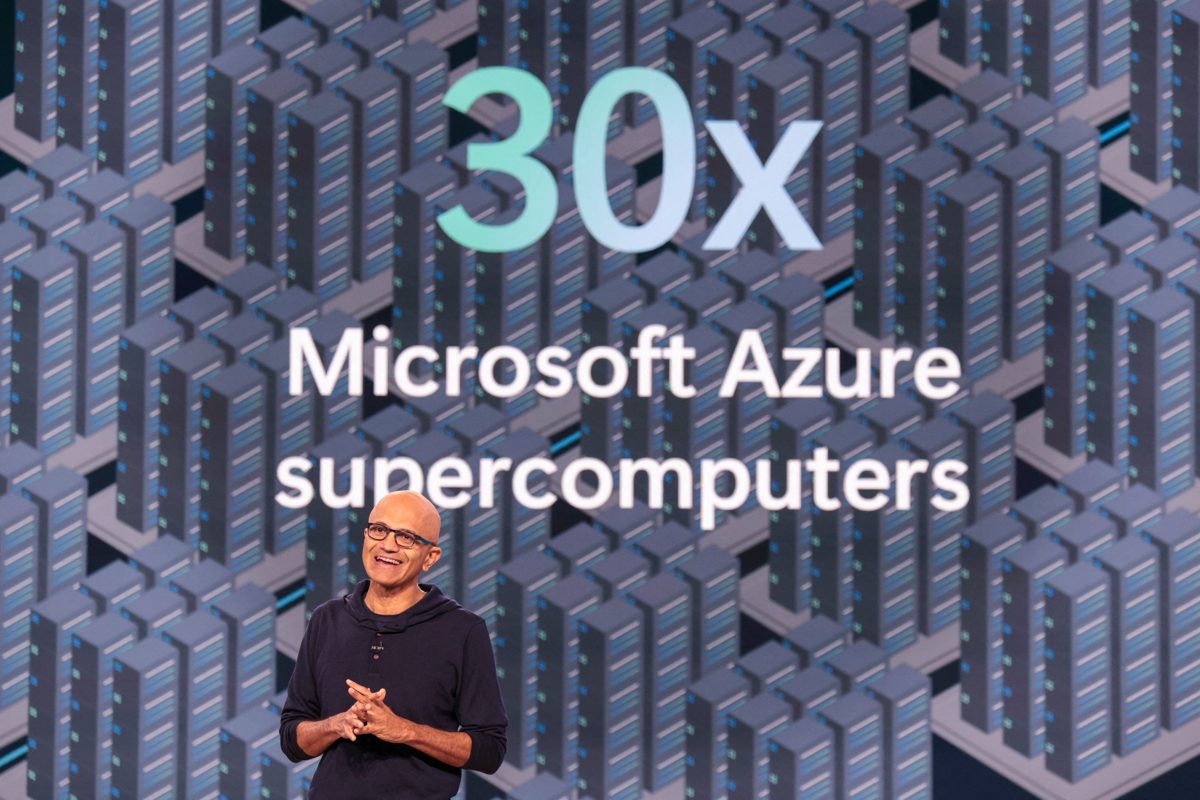
Microsoft Q4: Azure tops $100B for the first time, Copilot hits 30M paid seats
Microsoft reported Azure revenue surpassing $100 billion for the first time (+41%) and Microsoft 365 Copilot exceeding 30 million paid seats, doubling net seat additions from the prior quarter. Commercial remaining performance obligation jumped 84% to $678 billion. CEO Satya Nadella said in-house MAI models now power products like Bing Image Creator and Dynamics 365, cutting GPU costs up to 84–89% versus OpenAI models.
2026-07-31

Microsoft invests billions in Mistral's European AI infrastructure
Microsoft announced a multibillion-dollar partnership with Mistral to expand European AI infrastructure, including data-center buildout and access to Mistral's Medium 3.5 and OCR 4 models on Microsoft Foundry and Copilot Studio. Samsung expanded a parallel Mistral deal the same week, funding compute including NVIDIA Vera Rubin GPUs. The models will run on Azure Local under open or open-weight licenses.
2026-07-31
Microsoft and Mistral strike multibillion-dollar deal to build European AI infrastructure
Microsoft and Mistral announced a multibillion-dollar partnership to expand Azure computing infrastructure across Europe using thousands of NVIDIA Vera Rubin GPUs. Mistral Medium 3.5 (open-weight) and OCR 4 (proprietary) are being integrated into Microsoft Foundry and Copilot Studio, offering sovereign AI deployment for regulated European industries.
2026-07-25

Microsoft replaces OpenAI image models in PowerPoint and Bing with in-house MAI models
Microsoft is replacing OpenAI image models in PowerPoint and Bing with its own MAI models, with Mustafa Suleyman citing an 84% cost cut versus GPT-Image-2 in PowerPoint and a 26% lift in OneDrive save rates plus ~25% lower latency. The company is also delaying some M365 Copilot deployments over security concerns even as Western Sydney University rolls Copilot out to all staff.
2026-07-24

Microsoft ships Agent Framework Declarative Workflows 1.0, moving orchestration into YAML
Microsoft's Agent Framework introduced Declarative Workflows 1.0, which defines multi-agent orchestration in reviewable, versionable YAML rather than application code. Developers can specify how agents coordinate, how state changes, where execution branches, and when humans step in — making orchestration easier to review, version, and change.
2026-07-24
Microsoft reportedly weighs swapping GPT and Claude for China's Kimi K3 in Copilot
Microsoft is reportedly exploring replacing OpenAI's GPT and Anthropic's Claude with Moonshot's Chinese Kimi K3 model in Copilot to save as much as $600 million, a move that could draw scrutiny from the Trump administration. The report follows earlier interest in DeepSeek's V4 and lands amid a broader U.S. debate over reliance on Chinese AI models.
2026-07-23
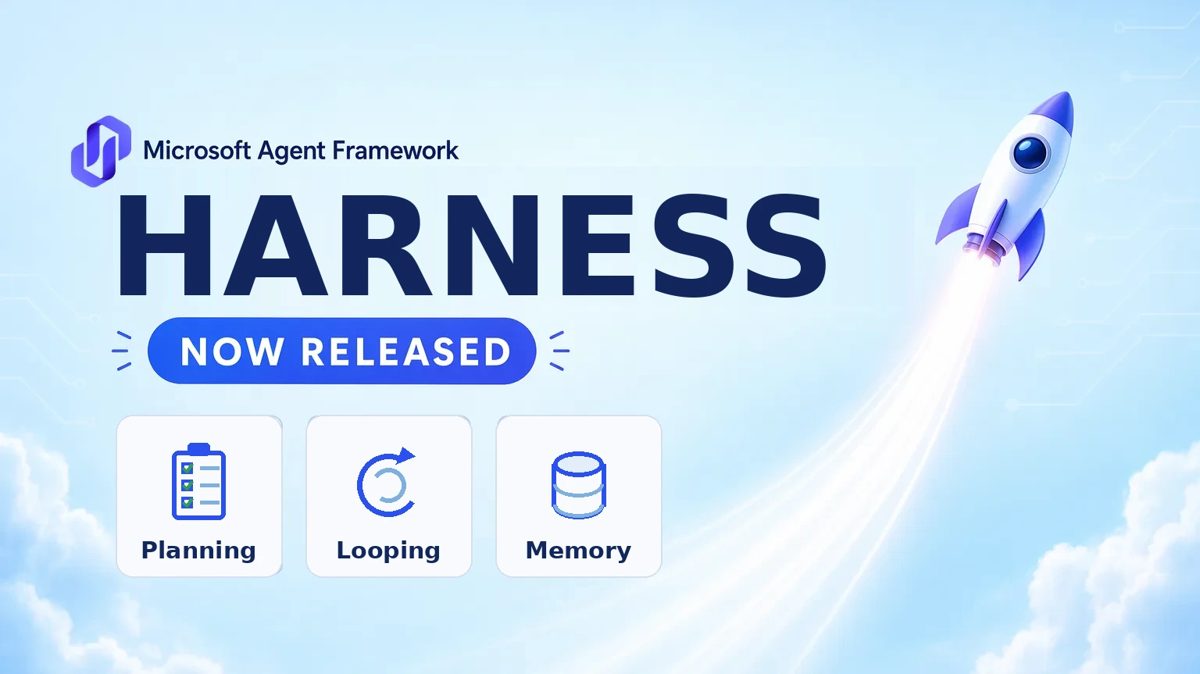
Microsoft releases Agent Framework Harness for Python and .NET
Microsoft released the Agent Framework Harness, a batteries-included scaffolding that turns models into working agents by providing the loop, planning, memory, context management, approvals, and telemetry out of the box, in both Python and .NET. It targets developers who want stable agent infrastructure without hand-rolling orchestration.
2026-07-23

Microsoft reportedly evaluating Moonshot's Kimi K3 for Copilot to cut $600M in inference costs
Microsoft is reportedly evaluating Moonshot AI's Kimi K3 model for integration into Copilot on Azure, a move that could displace existing OpenAI and Anthropic models and save up to $600 million in AI inference costs. Kimi K3 is a 2.8-trillion-parameter multimodal model that recently topped a key coding benchmark.
2026-07-21

Microsoft overhauls cybersecurity division to accelerate AI strategy
Microsoft is reshaping its cybersecurity division under new leader Hayete Gallot, replacing senior executives, reorganizing engineering teams and eliminating hundreds of roles. Gallot said the industry is being fundamentally reshaped by AI. Separately, reports note enterprise AI adoption is surging even as workforce readiness slides backward.
2026-07-20
SoftBank deploys OpenAI-powered security agents across Japan's critical infrastructure
SoftBank launched an OpenAI-powered patching and security-agent service targeting 3,000 firms, deploying AI security agents across Japan's critical infrastructure. The move underscores national-scale enterprise deployment of agentic AI for cybersecurity.
2026-07-19

Microsoft reportedly trains salespeople to disparage OpenAI and Anthropic
According to Bloomberg, Microsoft EVP Jacob Andreou delivered a presentation comparing Copilot directly to Anthropic's Claude, claiming that within Microsoft's office apps Anthropic's model was 'slower and less accurate, and lacked the proper security integrations.' The reported sales training targets both OpenAI and Anthropic despite Microsoft's deep partnerships across the AI space.
2026-07-18
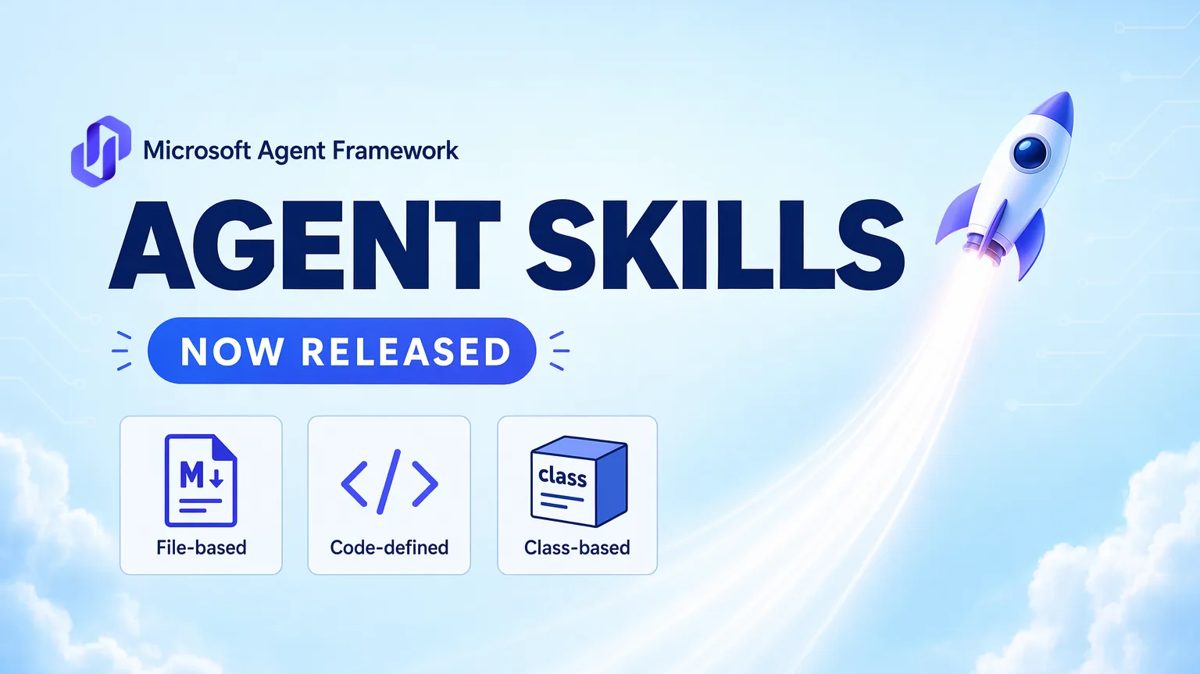
Microsoft ships Agent Skills for Python as stable in Agent Framework
Microsoft released Agent Skills for Python as a stable, production-ready API in the Microsoft Agent Framework. Python agents can now load reusable bundles of domain expertise — instructions, reference material, and scripts — only when a task calls for them, with the experimental gate removed.
2026-07-16
Microsoft gives Teams users toggle control over Copilot after backlash
Following user backlash and privacy concerns, Microsoft is giving Teams users more control over AI features like Copilot and Facilitator, allowing them to be toggled on or off. Windows 11 Copilot can now diagnose what's slowing down a PC while using about 1GB of RAM, limited to read-only access with opt-in permissions. CEO Satya Nadella also warned of AI risks and a coming era of regulation.
2026-07-14

OpenAI names GPT-5.6 'preferred model' for Microsoft 365 Copilot amid breakup chatter
OpenAI said GPT-5.6 is the 'preferred model' powering Microsoft 365 Copilot, with Sol, Terra and Luna auto-selected by task fit across Word, Excel, PowerPoint, Copilot Chat and GitHub Copilot. The endorsement helps quell 'divorce' speculation, even as Microsoft develops its own in-house MAI models.
2026-07-12
Microsoft routes some Office AI prompts to in-house MAI models to cut costs
Microsoft has begun routing some Excel, Word and Outlook AI prompts away from OpenAI and Anthropic to its own homemade MAI models to reduce token costs, forming a 'MAI Superintelligence Team' to lessen its OpenAI dependence. The shift, enabled by a 2025 OpenAI contract renegotiation, uses Azure infrastructure for cost and data-residency wins. Reports say Microsoft 365 Copilot adoption sits under 4.5% after three years.
2026-07-09

Microsoft launches $2.5B Frontier AI consulting firm amid newspaper lawsuit
Microsoft launched Frontier, a $2.5 billion consulting business to help enterprises adopt AI, drawing on its own deployment experience with models including DeepSeek. Separately, nearly 400 local newspapers sued Microsoft and OpenAI over content use.
2026-07-05
Microsoft launches $2.5B 'Frontier Company' to embed 6,000 AI engineers inside customers
Microsoft committed $2.5 billion to a new AI deployment firm led by Commercial Business CEO Judson Althoff, staffing roughly 6,000 engineers to embed within enterprises. It introduces an 'IQ' enterprise intelligence layer that unifies real-time data signals to give AI agents and Microsoft 365 Copilot context. The move directly follows AWS, OpenAI, and Anthropic's forward-deployed engineer ventures.
2026-07-03

Claude models reach GA on NVIDIA GB300 Blackwell Ultra in Microsoft Foundry
Microsoft Azure and NVIDIA announced general availability of Anthropic's Claude models running on NVIDIA GB300 Blackwell Ultra GPUs within Microsoft Foundry. The setup lets Azure-native enterprises build autonomous and domain-specific AI applications with frontier Anthropic models on Azure infrastructure accelerated by Blackwell Ultra.
2026-07-01

Microsoft 365 Copilot expands with PitchBook data and Excel 'skills'
PitchBook launched a federated Copilot connector bringing private-capital-market data into Microsoft 365 Copilot, including Copilot in Excel, Copilot Chat, and Researcher. Separately, Microsoft brought 'skills' to Copilot for Excel, and Irish CRO giant Icon named Microsoft its technology partner to scale its agentic AI platform Orbis.
2026-06-27
Microsoft brings skills to Copilot for Excel
Microsoft CEO Satya Nadella announced it is bringing 'skills' to Copilot for Excel, giving teams a way to scale their expertise across every workbook. The move extends Microsoft's skills framework — a way to standardize and reuse AI capabilities — into spreadsheets, a core enterprise surface.
2026-06-26

Microsoft cancels most Claude Code licenses for GitHub Copilot CLI
After rolling out Anthropic's Claude Code to thousands of employees in December 2025, Microsoft began canceling most licenses within six months, redirecting engineers to its own GitHub Copilot CLI ahead of a June 30, 2026 deadline. The move signals Microsoft reducing reliance on Anthropic's tools.
2026-06-25
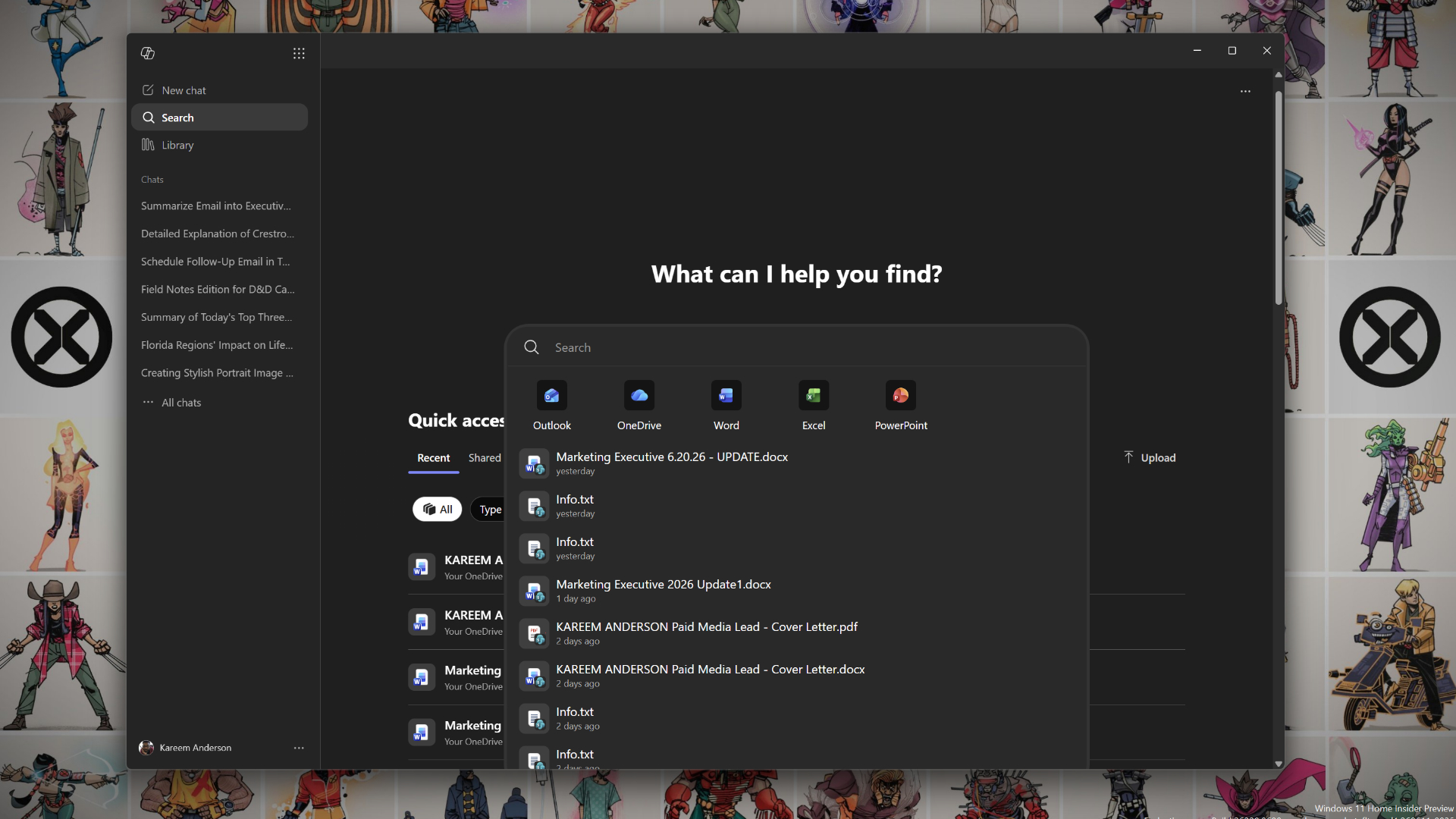
Microsoft cuts Claude reliance for GitHub Copilot CLI and force-installs 365 Copilot on Windows 11
After rolling Anthropic's Claude Code out to thousands of employees in December 2025, Microsoft began canceling most licenses, redirecting engineers to its own GitHub Copilot CLI ahead of a June 30, 2026 deadline. Microsoft also confirmed it will force-install Microsoft 365 Copilot on Windows 11 with Microsoft 365 Business within the next 30 days.
2026-06-24
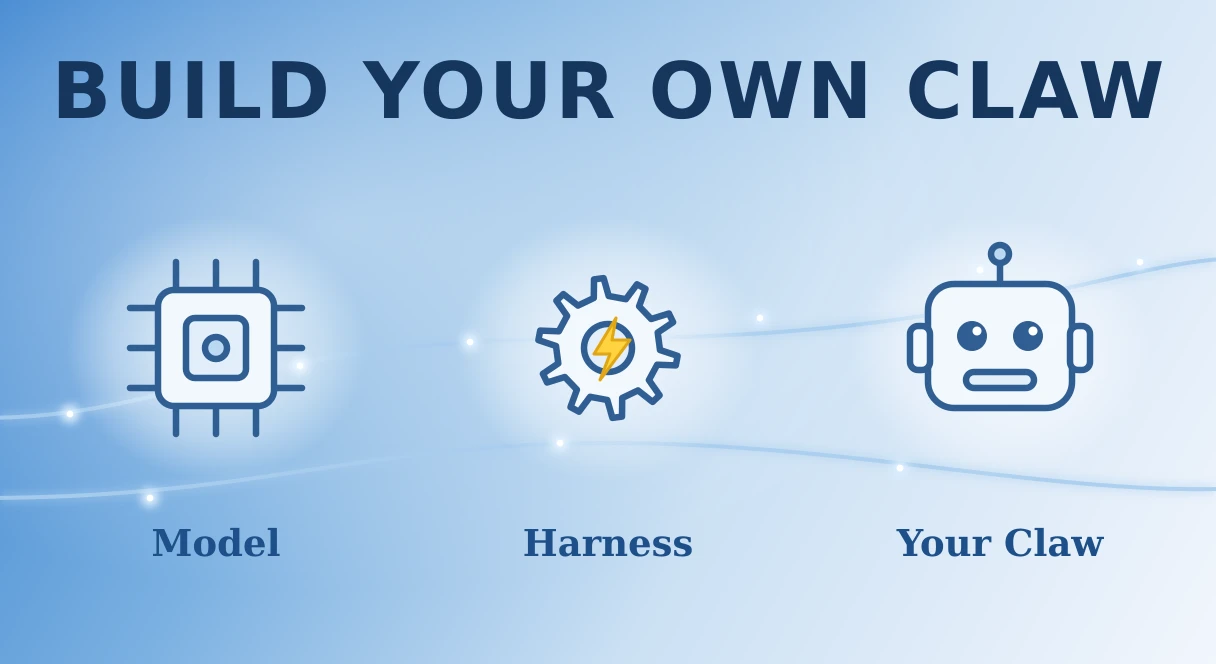
Microsoft Agent Framework: build your own 'claw' agent harness
Microsoft's Agent Framework team published a hands-on tutorial series on building a 'claw' — a CLI-style agent harness that loops a language model wired with tools, planning, and memory. Part one stands up the loop for a personal finance assistant.
2026-06-23
Microsoft hit with shareholder suit over Copilot and Azure AI claims
Shareholders filed a class action alleging Microsoft overstated Copilot's success and its OpenAI partnership while failing to disclose an Azure revenue slump amid heavy AI data-center spending. Separate reports detail Microsoft migrating developers from Claude Code to its in-house Copilot CLI for financial and strategic reasons.
2026-06-22

'SearchLeak' POC widens M365 Copilot prompt-injection attack surface
A proof-of-concept attack against Microsoft's M365 Copilot Enterprise highlights parameter-to-prompt (P2P) injection as a potentially broad enterprise threat. Researchers showed how common AI-enhanced search behavior widens the prompt-injection attack surface for enterprise users.
2026-06-21

Microsoft Copilot Cowork hits GA worldwide with multi-model support
Microsoft Copilot Cowork reached general availability worldwide with multi-model support, letting organizations put long-running agents to work on complex, multi-step tasks grounded in their own knowledge. It currently runs on Anthropic and OpenAI models, with reports Microsoft is weighing a fine-tuned DeepSeek V4 as a lower-cost option and its own Co-work 1 model expected soon.
2026-06-20
Microsoft explores fine-tuned DeepSeek V4 to power Copilot Cowork
Microsoft said it is exploring a fine-tuned version of China's DeepSeek V4 to power Copilot, a politically sensitive move to tame soaring agentic compute bills. The shift comes as tools like Copilot Cowork, Claude Code, and Codex repeatedly call models — Microsoft confirmed Cowork customers pay based on compute usage.
2026-06-19
Microsoft makes Copilot Cowork generally available worldwide with multi-model support
Microsoft launched Copilot Cowork into general availability worldwide with multi-model support, letting organizations put long-running agents to work on complex, multi-step tasks grounded in their own knowledge. New features span model choice, plugin extensibility, browser automation, and cost-management controls.
2026-06-19

Microsoft ships Work IQ API GA with consumption-based Copilot Credits billing
Microsoft announced the Work IQ API reached general availability on June 16, enabling consumption-based billing via Copilot Credits unified across Copilot Studio and AI services. Microsoft 365 E5 is now a prerequisite for new Agent 365 purchases, and Azure Horizon DB entered preview supporting up to 3,072 vCores.
2026-06-18

Patched Microsoft 365 Copilot 'SearchLeak' flaw enabled one-click data theft
Researchers disclosed 'SearchLeak,' a critical three-stage attack that turned Microsoft 365 Copilot into a one-click data-theft tool using hidden URLs and prompt-injection variables. The flaw is now patched but exemplifies a broader new class of AI prompt-injection issues. Microsoft has also begun letting admins uninstall Copilot.
2026-06-16

NHS to Roll Out Microsoft Copilot to 500,000 Staff After 43-Minute Daily Savings
NHS England will give more than 500,000 staff access to Microsoft 365 Copilot after a trial found average time savings of 43 minutes a day, projecting 'millions of hours' saved per month across the health service.
2026-06-15
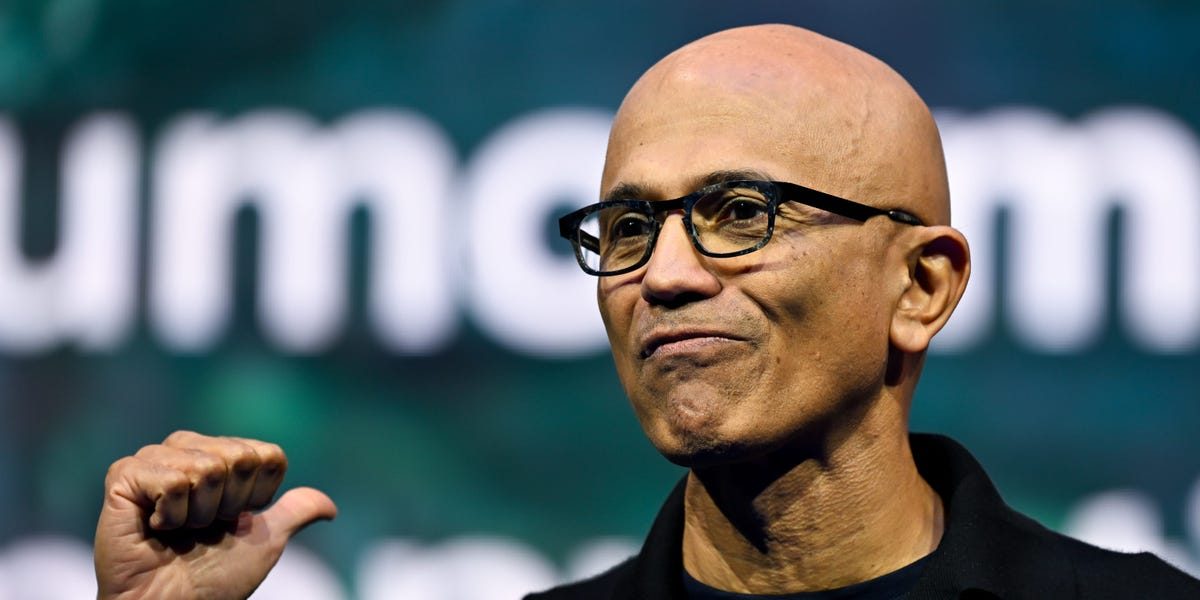
NHS England scales Microsoft Copilot to 500,000+ staff; Nadella reins in 'tokenmaxxing'
NHS England will give more than 500,000 staff access to Microsoft 365 Copilot after a trial found average savings of 43 minutes per day, potentially saving millions of hours monthly. Separately, Satya Nadella urged teams not to 'use frontier models for non-frontier problems,' pointing to Copilot's auto mode that routes tasks to the most appropriate model.
2026-06-14

Microsoft scales Copilot to 500,000 NHS staff but restricts internal Claude Fable 5 use
NHS England will give 500,000 staff access to Microsoft Copilot after a trial found average savings of 43 minutes a day, and Atos rolled out Microsoft 365 Copilot to its entire 56,000-strong workforce. Meanwhile Microsoft limited employee use of Anthropic's Claude Fable 5 over data-retention concerns — even as it offered the model to GitHub Copilot and Foundry customers.
2026-06-13

Microsoft expands Copilot across UK's NHS England with Dragon Copilot workflows
Microsoft is scaling Microsoft 365 Copilot to more than 500,000 NHS England staff, embedding it into ward-clerk tasks like patient discharge, rota building and bed management, plus HR and finance work. Dragon Copilot extends documentation into triage and medical inquiries. Early trials saved staff an average of 43 minutes per day, per Satya Nadella.
2026-06-10
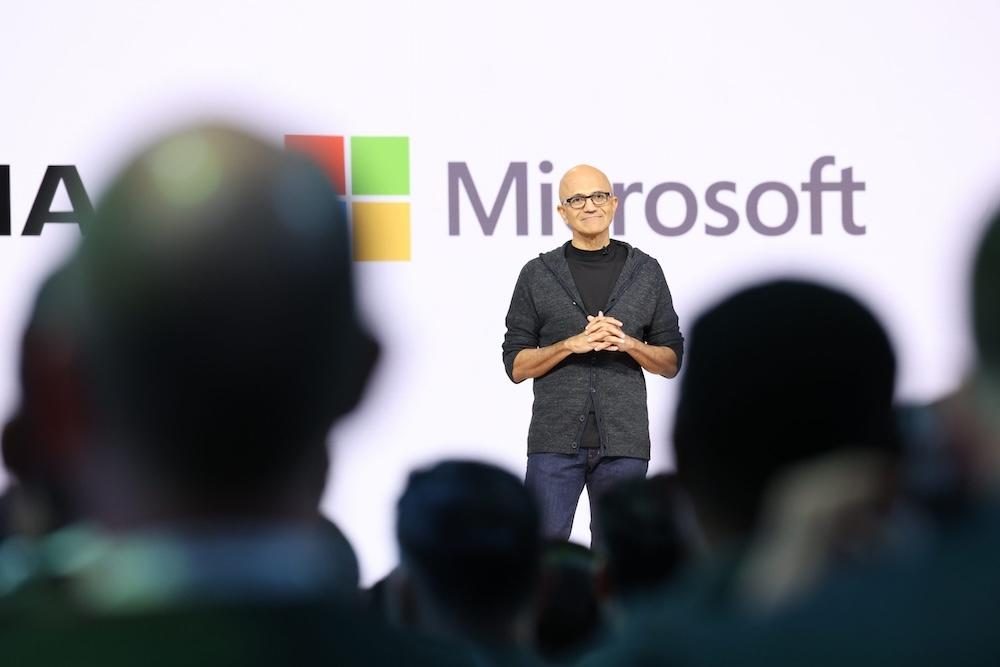
Microsoft builds in-house MAI stack and Foundry IQ to cut OpenAI dependence
Microsoft is reducing reliance on OpenAI by shipping its own AI stack: Agent 365 SDK reaching general availability, a unified Foundry IQ knowledge layer (Work IQ, Fabric IQ, Web IQ), and four in-house MAI model series (Alon-1.0, MAI-Thinking-1, MAI-Image-2.5, MAI-Voice-2, MAI-Code-1-Flash). Microsoft 365 Copilot SKUs become permanent July 1 at $23.50 and $32 per user monthly.
2026-06-09
Microsoft unveils seven in-house MAI models and Foundry agent layer at Build 2026
At Build 2026, Microsoft launched seven in-house MAI models—including MAI-Thinking-1, MAI-Image-2.5, MAI-Voice-2 and MAI-Code-1-Flash—trained from scratch on licensed data with no distillation from rivals. It also moved its Agent 365 SDK to GA and reorganized its knowledge layer around Foundry IQ. AI chief Mustafa Suleyman said the company was 'set free' from OpenAI to pursue superintelligence, signaling a strategic push for AI self-sufficiency.
2026-06-08
Microsoft AI chief says company was 'set free' from OpenAI to pursue superintelligence
Microsoft AI chief Mustafa Suleyman described a five-year plan to become a self-sufficient AI superpower, generating capability internally rather than renting it from OpenAI. The comments accompany Build 2026's MAI model push and a revamped, faster Microsoft 365 Copilot.
2026-06-07
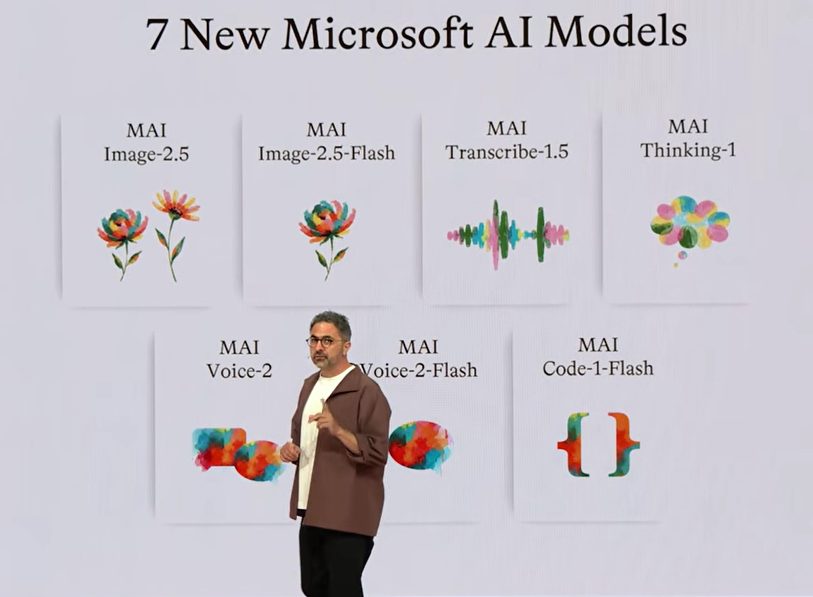
Microsoft launches seven in-house MAI models at Build 2026 in a push for AI self-sufficiency
At Build 2026, Microsoft unveiled seven new in-house MAI (Microsoft AI) models—including MAI-Thinking-1 and MAI-Image-2.5—plus 'Frontier Tuning' capabilities, marking a strategic shift to reduce reliance on external AI partners. It also announced 'Autopilots,' a major agentic-AI push with tools like Scout for Teams and Outlook, alongside deepened integration via secure Execution Containers.
2026-06-06
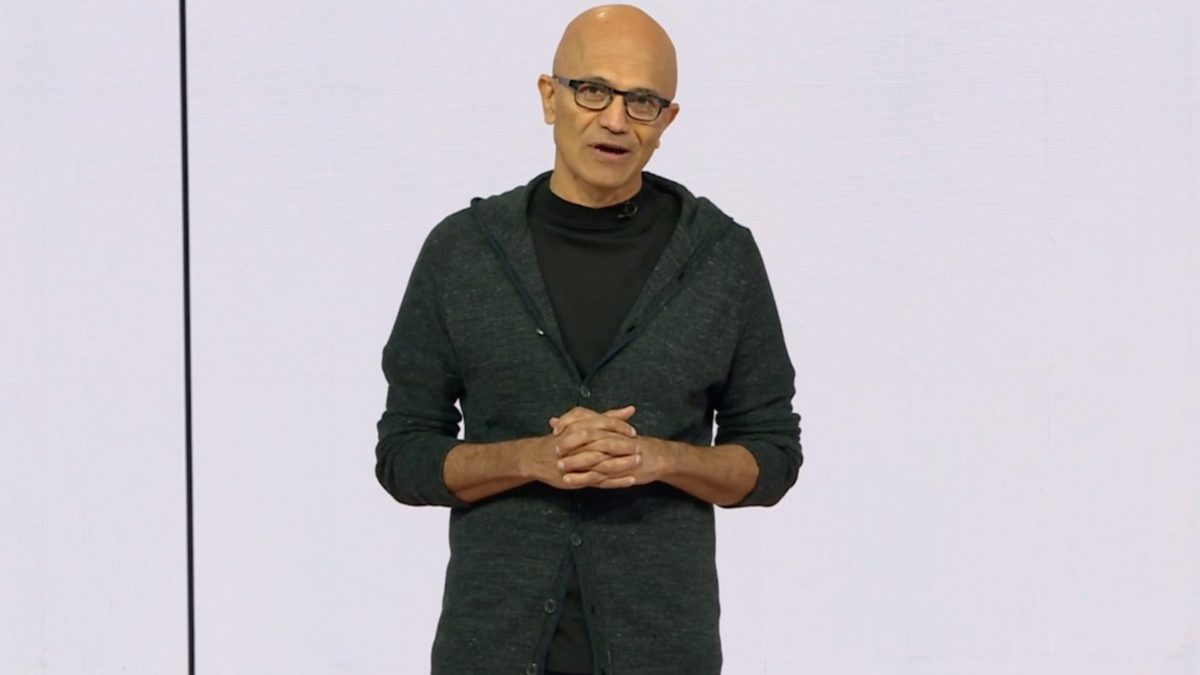
Microsoft debuts seven homegrown MAI models at Build 2026 to lessen OpenAI reliance
At Build 2026, Microsoft unveiled its first internally developed reasoning model, MAI-Thinking-1, plus a personal AI agent called Scout and a suite of MAI models: MAI-Image 2.5, MAI-Transcribe-1.5 (5x faster), MAI-Voice-2 (15 new languages), and the inference-efficient MAI-Code-1-Flash integrated into GitHub Copilot and VS Code. The push is an explicit move to reduce dependence on OpenAI and lower developer costs.
2026-06-05

Microsoft drops seven in-house 'MAI' models built from scratch at Build
Microsoft unveiled its MAI model family at Build 2026 — seven models developed in-house rather than relying on OpenAI, led by MAI-Thinking-1 for reasoning and SWE tasks. Microsoft AI CEO Mustafa Suleyman framed it as 'a new era,' and commentators read it as Microsoft declaring independence from OpenAI after years of an OpenAI-centric story.
2026-06-04

Microsoft positions Azure AI Foundry as vendor-agnostic multi-model agent platform at Build
Microsoft opened Build 2026 with a focus on Azure AI Foundry, letting developers choose among OpenAI, Anthropic, Mistral, DeepSeek and other models while keeping deployment, governance and billing inside Azure. The strategy emphasizes agentic AI, GitHub Copilot expansion, Windows local AI, and a Copilot 'super app' unifying its assistants.
2026-06-04
Microsoft's Suleyman unveils seven in-house MAI models including MAI-Thinking-1
Microsoft AI chief Mustafa Suleyman announced seven new in-house MAI models, led by reasoning model MAI-Thinking-1 and coding model MAI-Code-1-Flash, plus Frontier Tuning capabilities — a clear signal Microsoft is building beyond its OpenAI dependency. The models drew heavy Hacker News attention.
2026-06-03

Microsoft heads to Build with Copilot 'super app' and Copilot Health
Microsoft is set to reveal at Build a Copilot 'super app' merging its various Copilot assistants into a single interface, alongside Windows improvements and Copilot Health — which connects wearables and wellness apps starting with Apple Health plus records from 50,000+ US provider organizations. GitHub Copilot's new usage-based billing drew developer backlash.
2026-06-03
Claude Opus 4.8 lands in Azure AI Foundry
Microsoft made Claude Opus 4.8 available in Azure AI Foundry for enterprise reasoning and long-running autonomous tasks, alongside incremental networking and Functions updates. The move gives Azure customers same-week access to Anthropic's newest Opus model.
2026-06-01
Microsoft builds Copilot 'super app' and previews async agents at Build 2026
Microsoft is reportedly building a super app combining coding, chat and other Copilot tools into one experience. Ahead of Build 2026, Satya Nadella said Copilots are evolving from synchronous assistants into 'async coworkers' that run long tasks, with Agent Mode now default and a Copilot UI redesign claiming a 27-43% usage bump.
2026-06-01
Microsoft targets Claude Code with Project Polaris
Microsoft is reportedly targeting Anthropic's Claude Code with Project Polaris, aiming to give Azure ISVs a fully Microsoft-controlled model stack by August 2026 to reduce data-residency complexity and third-party latency versus OpenAI-routed endpoints.
2026-06-01

Mistral Medium 3.5 joins Microsoft Copilot Studio model lineup
Microsoft Copilot Studio added Mistral Medium 3.5 to its supported models for building and orchestrating AI agents, emphasizing regional data handling and control. The model is now available globally in early-release environments, expanding model choice alongside enterprise-grade governance.
2026-05-31
Microsoft redesigns Copilot to be simpler and faster
Satya Nadella announced a redesigned Copilot built to be simpler, faster and more intuitive to keep users 'in the flow of work.' The post drew over 7,100 likes on LinkedIn and X, and arrives days ahead of Microsoft Build (June 2) where more AI announcements are expected.
2026-05-31

Microsoft pivots from OpenAI exclusivity toward multi-model Azure and Copilot platform
Microsoft is shifting its AI strategy from exclusive OpenAI access to a multi-model platform across Azure and Copilot, offering third-party and in-house models. The move signals more open ecosystem positioning and increased competitive pressure on AI pricing.
2026-05-28

Microsoft cancels most internal Claude Code licenses as token costs exceed human salaries
Reports indicate Microsoft has canceled most direct Claude Code licenses, pushing engineers to GitHub Copilot CLI as token costs for agentic AI begin to exceed human employee costs. Separately, Microsoft redesigned Copilot as a docked Windows 11 sidebar and finally added a 'Move to ribbon' option for the floating Copilot button after sustained user backlash.
2026-05-25

Microsoft cancels most Claude Code licenses, moves devs to GitHub Copilot CLI
Per The Verge, Microsoft is canceling most direct Claude Code licenses just six months after rolling them out broadly, redirecting engineers to GitHub Copilot CLI as internal data shows AI token costs can exceed human salaries. Microsoft also added a 'Move to ribbon' option after backlash to the floating Copilot button.
2026-05-24

Azure Foundry Model Router adds Grok 4.3; Cosmos DB lands LangChain/LangGraph integration
Microsoft expanded Azure Foundry's Model Router with new models including Grok 4.3 and shipped a native Cosmos DB integration for LangChain and LangGraph to streamline agent app development. Infrastructure updates include AKS AppInsight auto-instrumentation and Azure Linux 4.0.
2026-05-24

Microsoft debuts Rampart and Clarity: agentic AI red-team tools for secure development
Microsoft introduced Rampart and Clarity, agentic AI tools for red-teaming generative AI systems. Rampart builds on Microsoft's open-source PyRIT framework but, unlike PyRIT which scans finished systems, continuously probes code for vulnerabilities during development — embedding adversarial and benign tests directly into CI pipelines.
2026-05-23

Microsoft ships three production MAI models on Azure AI Foundry; rejects critical Azure CVE
Microsoft released MAI-Transcribe-1 (speech-to-text), MAI-Voice-1 (voice synthesis), and MAI-Image-2 ('campaign-ready' image generation) as enterprise-grade models on Azure AI Foundry. A parallel Global AI Diffusion Report puts AI usage at 17.8% of the global working-age population, with 26 economies above 30% adoption. Separately, Microsoft declined to issue a CVE for a researcher-reported critical Azure vulnerability — drawing sharp criticism from security researchers.
2026-05-18

Gates Foundation sells its entire remaining Microsoft stake
The Gates Foundation Trust disclosed it sold around $3 billion of Microsoft stock in Q1 2026 and no longer owns any shares. Bill Gates, the sole trustee, has fully exited his position in the company he co-founded — a symbolic moment alongside the foundation's new $200M Anthropic AI partnership.
2026-05-17
Microsoft revokes Claude Code licenses, moves developers to GitHub Copilot CLI
Microsoft has begun canceling Claude Code access for thousands of internal developers and redirecting them to GitHub Copilot CLI, just five months after opening Claude Code access in December. Sources told The Verge Claude Code had become very popular inside Microsoft — making the rollback a political/commercial signal rather than a quality call.
2026-05-17
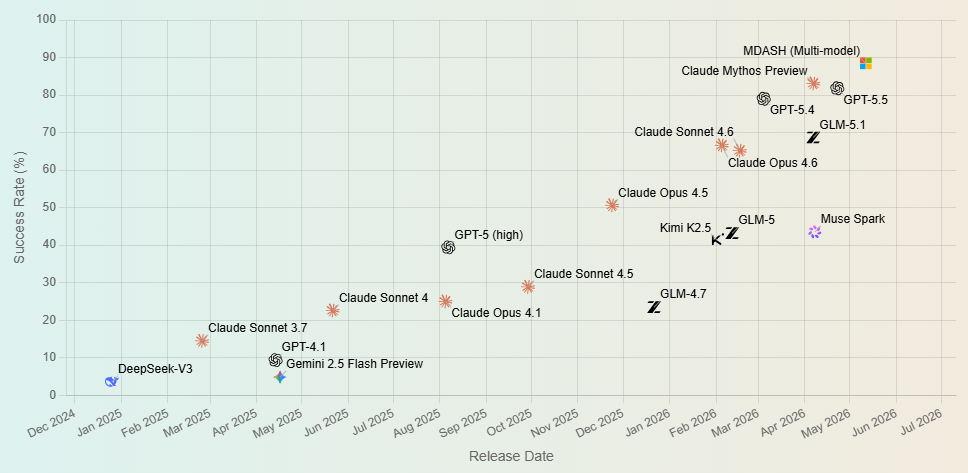
Microsoft cancels Claude Code internal licenses, tops Mythos on cyber benchmark
Microsoft is discontinuing Claude Code for internal developers and pushing them to Copilot CLI — though Anthropic models remain accessible via Copilot CLI alongside OpenAI and internal models. A new Microsoft multi-agent system also beat Anthropic's Mythos on a cybersecurity benchmark, and Edge's standalone Copilot Mode is being retired.
2026-05-16
Microsoft Foundry adds Grok 4.3 with 200k context, Fireworks AI inference, and GA Rust SDK
Microsoft Foundry added xAI's Grok 4.3 with a 200k token context window for agentic workflows, integrated Fireworks AI for open-model inference at scale, GA'd the Azure SDK for Rust, and shipped an AI-powered Contract Price Adjustment Agent built on Docusign MCP.
2026-05-15
LinkedIn to lay off ~5% as Microsoft restructures, open-sources mimalloc
Reuters reports Microsoft-owned LinkedIn will cut about 5% of its workforce and reorganize teams around core-business growth areas. Separately, Microsoft Research open-sourced mimalloc — a ~12K-line drop-in malloc/free replacement with bounded worst-case allocation times and low fragmentation aimed at multi-threaded workloads.
2026-05-14

Microsoft retires Edge Copilot Mode as AI features go everywhere in the browser
Microsoft is sunsetting standalone Copilot Mode in Edge because Copilot is now woven throughout. New features include all-tabs reading, long-term memory, a tab-to-podcast tool, a Study and Learn mode with quizzes, and AI-assisted writing on LinkedIn.
2026-05-14
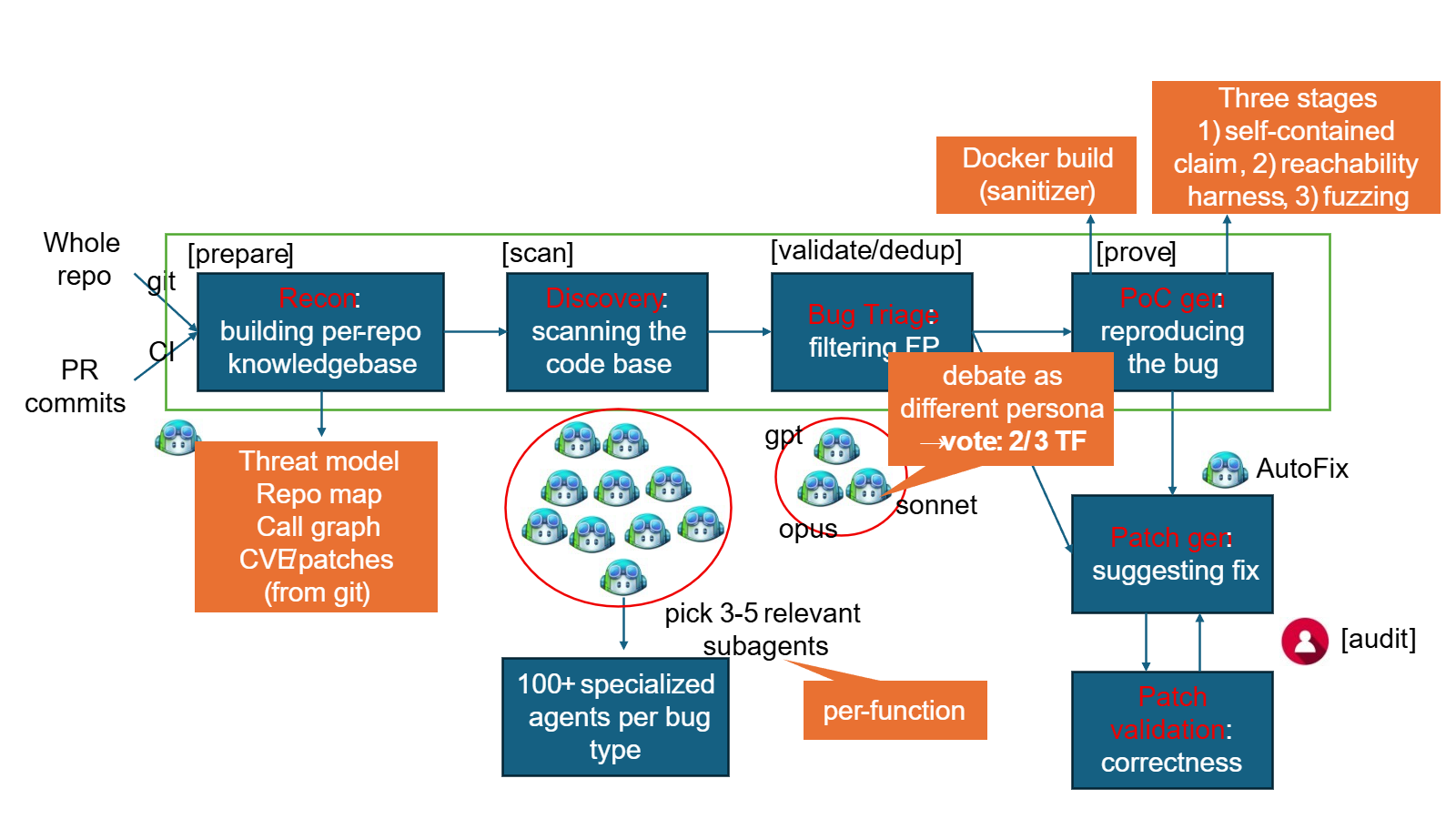
Microsoft MDASH agentic security finds 16 unknown Windows flaws — 4 critical RCEs
Microsoft's new multimodel agentic scanning harness (MDASH), built by its offensive research team, coordinated 100+ specialized agents across frontier and custom models to find 16 previously unknown vulnerabilities in Windows networking and authentication, including four critical RCEs patched in May Patch Tuesday. Satya Nadella said MDASH delivered top performance on the CyberGym benchmark.
2026-05-14

Microsoft ships multi-model agentic security system; Azure update adds GPT realtime
Satya Nadella unveiled a multi-model agentic security system bringing together 100+ specialized agents across frontier and custom models, topping the CyberGym benchmark and helping fix 16 vulnerabilities ahead of Patch Tuesday. Separately, an Azure update added GPT realtime models in Foundry and Cosmos DB spherical quantization.
2026-05-13

Microsoft retires Xbox Gaming Copilot and mobile Copilot; CoreAI staff shift to Xbox
Microsoft will wind down Copilot on mobile and halt Copilot development on Xbox console, with four CoreAI leaders reportedly moving to Xbox. The retreat marks a notable consumer-AI strategy reset even as Microsoft continues to scale Azure-OpenAI and SocialReasoning-Bench research.
2026-05-12
Microsoft kills Xbox Copilot, winds down mobile gaming AI as M365 Copilot prompt-injection CVEs land
New Xbox CEO Asha Sharma confirmed Microsoft has stopped Copilot development on console and is winding down the mobile gaming Copilot beta. Researchers separately disclosed three critical Microsoft 365 Copilot vulnerabilities that could leak emails, documents, and Teams data across trust boundaries via prompt injection.
2026-05-10

Microsoft ships MAI-Transcribe-1, MAI-Voice-1, MAI-Image-2 in Azure AI Foundry; kills Xbox Copilot
Microsoft released three production-grade in-house models in Azure AI Foundry: MAI-Transcribe-1 (25-language STT, 2.5x faster), MAI-Voice-1 (hyper-realistic branded voice), and MAI-Image-2 (campaign-ready images). Eleven NSDI '26 papers detailed Azure's roadmap for AI inference cost, accelerator comms, memory scaling, and programmable security. Separately, new Xbox CEO Asha Sharma killed Copilot for console.
2026-05-10
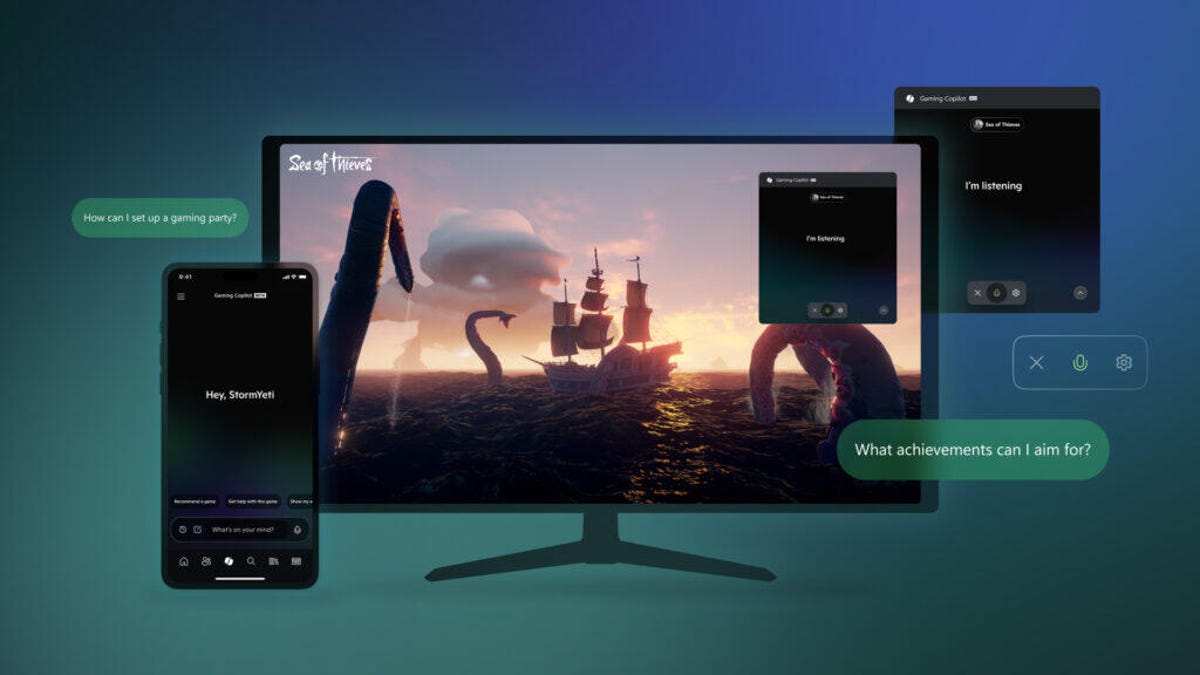
Microsoft kills Copilot on Xbox console; previews M365 Copilot Agent Evaluations CLI
New Xbox CEO Asha Sharma confirmed Microsoft has stopped development of Gaming Copilot on console and will retire the beta-stage feature on mobile, walking back last year's promise to bring Copilot across PC, mobile, and console gaming. Separately, Microsoft launched a public preview of a Microsoft 365 Copilot Agent Evaluations CLI for developers.
2026-05-09
Microsoft kills Xbox Copilot, winds down mobile Copilot under new Xbox CEO Asha Sharma
New Xbox CEO Asha Sharma confirmed Microsoft is halting Copilot development on consoles and winding down Copilot on mobile, saying the company will 'retire features that don't align with where we're headed.' The reversal comes a year after Microsoft loudly committed to bringing Copilot across PC, mobile and console gaming platforms.
2026-05-08

OpenAI launches $10B PE-backed venture to embed software into enterprise operations
OpenAI launched a $10B venture with private-equity partners to embed its software directly into enterprise operations across financial services and healthcare. The deal pairs with the Bedrock distribution announcement and OpenAI's testimony that it expects ~$50B in 2026 compute spending.
2026-05-07
Microsoft Teams moves under Office/LinkedIn chief Roslansky in latest reshuffle
In Microsoft's latest leadership reshuffle, the Teams organization will now report to Ryan Roslansky, who already runs LinkedIn and Office. Roslansky will lead a new combined Work-focused org spanning collaboration and productivity — a notable consolidation of Microsoft's enterprise AI distribution surfaces.
2026-05-06
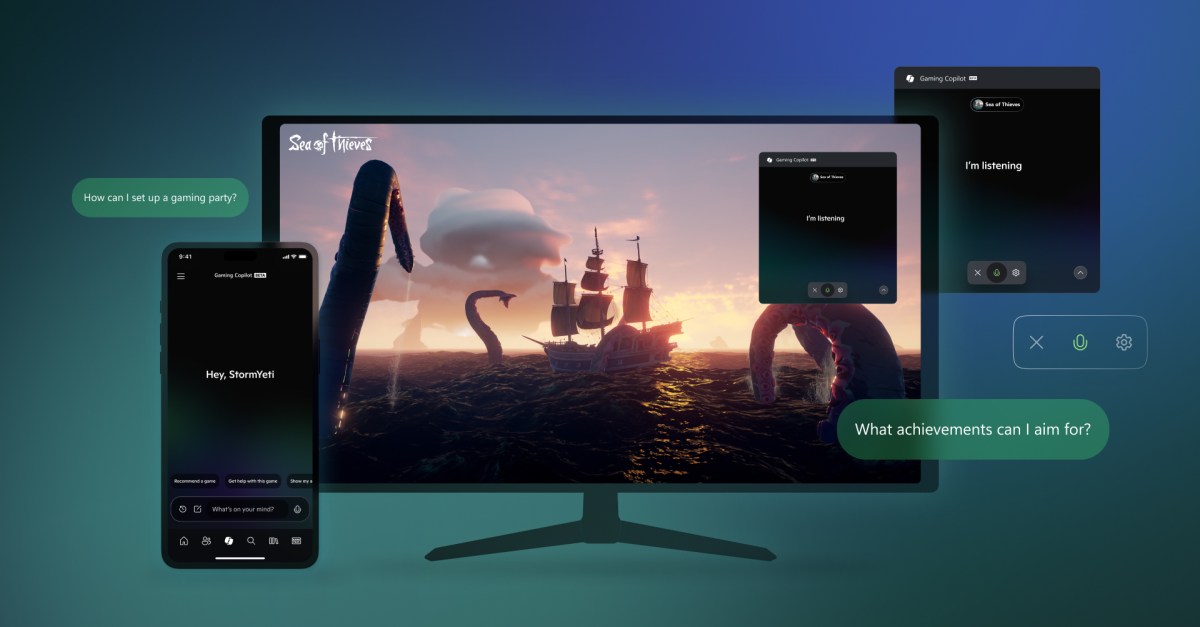
Microsoft winds down Xbox Copilot AI on console and mobile
New Xbox CEO Asha Sharma announced Microsoft is 'winding down Copilot on mobile' and halting Copilot development on console, alongside an Xbox platform reorg that pulls in CoreAI executives. The retreat is a notable scope reduction for one of Microsoft's higher-profile consumer Copilot bets.
2026-05-06

Microsoft Copilot deployed to all 743,000 Accenture employees
Accenture completed one of the largest enterprise AI rollouts to date, deploying Microsoft Copilot across its entire 743,000-employee workforce. The move sets a new ceiling for scaled Copilot adoption while reigniting questions about workforce displacement and how organizations measure productivity gains from AI assistants.
2026-05-05
Microsoft ships MAI-Transcribe-1, MAI-Voice-1, MAI-Image-2 in Azure AI Foundry
Microsoft released three production-ready first-party MAI models: Transcribe-1 (speech-to-text in 25 languages, 2.5x faster), Voice-1 (hyper-realistic branded voice generation), and Image-2 (campaign-ready image generation). All target enterprise marketing and creative workflows.
2026-05-03

Microsoft caught injecting 'Co-Authored-by Copilot' into VS Code Git commits
Microsoft quietly added Copilot co-author trailers to Git commits in Visual Studio Code, even for developers who had disabled all AI features. The discovery sparked a backlash about consent, attribution, and silent telemetry.
2026-05-03
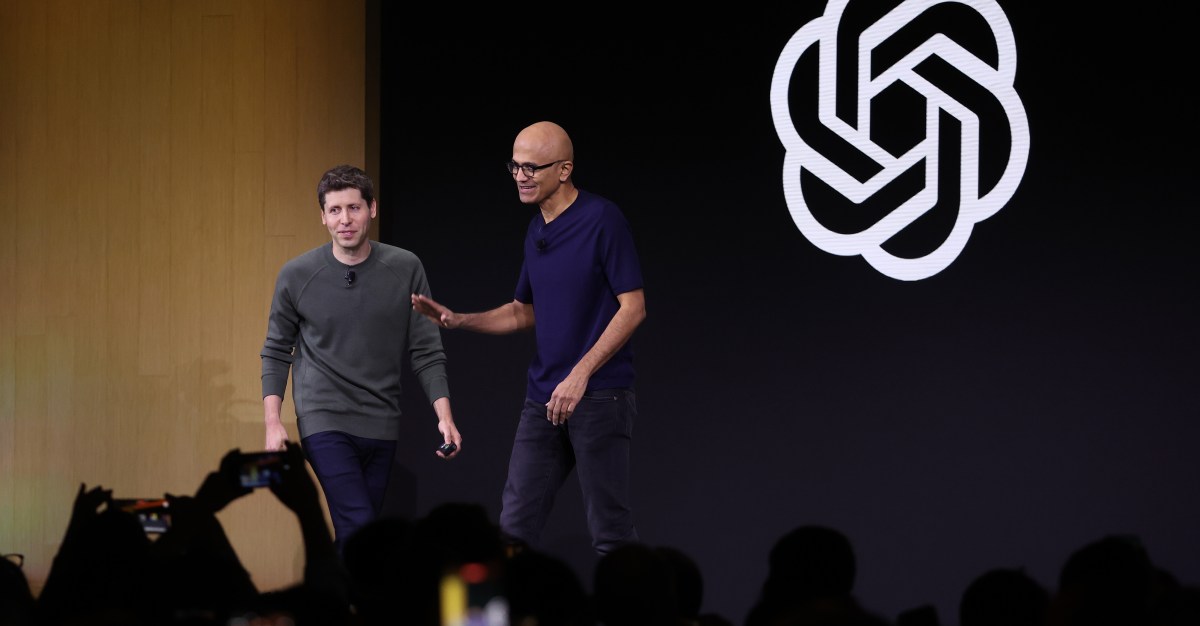
Microsoft–OpenAI deal restructured: free model access through 2032, ~27% stake
Microsoft and OpenAI renegotiated their partnership after Amazon's $50B OpenAI investment, with Microsoft retaining free access to OpenAI models through 2032 and now holding approximately 27% of the company per its 10-Q. Copilot subscribers crossed 20M, and Accenture signed for 740,000+ Copilot licenses — Microsoft's largest deal yet.
2026-05-02
Microsoft Q3: AI hits $37B run rate, Copilot seats reach 20M, Azure grows 40%
Microsoft's AI business surpassed a $37B annual revenue run rate, up 123% YoY, with 365 Copilot seats reaching 20M+ (from 15M in January) and Azure growing 40%. Accenture announced it will roll Copilot out to all 743,000 employees. Microsoft also launched Azure SRE Agent, a Plugin Marketplace, and Foundry Agent Service BYOM support.
2026-04-30
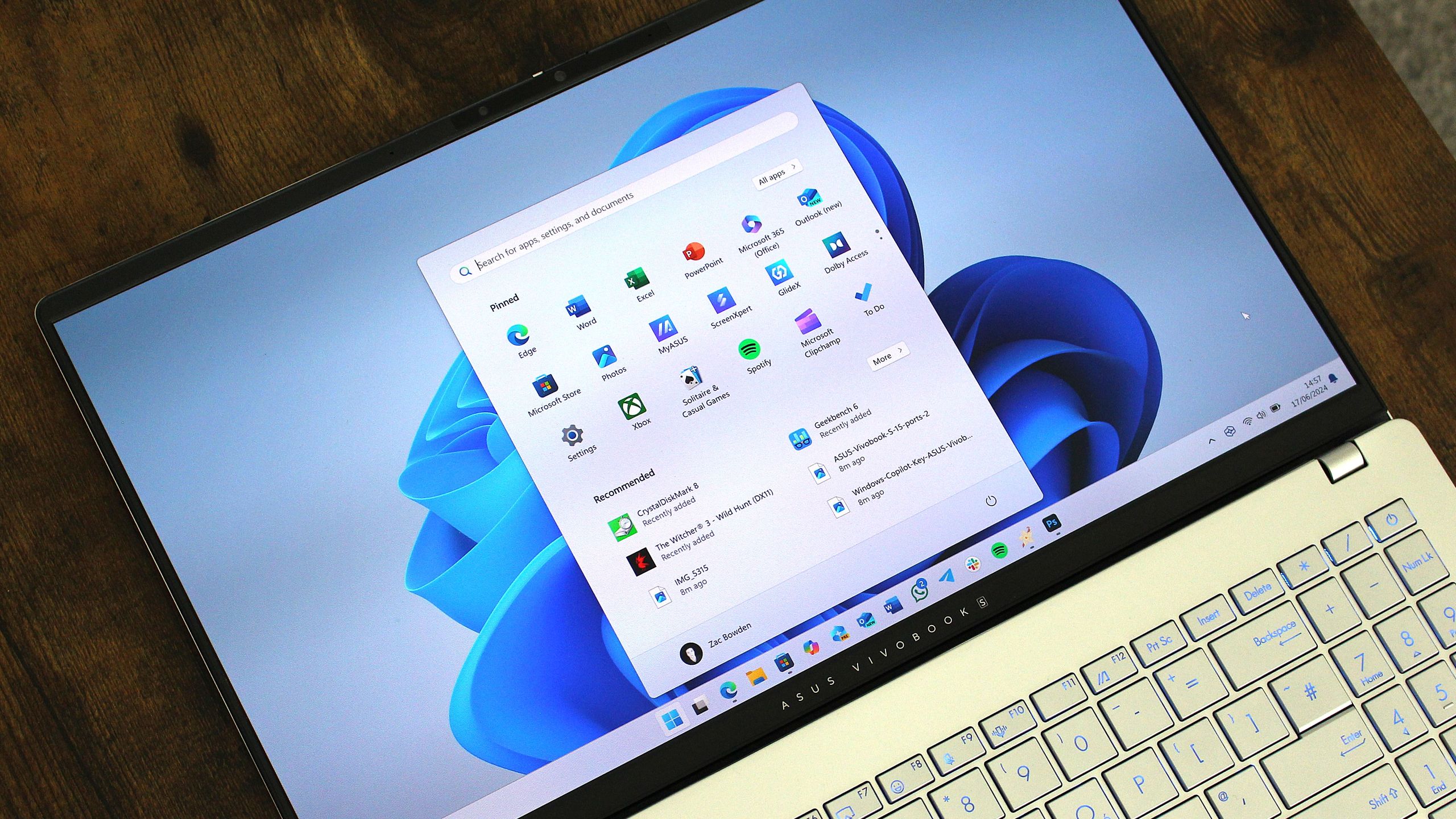
Microsoft eyes Windows K2 to fix Copilot-integration backlash
Microsoft is positioning Windows K2 as a tipping point to overhaul Windows 11, after years of heavy generative-AI/Copilot integration drew widespread user complaints across Windows 11 and Microsoft 365.
2026-04-29
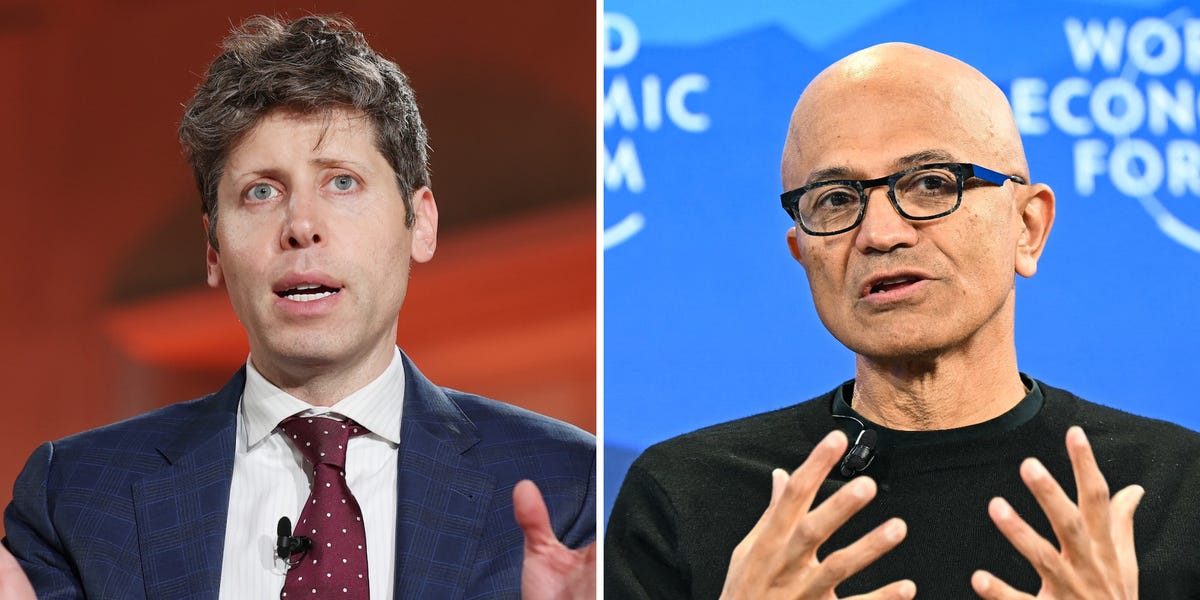
Microsoft–OpenAI alliance restructured: Azure exclusivity ends, revenue share cut
Microsoft and OpenAI mutually unwound the exclusivity terms of their landmark partnership. OpenAI will still ship on Azure first but can now deploy on AWS and Google Cloud when Microsoft can't support a capability, while Microsoft has stopped paying OpenAI a revenue share. Microsoft retains 27% ownership and IP rights through 2032; OpenAI continues paying Microsoft a revenue share through 2030. Sam Altman framed the change on X as Microsoft remaining 'our primary cloud partner' while OpenAI gains the freedom to be multi-cloud.
2026-04-28

GitHub Copilot moves to token-based billing on June 1, 2026
Starting June 1, GitHub Copilot will charge users based on actual token consumption rather than 'premium request' counts, aligning Copilot with the broader industry pricing pattern. The change is expected to materially shift cost dynamics for heavy users and for enterprises piping Copilot into agent-style workflows.
2026-04-28

Microsoft Agent Framework 1.0 ships unified .NET + Python SDK for production agents
Microsoft released Agent Framework 1.0, a unified enterprise-grade SDK for both .NET and Python that bridges research-level orchestration with production stability. The release positions Microsoft for the 'agentic workflows' phase of enterprise AI, complementing Copilot's token-billing pivot and the looser OpenAI partnership.
2026-04-28
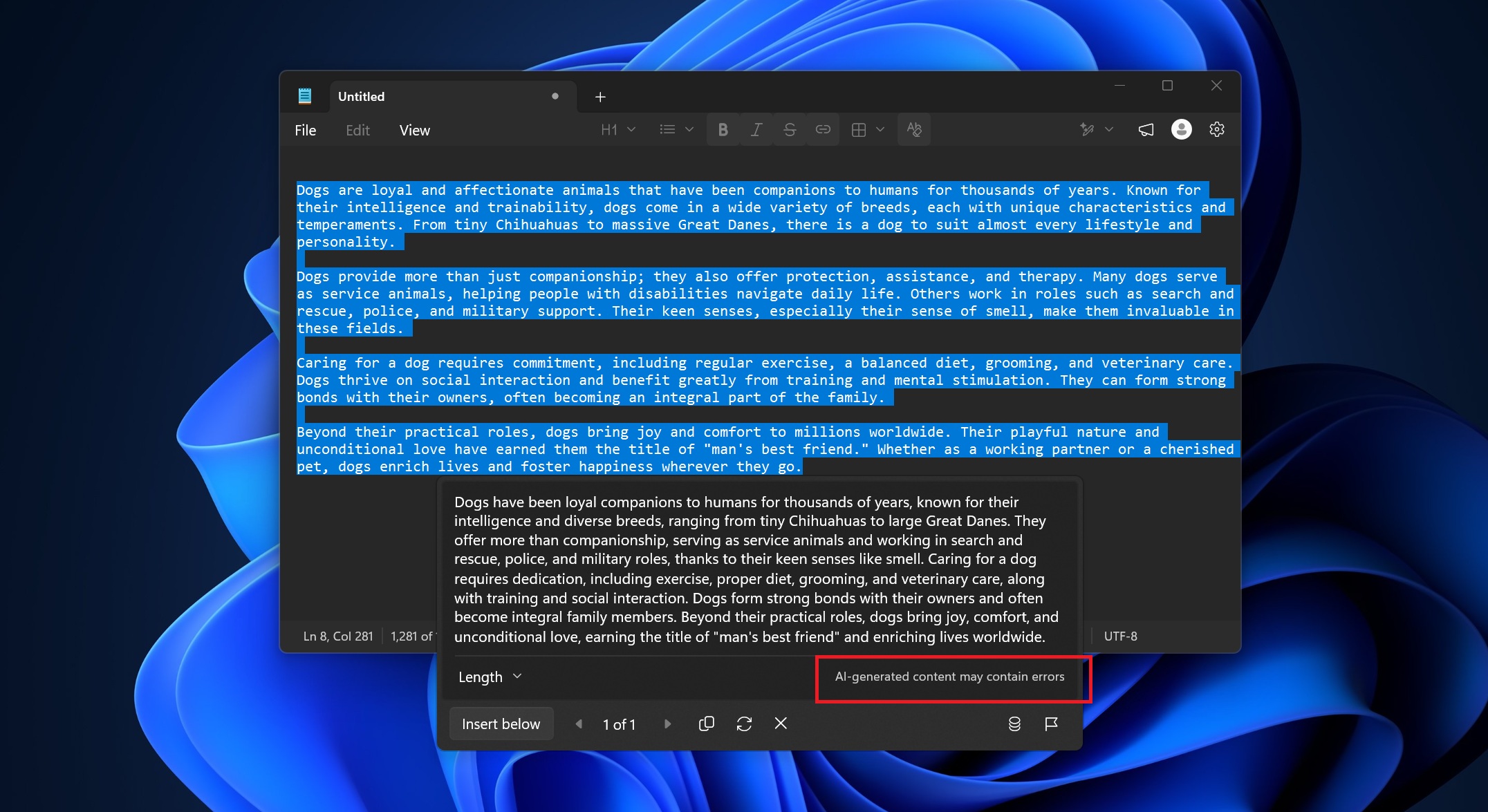
Microsoft drops 'Copilot' branding in Notepad — quiet brand fatigue management
Microsoft is rolling out a Notepad rebrand on Windows 11 (outside Insider Program) replacing 'Copilot' with 'Writing Tools' while keeping the underlying AI functionality intact. The move signals quiet de-emphasis of the Copilot brand even as Microsoft leans into broader GPT-5.5 integration.
2026-04-26

Microsoft launches Copilot agentic features in Office by default and introduces AI Max advertising platform
Microsoft announced Copilot can now take autonomous actions across Word, Excel, and PowerPoint, enabled by default but requiring user activation through prominent prompts. Microsoft also launched 'AI Max' and new 'Offer Highlights' advertising tools designed for the agentic web era, positioning Copilot conversations as a new advertising surface. Azure separately achieved GA for WireGuard In-Transit Encryption for AKS and launched the Foundry Toolkit for Visual Studio Code.
2026-04-25
Microsoft commits $25B to Australia AI infrastructure
Microsoft announced a $25 billion investment in Australia for AI infrastructure, security, and skills. The commitment underpins future Azure AI and Copilot capacity in the region.
2026-04-24
Microsoft Launches AI Foundry Agent Service with Multi-Agent Orchestration
Microsoft announced general availability of Azure AI Foundry Agent Service, enabling developers to build, deploy, and scale multi-agent AI systems using an OpenAI-compatible API. The service supports agent handoffs, shared memory, and tool use across heterogeneous model backends including GPT-4.1, Phi-4, and third-party models, with native integration to Azure Logic Apps and Power Automate.
2026-04-23
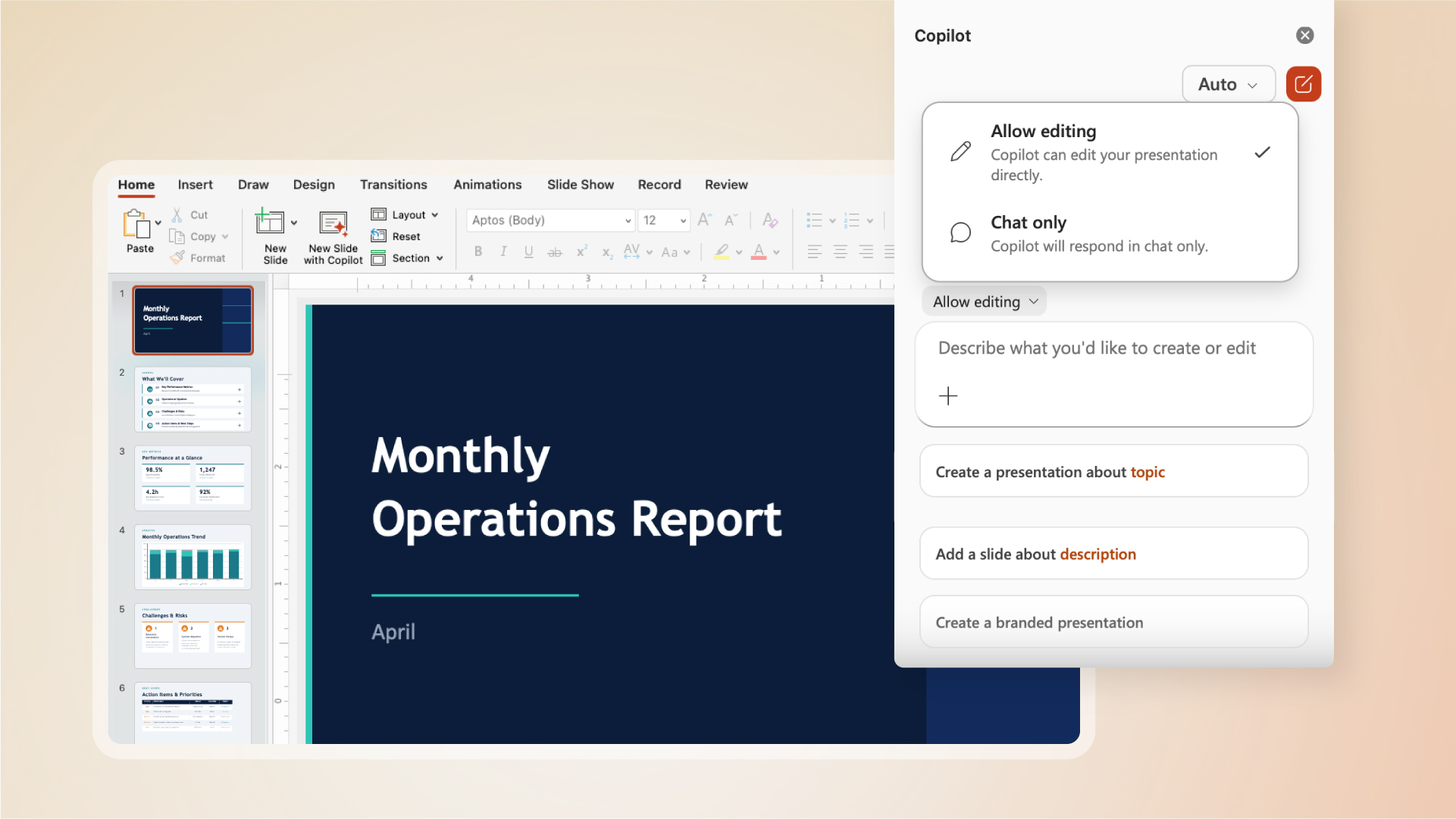
Microsoft Copilot's Agentic Capabilities Now Generally Available in Office Apps
Microsoft's Copilot agentic capabilities in Word, Excel, and PowerPoint have reached general availability, bringing advanced AI automation to core productivity applications. These features enable autonomous task completion and complex workflow automation within familiar Office interfaces, representing a significant evolution in productivity software.
2026-04-23
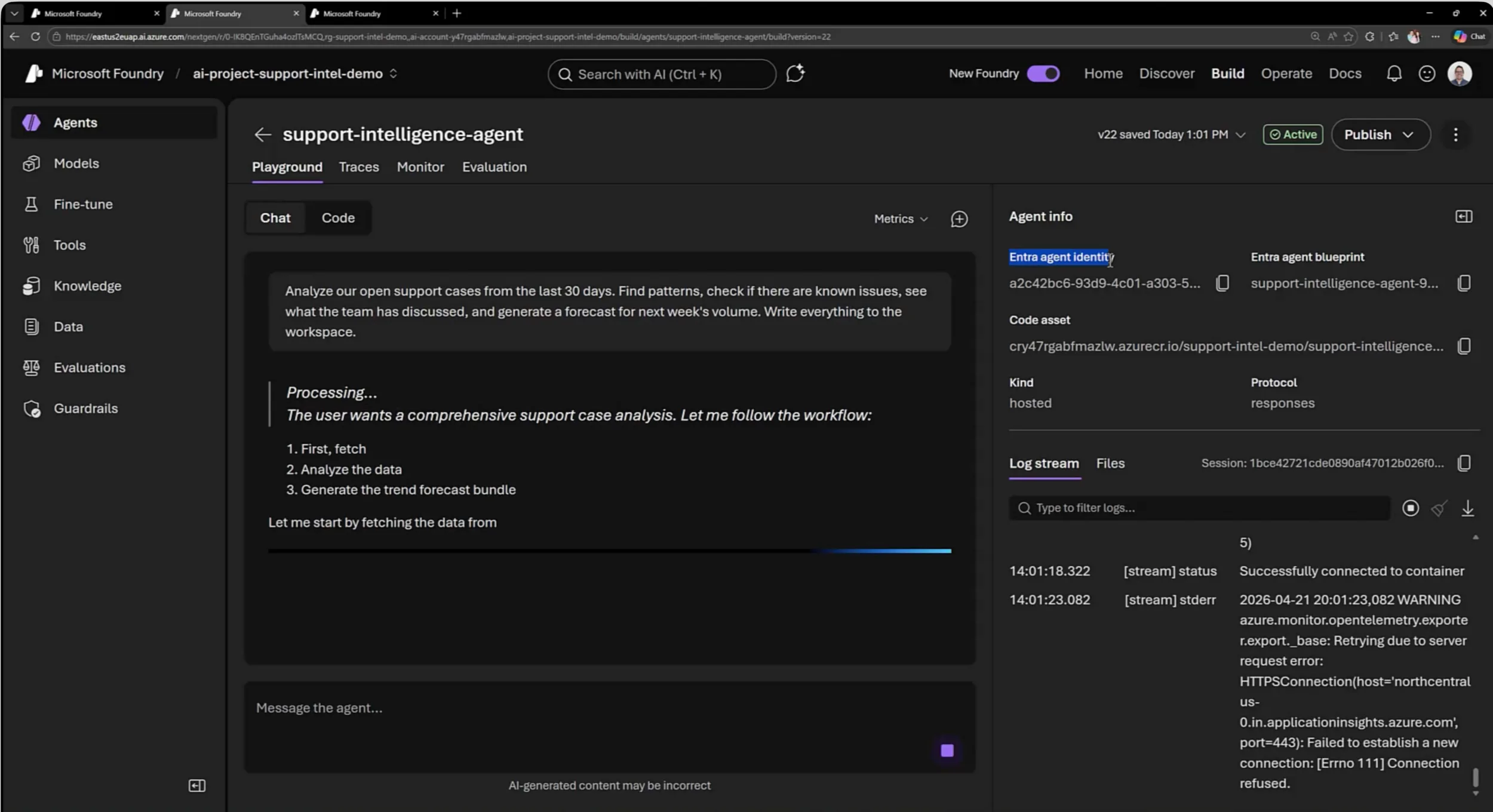
Microsoft Introduces Hosted Agents in Foundry Agent Service for Secure Compute
Microsoft launched hosted agents in Foundry Agent Service, providing secure, scalable compute infrastructure specifically designed for AI agents that access file systems, execute code, and manage infrastructure. The service addresses the unique computational requirements of modern agentic AI systems beyond traditional chatbot applications.
2026-04-23
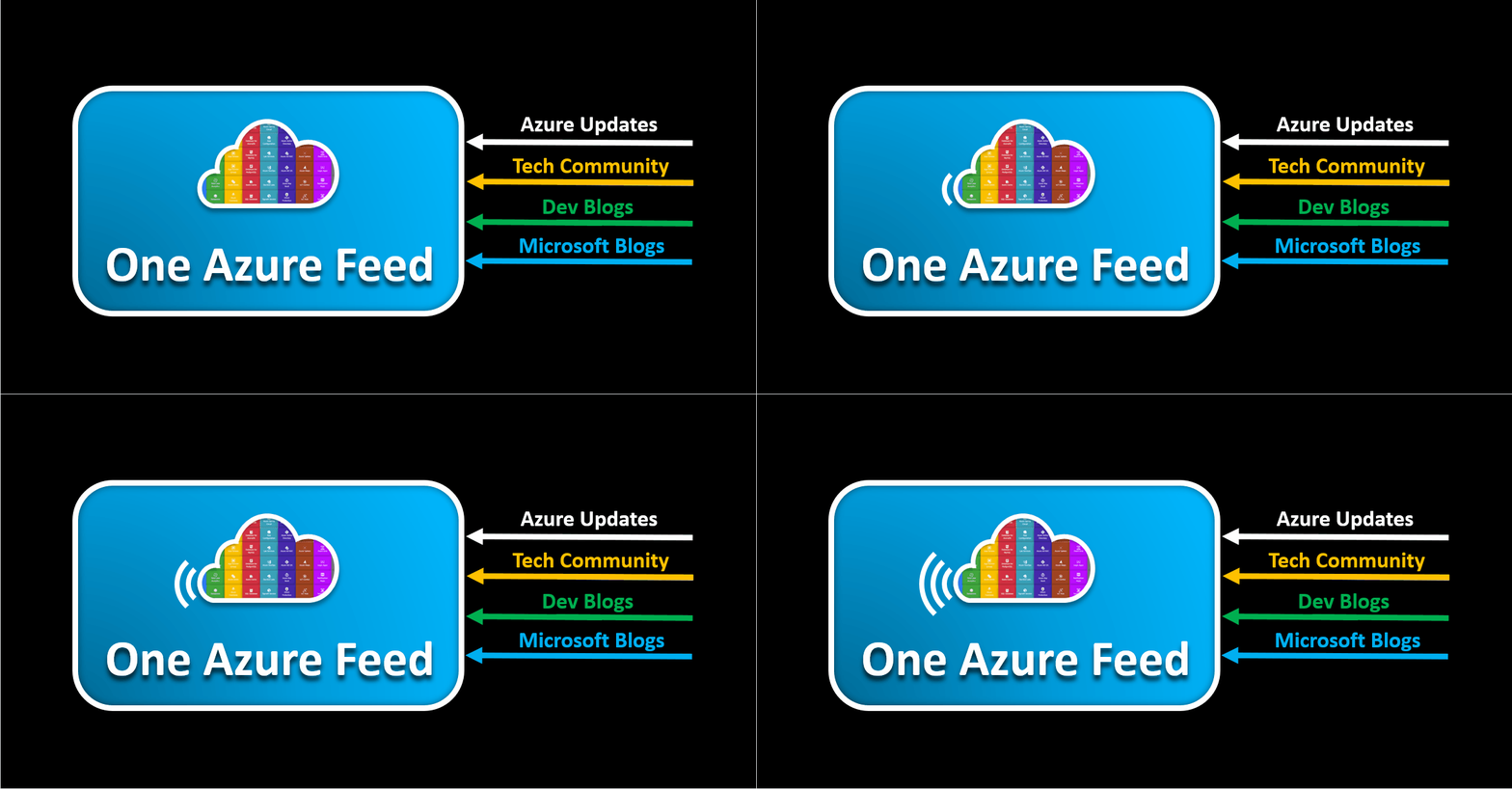
Microsoft Unveils Agentic Fabric with MCP Integration; Monitor Pipeline Reaches GA
Microsoft Azure announced Agentic Fabric, enabling AI-native operating system capabilities through Model Context Protocol (MCP) integration, transforming data platforms into intelligent, context-aware systems. Azure Monitor Pipeline simultaneously reached general availability with secure, scaled ingestion capabilities for enterprise observability workloads, alongside expansions to Belgium Central, Malaysia West, and Indonesia Central regions.
2026-04-22
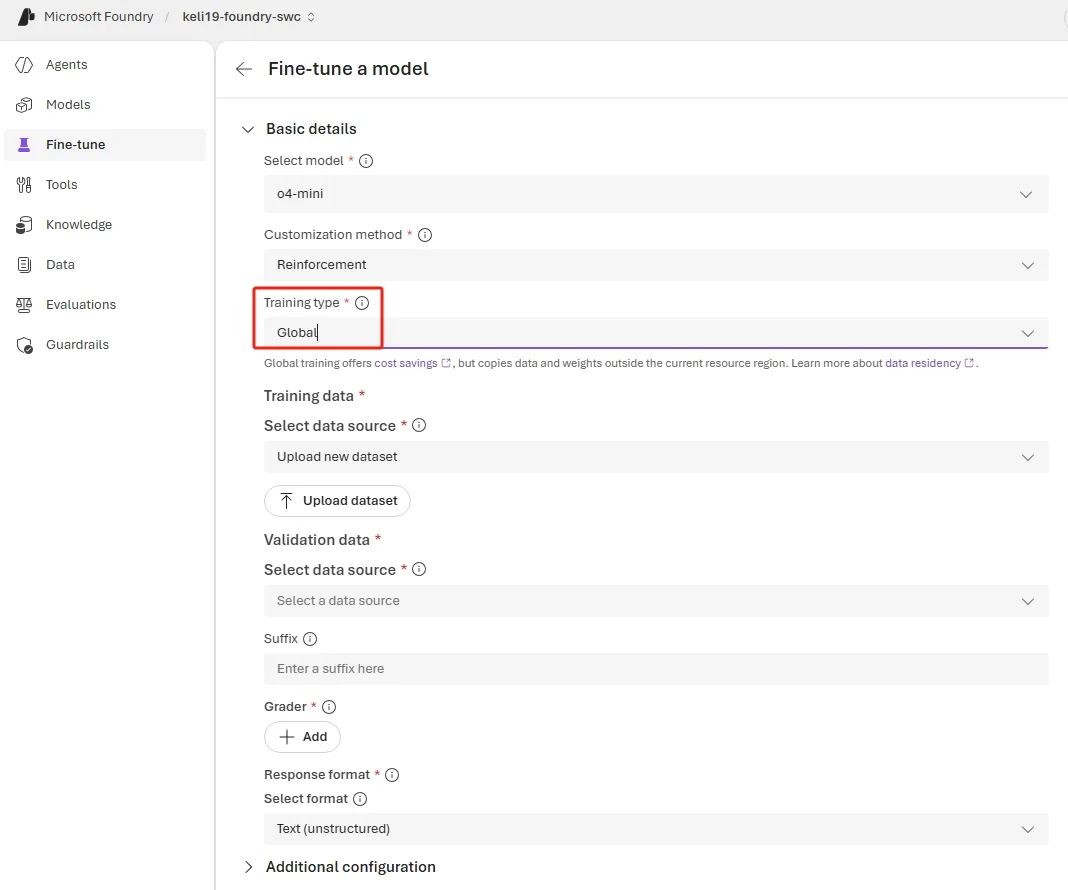
Microsoft Foundry Releases MAI Models and Expands o4-mini Fine-Tuning Globally
Microsoft announced three new proprietary models in Azure Foundry: MAI-Transcribe-1 with 3.9% word error rate across 25 languages, MAI-Voice-1, and MAI-Image-2 ranking #3 on Arena.ai. Foundry Fine-Tuning expanded o4-mini training across 13+ Azure regions with reduced per-token rates.
2026-04-20
Microsoft Develops OpenClaw-Like Autonomous Agents for Enterprise Copilot
Microsoft is testing OpenClaw-style AI agents integrated into Copilot to enable autonomous 24/7 task execution in Microsoft 365 environments. The approach includes enhanced security controls designed to address concerns about the risky open-source OpenClaw agent. Rather than retreating from AI integration after 'microslop' backlash, Microsoft is entering stealth mode, embedding Copilot Cowork—powered by Anthropic's Claude technology—deeper into enterprise tools.
2026-04-14
Azure AI Foundry Introduces Model Router for Automatic Cost-Performance Optimization
Microsoft Azure AI Foundry launched a Model Router feature that automatically selects among deployed models—including GPT-4.1, Phi-4, and Mistral Small—based on developer-defined cost and latency targets per request. Routing decisions use a learned classifier trained on task complexity signals and historical quality scores. The feature is available in preview in East US and West Europe regions with per-request routing metadata returned in API responses.
2026-04-14
Microsoft Quietly Removes Copilot Branding From Windows 11 Apps While Defending AI Utility
Microsoft began removing Copilot branding and icons from key Windows 11 applications including Notepad and Snipping Tool in the latest Insider build, replacing the Copilot menu with 'writing tools' while the underlying AI functionality remains unchanged. The move follows controversy after an internal Microsoft document suggested users should not trust AI for certain tasks, prompting Microsoft to publicly deny that Copilot is intended only for entertainment. The company also restructured its Copilot strategy to blend outputs from multiple AI models rather than relying on a single provider, with OpenAI committing to purchase an additional $250 billion in Azure services.
2026-04-12
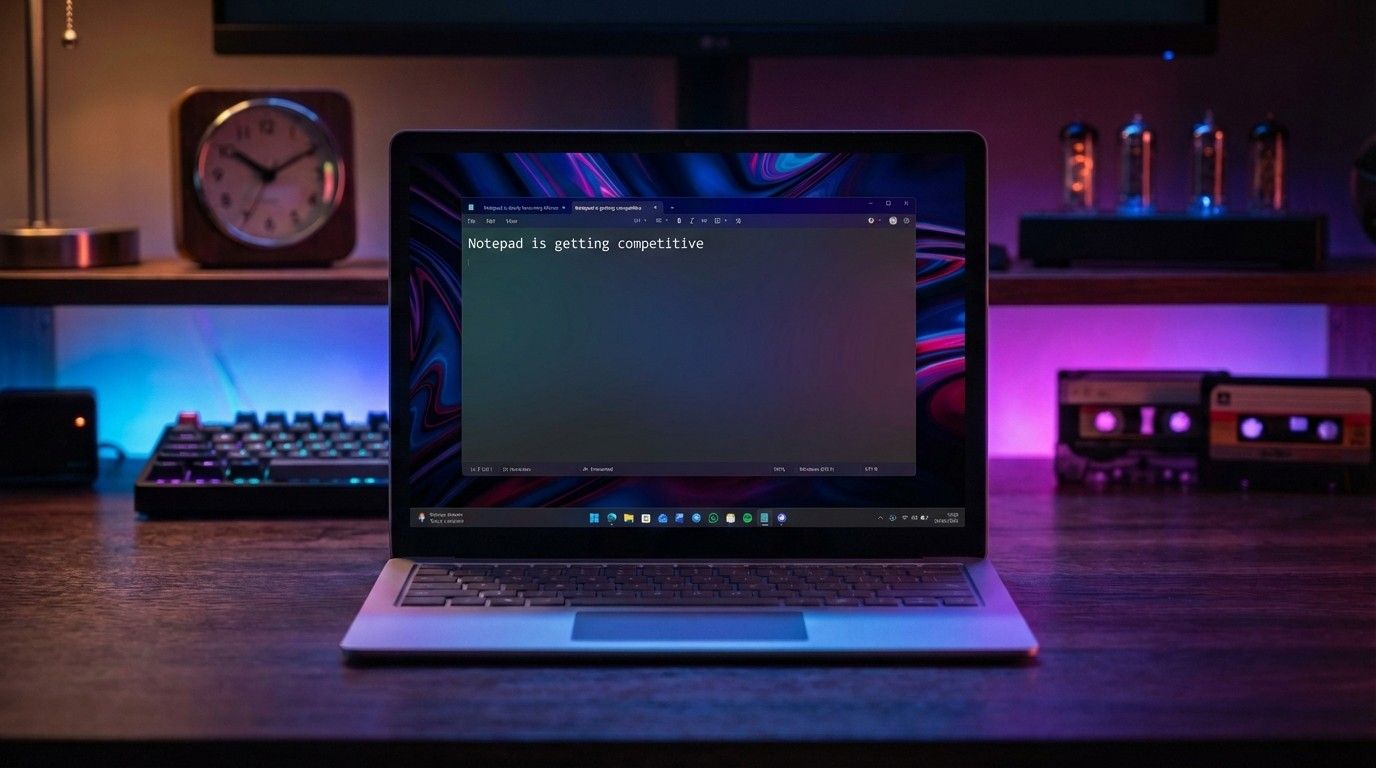
Microsoft Quietly Removes Copilot Branding from Windows 11 Apps While Expanding AI Capabilities
Microsoft began stripping the Copilot name and icon from key Windows 11 applications including Notepad and Snipping Tool, replacing it with generic terms like 'writing tools' while maintaining identical AI functionality. The rebrand is part of a strategy to reduce Copilot branding saturation across the OS, as noted in Windows Insider build 11.2512.28.0. Concurrently, Azure OpenAI Service deployed GPT-Realtime-1.5 and GPT-Audio-1.5 with improved multi-lingual support and tool-calling accuracy, alongside reasoning models o4-mini and o3 for enhanced reasoning workloads. NeuBird AI also raised $19.3M led by Temasek's Xora Innovation for agentic AI in production operations.
2026-04-11

Microsoft Releases Three Proprietary AI Models on Azure to Reduce OpenAI Reliance; Agentic Stack Criticized for Complexity
Microsoft released three in-house AI models — MAI-Transcribe-1 (billed as the most accurate transcription model), MAI-Voice-1 (setting a new standard for natural speech), and MAI-Image-2 — exclusively on its Microsoft Foundry platform within Azure, signaling intent to reduce dependence on OpenAI. Azure AI Foundry also released model distillation pipelines allowing developers to fine-tune smaller models using GPT-4.5 Turbo outputs, targeting cost reduction for high-volume inference, with GitHub Copilot enterprise workflow integration at launch. However, a Forbes analysis found that Microsoft's layered agentic developer stack — spanning Copilot Studio, Azure AI Foundry, and Semantic Kernel — is confusing developers while competitors offer more streamlined APIs, posing a competitive risk. Anthropic also hired Microsoft's Eric Boyd as head of infrastructure.
2026-04-09
Microsoft Launches Three Proprietary AI Models (MAI-Transcribe-1, MAI-Voice-1, MAI-Image-2) via Microsoft Foundry, Challenging OpenAI and Google
Microsoft released three in-house AI models — MAI-Transcribe-1 (speech recognition), MAI-Voice-1 (speech synthesis), and MAI-Image-2 (image generation) — available in public preview exclusively via Microsoft Foundry (formerly Azure AI Studio), signaling a direct push to reduce reliance on OpenAI and compete with Google in foundational model development. The move comes as Microsoft's own Terms of Service describe Copilot as 'entertainment only,' warning against relying on it for important advice — a contradiction with its $30/user/month enterprise pricing that is generating significant backlash from IT buyers. CEO Satya Nadella reportedly assumed direct control over AI product development in September 2025, and Forbes noted that Microsoft's agent development stack is confusing developers compared to simpler offerings from competitors.
2026-04-08

Microsoft Launches Three In-House AI Models, Deploys GPT-5.4 Thinking to Copilot, and Distances Itself from OpenAI Dependence
Microsoft unveiled public preview versions of three proprietary AI models via Microsoft Foundry (formerly Azure AI Studio): MAI-Transcribe-1 for speech recognition, MAI-Voice-1 for speech synthesis, and MAI-Image-2 for text-to-image generation — directly competing with OpenAI and Google offerings. Concurrently, Microsoft began rolling out OpenAI's GPT-5.4 Thinking to Microsoft 365 Copilot users as 'GPT-5.4 Think Deeper,' backed by a reported $250B Azure consumption commitment from OpenAI and a restructured partnership granting Microsoft a 27% equity stake. Despite this, Microsoft updated Copilot's terms of service to warn users to 'use Copilot at your own risk' for 'entertainment purposes only,' reflecting underwhelming Copilot revenue and growing competition from Claude and other rivals, as the company builds toward AI independence following the expiration of its OpenAI model exclusivity in October 2025.
2026-04-07
Microsoft Releases Three In-House MAI Foundational Models, Signaling Growing Independence from OpenAI
Microsoft's MAI Superintelligence team, led by CEO of Microsoft AI Mustafa Suleyman, released three foundational models: MAI-Transcribe-1 (speech recognition), MAI-Voice-1 (speech generation), and MAI-Image-2 (multimodal image generation), all available exclusively on Microsoft Foundry and the MAI Playground. Suleyman noted frontier-class language models are still 1–2 years away, but these releases give Microsoft its own multimodal capabilities independent of its $13B OpenAI partnership. The move is being closely watched by developers as a sign that the OpenAI-Microsoft exclusivity era may be ending, while Azure AI infrastructure costs continue to pressure margins.
2026-04-05
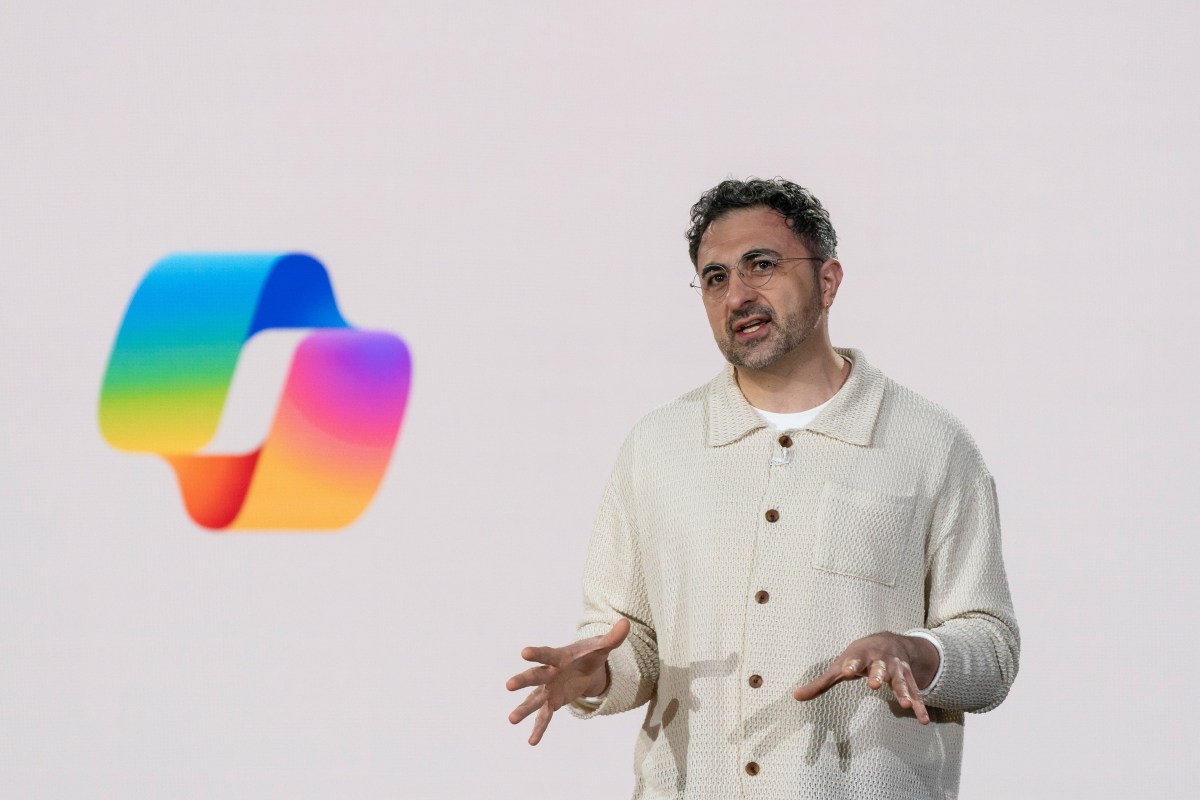
Microsoft Releases Three In-House MAI Foundational AI Models on Azure Foundry, Escalating Competition with OpenAI
Microsoft's MAI Superintelligence team, led by CEO of Microsoft AI Mustafa Suleyman, released three new foundational AI models: MAI-Transcribe-1 (speech recognition), MAI-Voice-1 (speech generation), and MAI-Image-2 (image generation), now available exclusively on Microsoft Foundry and the MAI Playground within Azure AI. The move signals Microsoft's intent to develop frontier models independently, competing directly with offerings from OpenAI and Google while enhancing cost efficiency, performance, and integration across Microsoft products. The release is being interpreted as a significant strategic shift given Microsoft's close partnership with OpenAI, raising questions about the long-term nature of that relationship.
2026-04-04